In the fast-moving rhythm of India's metropolitan life, a small but telling signal often appears: gums that bleed during routine brushing. From Mumbai's high-pressure corporate corridors and Delhi's densely packed residential areas to Bengaluru's innovation hubs, Chennai's traditional family households, and Kolkata's culturally rich neighborhoods, this early warning of gum trouble is becoming uncomfortably common among adults in their 20s, 30s, and 40s. Urban diets heavy in refined sugars, chronic stress, irregular oral care routines, and in some regions persistent tobacco use are quietly driving higher rates of gingivitis and early periodontal concerns.
Yet alongside the problem, a practical and hopeful shift is taking place. More city dwellers are discovering that consistent, evidence-supported habits at home can interrupt the progression of gum disease long before it requires complex treatment. The growing interest in preventive oral care reflects both rising health awareness and the availability of effective, user-friendly tools designed specifically for daily use.
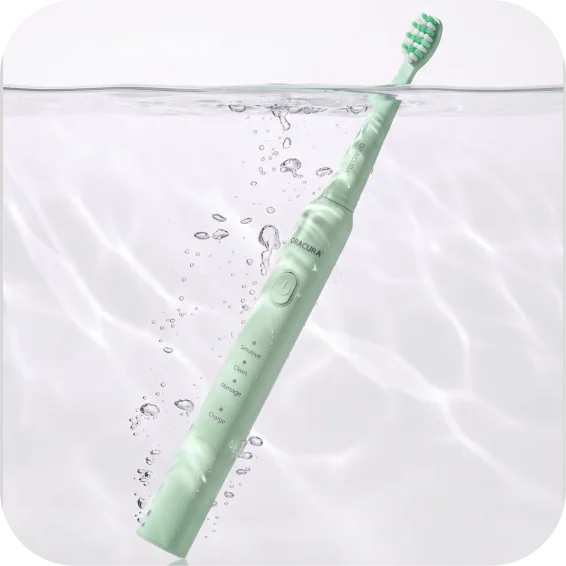
Despite daily brushing, plaque and gum issues silently threaten your smile and confidence. Oracura's dentist-trusted water flossers and sonic toothbrushes offer gentle, deep cleaning crafted for Indian homes. Paired with natural toothpaste, they ensure lasting oral health. Join 200,000+ happy users and transform your dental care for healthier teeth and gums. Shop Now!
Understanding the Scale of Gum Health Challenges in Urban India
Periodontal diseases remain one of the most widespread oral health issues globally. According to the World Dental Federation, they can potentially affect up to 50% of the adult population worldwide. In India, various studies and clinical observations suggest comparable or even higher burden in urban settings, where lifestyle factors intensify the risk.
Mumbai professionals frequently report bleeding gums linked to long hours and hurried meals. Delhi outpatient departments regularly see gum inflammation among the most common complaints. Bengaluru's tech workforce adopts new gadgets quickly but often overlooks thorough interdental cleaning. Community screenings in Chennai continue to identify plaque-induced gingivitis in middle-aged adults, while Kolkata dentists frequently manage periodontal complications worsened by tobacco exposure. These patterns show that gum disease is not merely a personal hygiene matter it is closely tied to the realities of contemporary urban living.
What the Global Oral Irrigator Market Tells Us About Changing Habits
The worldwide oral irrigator market offers a clear window into evolving consumer behavior. Industry analysts have documented steady expansion, driven by greater awareness of preventive oral health and demand for comfortable, effective home-care solutions. Growth has been especially noticeable across the Asia-Pacific region, where rising disposable incomes and population trends support increased adoption of advanced hygiene devices.
Particularly relevant for India is the strong preference for cordless models and home-use applications trends that align closely with the needs of busy urban households. Rather than signaling a sudden boom, the market's trajectory reflects a gradual but meaningful move toward viewing interdental cleaning as an essential daily step rather than an occasional afterthought.
Why Urban Lifestyles Accelerate Early Gum Problems
Several interconnected factors make India's major cities particularly vulnerable:
- Diets rich in refined carbohydrates and frequent snacking create an almost constant supply of plaque-forming sugars.
- Chronic stress and irregular sleep weaken immune responses, allowing inflammation to take hold more easily.
- Time pressure leads many people to shorten or simplify their oral care routine, often skipping interdental cleaning entirely.
- In regions where tobacco use (smoked or smokeless) remains prevalent, periodontal tissues face additional, severe challenges.
When these elements combine with the widespread misconception that “a little bleeding is normal,” early reversible gingivitis frequently progresses unnoticed.
Building a Practical, Effective Home Prevention Routine
Leading dental professionals across India consistently emphasize two foundational practices: correct brushing technique and thorough daily interdental cleaning.
Effective brushing means using a soft-bristled brush (manual or powered), angling bristles toward the gumline, and employing gentle circular or short back-and-forth strokes rather than aggressive scrubbing. Interdental cleaning whether with traditional floss, interdental brushes, or a water flosser removes plaque and debris from areas a toothbrush cannot reliably reach.
Water flossers, which deliver a controlled, pulsating stream of water, have gained particular traction in urban India because they are easy to use, gentle on sensitive gums, and especially helpful for people with braces, bridges, implants, or dexterity limitations. When combined with a sonic electric toothbrush, the two tools create a comprehensive daily system that targets both tooth surfaces and the critical gumline zone.
Addressing the Most Common Hesitations and Misconceptions
Despite growing acceptance, several objections still slow adoption:
| Concern | Reality |
|---|---|
| “I'm fine with just manual brushing.” | Manual brushing alone often misses up to 40% of plaque between teeth and along the gumline. |
| “I've never heard of water flossers.” | They have been a standard recommendation in many dental practices worldwide for decades and are now widely available in India. |
| “Won't electric brush vibrations damage my teeth or gums?” | Modern sonic toothbrushes use high-frequency oscillations designed to be gentler than aggressive manual scrubbing; most quality models include pressure sensors to prevent over-brushing. |
Real-World Benefits Already Visible in Indian Cities
Corporate wellness initiatives in Mumbai have started including oral health education, resulting in participants reporting fewer emergency dental visits and improved daily comfort. Pilot screenings among Bengaluru tech professionals show measurable improvement in plaque scores after introducing sonic brushing and water flossing routines. In Chennai's multi-generational homes, families adopting shared preventive practices observe better oral health across age groups from children to grandparents.
These outcomes translate into practical advantages: reduced long-term dental expenses, fewer clinic appointments for advanced problems, and greater confidence in everyday social and professional interactions.
Looking Ahead: Toward a Prevention-First Oral Health Culture
India's major cities appear to be approaching an important inflection point. Mumbai and Bengaluru continue to lead in technology-supported oral care adoption. Chennai families emphasize routines that benefit entire households. Delhi sees growing public health interest in awareness campaigns. Kolkata focuses on addressing tobacco-related risks alongside general prevention.
Brands such as Oracura, with more than ten years of focused experience in advanced oral care, are well positioned within this transition. By offering dentist-recommended water flossers and sonic electric toothbrushes that combine international-quality engineering, ergonomic design, genuine effectiveness, honest pricing, and reliable after-sales support, they help make consistent home prevention realistic and sustainable for urban Indian families.
The message from both clinical evidence and everyday experience is increasingly consistent: the future of gum health in India's cities will depend far less on reactive dental treatments and far more on what people do or fail to do every morning and night at home. Small, deliberate changes today compound into significantly healthier gums tomorrow.
Frequently Asked Questions
What are the most effective ways to prevent gum disease at home?
The two foundational practices recommended by dental professionals are correct brushing technique and daily interdental cleaning. Use a soft-bristled brush angled toward the gumline with gentle strokes, and pair it with floss, interdental brushes, or a water flosser to remove plaque from areas a toothbrush can't reach. Many users notice reduced gum bleeding within just one to two weeks of following this routine consistently.
Is a water flosser effective for preventing gum disease, and how does it work?
Yes water flossers deliver a controlled, pulsating stream of water that clears plaque and debris from between teeth and along the gumline, making them especially effective for people with braces, bridges, implants, or sensitive gums. Studies and clinical observations show measurable improvements in plaque scores among users who combine a water flosser with a sonic electric toothbrush. They've been a standard dental recommendation globally for decades and are now widely available in India.
Why are urban Indians at higher risk for gum disease, and what can be done about it?
Urban lifestyles contribute significantly to gum disease risk diets high in refined sugars, chronic stress, poor sleep, and time pressure that leads people to skip interdental cleaning all accelerate the development of gingivitis and early periodontal disease. Tobacco use in certain regions further worsens periodontal health. The good news is that consistent, evidence-backed home care habits can interrupt gum disease progression long before it requires complex dental treatment.
Disclaimer: The above helpful resources content contains personal opinions and experiences. The information provided is for general knowledge and does not constitute professional advice.
You may also be interested in: Effective Treatment Methods for Black Gums - Oracura
Despite daily brushing, plaque and gum issues silently threaten your smile and confidence. Oracura's dentist-trusted water flossers and sonic toothbrushes offer gentle, deep cleaning crafted for Indian homes. Paired with natural toothpaste, they ensure lasting oral health. Join 200,000+ happy users and transform your dental care for healthier teeth and gums. Shop Now!
Powered by flareAI.co