In the fast-moving urban centers of Mumbai , Delhi , Bengaluru , Chennai , and Kolkata , daily life often revolves around quick meals from street vendors, late office hours, and sugary chai breaks. These habits make it easy for plaque to build up and gums to become irritated. Yet dentists practicing in these cities continue to stress one unchanging truth: a consistent, well-executed daily oral care routine remains the single most powerful way to protect teeth and gums from decay, inflammation, and premature loss.
This guide examines the daily oral care routine recommended by dentists and explains how city dwellers across India's major metros can realistically adopt it for lasting results.
Despite daily brushing, plaque and gum issues silently threaten your smile and confidence. Oracura's dentist-trusted water flossers and sonic toothbrushes offer gentle, deep cleaning crafted for Indian homes. Paired with natural toothpaste, they ensure lasting oral health. Join 200,000+ happy users and transform your dental care for healthier teeth and gums. Shop Now!
Why Daily Consistency Matters So Much in Urban India
Oral health problems remain widespread in densely populated Indian cities. The World Health Organization's Oral Health Country Profile for India (2022) reports that untreated dental caries affects roughly 28.8% of individuals aged five and older, while severe periodontal disease is present in about 21.8% of people aged fifteen and above. These numbers reflect what many dentists in Mumbai and Delhi see every day: preventable damage caused by irregular brushing, frequent snacking, and limited time for proper hygiene.
In Bengaluru, Chennai, and Kolkata clinics report similar patterns. Busy professionals and students frequently skip nighttime brushing or rush through morning routines. Over time, small lapses allow bacteria to thrive, leading to cavities, bleeding gums, and bad breath. Establishing a structured routine early helps interrupt that cycle and supports overall health, since poor oral conditions are increasingly linked to systemic issues such as diabetes and heart disease risk.
The Foundation: Brushing Correctly, Twice a Day
Every credible dentist recommendation begins here: brush your teeth twice daily once after breakfast and once before sleep for a full two minutes each session. Choose a soft-bristled toothbrush and a fluoride toothpaste approved by dental authorities. Angle the brush at 45 degrees toward the gumline and use short, gentle circular strokes rather than aggressive back-and-forth scrubbing.
Many people in metros like Chennai and Kolkata finish in under a minute, leaving large areas untouched. Cleaning the tongue with the brush or a dedicated scraper also reduces bacteria that cause morning breath, a complaint heard often in humid coastal cities.
Interdental Cleaning: The Step Most People Skip
Standard brushing cleans only the front, back, and chewing surfaces roughly 60% of each tooth. The tight spaces between teeth and along the gumline remain vulnerable unless cleaned separately every day. Traditional dental floss works well when used correctly, but many urban Indians find it time-consuming or awkward.
That is where water flossers have become increasingly popular among patients in Bengaluru and Mumbai. These devices direct a targeted stream of water to flush out debris and reduce plaque in areas the brush cannot reach. Clinical studies frequently cited by Indian periodontists show water flossing removes more interdental plaque than string floss for the average user, especially those with braces, bridges, or crowded teeth.
Finishing with Mouthwash and Hydration
After brushing and interdental cleaning, an antimicrobial or fluoride mouthwash adds another layer of protection. It reaches crevices brushing misses, helps control bacteria, and leaves breath noticeably fresher. Alcohol-free formulas are kinder to the mouth and prevent the dry feeling some people dislike.
Drinking plenty of water throughout the day also matters. In dry inland cities like Delhi, dehydration concentrates oral bacteria, so sipping water regularly helps wash away food particles and neutralize acids.
Rising Interest in Advanced Home-Care Tools
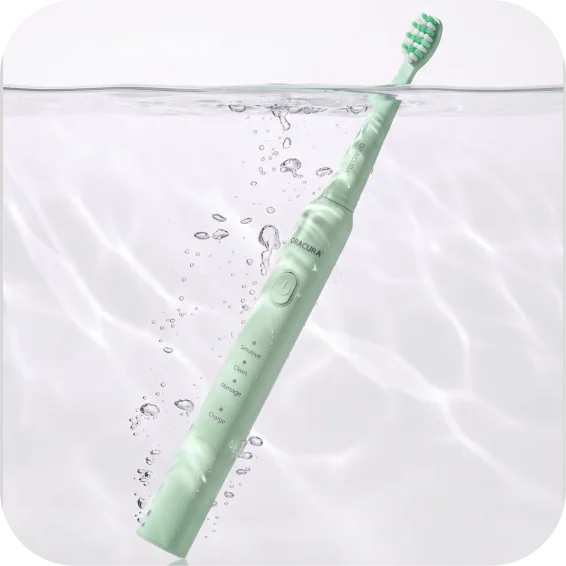
Dental professionals in India's major cities increasingly recommend powered devices to make routines more effective without extra effort. Sonic electric toothbrushes deliver thousands of vibrations per minute, removing plaque more thoroughly than manual brushing while applying consistent pressure that protects enamel and gums.
Modern models include built-in timers and pressure sensors, addressing the common worry that vibrations could harm teeth. When used as directed, they are gentle even on sensitive gums a frequent concern raised in Chennai and Kolkata consultations. Water flossers complement electric brushes, creating a complete at-home system that rivals professional cleaning for daily maintenance.
Overcoming the Most Common Hesitations
Several objections surface repeatedly in dental chairs across urban India:
- “I'm satisfied with my manual toothbrush.” → Manual brushing can be effective, but most people do not achieve the same plaque reduction that powered brushes provide in the same amount of time.
- “I've never heard of water flossers before.” → Awareness is growing rapidly; many dentists now introduce them as a practical upgrade for anyone who struggles with traditional flossing.
- “Won't electric brush vibrations wear down my teeth or damage gums?” → Quality models with smart sensors stop or reduce power if too much pressure is applied, making them safer than aggressive manual scrubbing.
Time scarcity remains the biggest barrier in high-pressure cities like Delhi and Bengaluru. The solution is to start small add one new habit at a time until the full routine feels automatic.
Real Benefits You Can Expect
Patients who follow a complete routine report noticeable improvements within weeks: less plaque accumulation, firmer gums, reduced bleeding during brushing, and fresher breath that lasts longer. These changes lower the likelihood of needing fillings, root canals, or deep cleanings, saving both time and expense.
Advanced tools are now widely available on trusted Indian platforms including Amazon.in, Flipkart.com, Blinkit.com, and dentalkart.com, making high-quality options accessible even in Tier-1 cities. Brands that emphasize genuine products, clear instructions, and responsive after-sales support help first-time users build confidence quickly.
Looking Ahead: Small Habits, Lifelong Rewards
Dentists practicing in Mumbai, Delhi, Bengaluru, Chennai, and Kolkata agree on the essentials: brush thoroughly twice a day, clean between teeth daily, rinse when possible, and consider tools that make the process easier and more effective. Consistency matters far more than occasional perfection.
Start tonight with the basics. Add one improvement each week perhaps a two-minute timer first, then interdental cleaning, then an electric brush or water flosser. The investment is modest, but the payoff is a healthier mouth and greater confidence in social and professional settings. For tailored guidance, speak with your local dentist. Your future smile will thank you.
Frequently Asked Questions
What is the daily oral care routine recommended by dentists?
Dentists recommend brushing twice a day (after breakfast and before bed) for two full minutes using a soft-bristled toothbrush and fluoride toothpaste. This should be followed by daily interdental cleaning with either traditional floss or a water flosser, and rinsing with an antimicrobial or fluoride mouthwash. Staying well-hydrated throughout the day also helps neutralize acids and wash away food particles.
Are water flossers better than traditional floss for removing plaque?
Water flossers use a targeted stream of water to flush out debris from between teeth and along the gumline, and clinical studies show they can remove more interdental plaque than string floss for the average user. They are especially beneficial for people with braces, bridges, or crowded teeth who find traditional flossing difficult. Many dentists in Indian cities like Bengaluru and Mumbai now recommend them as a practical, time-saving upgrade to the daily routine.
Is an electric toothbrush better than a manual one for oral health?
Sonic electric toothbrushes deliver thousands of vibrations per minute, providing more thorough plaque removal than manual brushing in the same amount of time. Modern models come with built-in timers and pressure sensors that prevent over-brushing, making them safe even for sensitive gums. While a manual brush can be effective if used correctly, most people achieve better results more consistently with a powered brush.
Disclaimer: The above helpful resources content contains personal opinions and experiences. The information provided is for general knowledge and does not constitute professional advice.
You may also be interested in: Questions To Ask During Your Next Teeth Cleaning - Oracura
Despite daily brushing, plaque and gum issues silently threaten your smile and confidence. Oracura's dentist-trusted water flossers and sonic toothbrushes offer gentle, deep cleaning crafted for Indian homes. Paired with natural toothpaste, they ensure lasting oral health. Join 200,000+ happy users and transform your dental care for healthier teeth and gums. Shop Now!
Powered by flareAI.co