Quick Listen:
Most people approach brushing their teeth as a quick daily habit aimed at fresh breath and a brighter smile. Yet the mouth serves as a vital gateway to the rest of the body, where bacteria and inflammation can spread and influence broader health. Poor oral hygiene goes beyond causing cavities or irritated gums. It can quietly contribute to increased risks for heart disease, challenges in managing blood sugar, and shifts in immune function. Delving into How Oral Hygiene Affects Overall Wellness uncovers research-backed connections that encourage a fresh look at that short routine at the sink each morning and night.
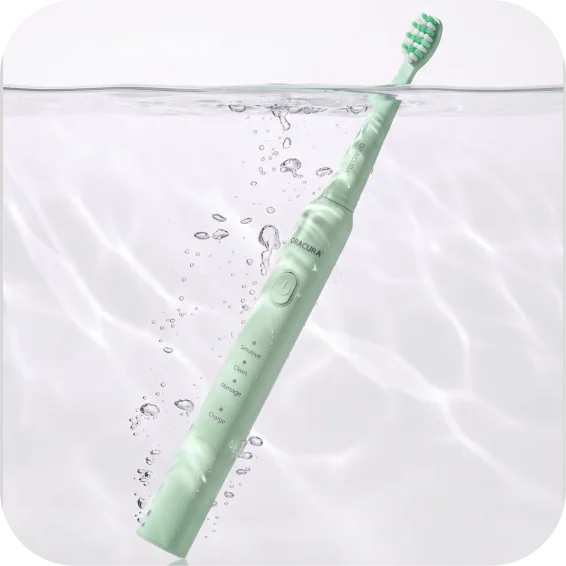
Despite daily brushing, plaque and gum issues silently threaten your smile and confidence. Oracura's dentist-trusted water flossers and sonic toothbrushes offer gentle, deep cleaning crafted for Indian homes. Paired with natural toothpaste, they ensure lasting oral health. Join 200,000+ happy users and transform your dental care for healthier teeth and gums. Shop Now!
The Mouth-Body Connection: More Than Meets the Eye
The mouth is far from an isolated space. It acts as an entry point through which bacteria and ongoing inflammation may enter the bloodstream or spark immune responses in distant areas. Researchers have repeatedly linked untreated gum problems to elevated risks of cardiovascular issues and greater difficulties controlling diabetes. This relationship feels tangible rather than theoretical. Daily plaque that builds up unchecked fuels low-grade inflammation capable of affecting arteries, joints, and organs well beyond the teeth.
The interplay runs both directions. Conditions such as diabetes can intensify gum disease, while consistent oral care routines often aid in better managing those same systemic challenges. The body registers and responds to the state of the mouth with remarkable precision.
What the Research Actually Shows
Years of scientific investigation have elevated oral health from a peripheral concern to a central element of overall wellness. Periodontal inflammation shows ties to dysfunction in blood vessel linings, a known contributor to heart disease. Parallel patterns appear in respiratory health, where oral bacteria may reach the lungs through aspiration, particularly among those already at higher risk. Associations also extend to pregnancy outcomes and aspects of cognitive health in later years when oral hygiene remains consistent.
These insights stop short of suggesting that brushing alone wards off major diseases. They instead position daily oral care as one practical, adjustable factor within a wider strategy for prevention. Modest efforts repeated over time build meaningful support for the body's defenses.
Why Traditional Routines Sometimes Fall Short
Brushing twice daily stays foundational, yet many discover that string floss struggles to reach every hidden area between teeth and beneath the gumline. Tight spaces, braces, implants, or demanding schedules can turn complete cleaning into a frustrating challenge. Plaque then lingers, inflammation grows, and the effects on the body accumulate without much notice.
Individuals frequently describe ongoing issues with bleeding gums or lingering bad breath even after careful brushing. These signals often highlight spots that conventional tools reach only partially, leaving a noticeable gap between intention and actual results.
Water Flossers Step Into the Spotlight
Water flossers, also called oral irrigators, bring a modern solution. These devices direct a gentle, pulsating stream of water to clear debris and gently stimulate gums. They deliver easier and more complete cleaning for many people, especially those facing dexterity limitations or wearing orthodontic appliances. Their rising popularity mirrors a larger movement toward preventive tools designed for everyday realities.
Market interest underscores this shift. Growing numbers of people are turning to such technology to strengthen routine care and, in doing so, contribute to their broader sense of wellness. Users commonly report reduced bleeding, noticeably fresher breath, and an overall cleaner sensation within weeks of regular use. The availability of both countertop and portable cordless options helps remove everyday obstacles, transforming an irregular chore into a reliable habit.
Building Habits That Deliver Real Results
Consistency matters more than perfection in oral care. A straightforward morning and evening sequence that combines brushing, interdental cleaning, and gentle tongue care can produce significant improvements. Incorporating a water flosser enhances this sequence without adding unnecessary steps. Over time, many describe the practice as almost automatic and quietly rewarding.
- Select a soft-bristled toothbrush and replace it every three months for optimal performance.
- Combine brushing with daily interdental cleaning using string floss or a water flosser.
- Add an antimicrobial rinse occasionally when extra gum support is beneficial.
- Arrange professional dental cleanings at least twice each year to address hidden concerns early.
- Maintain good hydration while limiting frequent intake of sugary or acidic items.
These adjustments require no major lifestyle overhaul. They simply address the spaces where bacteria tend to gather and persist.
Practical Tips for Long-Term Success
Start small by adding one new element, such as water flossing, to an existing routine. Track subtle changes like reduced gum sensitivity or improved breath confidence. These real-world signs often reinforce the habit more effectively than abstract statistics. Pairing oral care with other healthy behaviors, such as balanced eating and regular movement, creates reinforcing cycles that benefit the entire system.
Clearing Up Common Misconceptions
A stubborn belief persists that bleeding gums represent a normal or minor issue. In practice, they frequently indicate inflammation that warrants attention and consistent action. Another common assumption suggests that mouthwash can fully substitute for mechanical cleaning. Rinses provide helpful support, yet they cannot physically dislodge plaque the way targeted brushing and interdental methods do.
Some view oral health primarily through the lens of appearance. Research paints a fuller picture: the mouth exerts influence on systemic inflammation that can shape daily energy, recovery from illness, and sustained vitality over the years. Overlooking these connections means passing up a straightforward opportunity to strengthen overall health.
Looking Forward: Small Changes, Big Impact
Oral hygiene has evolved beyond simply preventing dental visits . It represents a daily commitment to building resilience across the body. As studies continue to clarify these links, accessible tools and straightforward habits make it simpler to put the knowledge into practice. Whether relying on time-tested methods or embracing modern options like water flossers, the direction remains consistent: attentive care for the mouth yields benefits that extend throughout the body.
The next time you pause in front of the mirror, consider how those brief minutes reach far past cosmetic concerns. They quietly nurture the complex networks that support movement, clarity of thought, and a sense of well-being. A healthier mouth stands as one of wellness's most reliable and understated foundations.
Frequently Asked Questions
How does poor oral hygiene affect heart health and overall body wellness?
Poor oral hygiene allows plaque to build up, fueling low-grade inflammation that can enter the bloodstream and affect arteries, joints, and organs beyond the mouth. Research has linked periodontal inflammation to dysfunction in blood vessel linings, a known contributor to heart disease. Daily oral care brushing, flossing, and interdental cleaning is considered one practical, adjustable factor within a broader strategy for disease prevention.
Can a water flosser improve gum health better than regular string floss?
Water flossers use a gentle, pulsating stream of water to clear debris and stimulate gums in areas that string floss often can't reach, such as tight spaces, beneath the gumline, or around braces and implants. Many users report reduced gum bleeding, fresher breath, and a noticeably cleaner feeling within weeks of regular use. For those with dexterity limitations or busy schedules, both countertop and portable cordless models make consistent oral care more achievable.
Why do gums bleed when brushing, and is it a sign of a serious problem?
Bleeding gums are commonly mistaken for a minor or normal issue, but they frequently signal inflammation that needs consistent attention. This inflammation is linked to systemic effects including increased difficulty managing blood sugar in diabetics and potential impacts on respiratory health and cognitive function over time. Addressing the root cause through regular brushing, interdental cleaning, and twice-yearly professional dental visits can meaningfully reduce both gum inflammation and its broader health risks.
Disclaimer: The above helpful resources content contains personal opinions and experiences. The information provided is for general knowledge and does not constitute professional advice.
You may also be interested in: Oral Hygiene Linked to Cancer Risk in Recent Research - Oracura
Despite daily brushing, plaque and gum issues silently threaten your smile and confidence. Oracura's dentist-trusted water flossers and sonic toothbrushes offer gentle, deep cleaning crafted for Indian homes. Paired with natural toothpaste, they ensure lasting oral health. Join 200,000+ happy users and transform your dental care for healthier teeth and gums. Shop Now!
Powered by flareAI.co