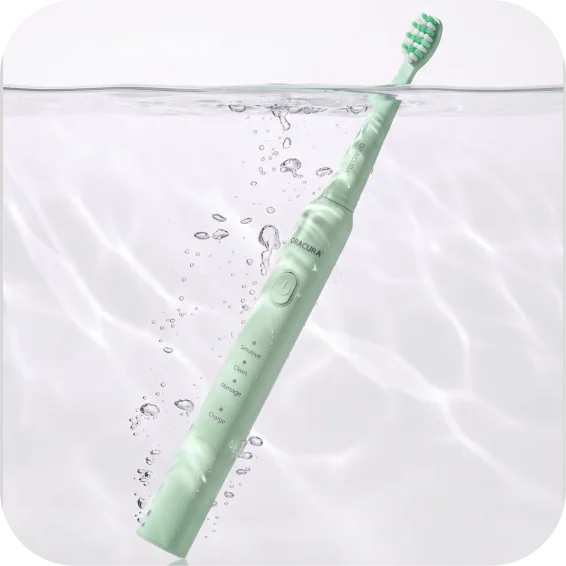
In the vibrant chaos of Mumbai's morning rush, where families juggle steaming cups of chai and school backpacks, a subtle shift is reshaping daily routines. Electric toothbrushes and water flossers are replacing traditional tools, promising cleaner teeth and healthier gums with less effort. Yet, in homes bustling with multiple users, coordinating the shared use of these advanced oral care devices requires strategy, trust, and a touch of innovation. From addressing hygiene concerns to overcoming cultural skepticism, Indian families are navigating a path to better dental health, one pulsating water stream at a time.
Despite daily brushing, plaque and gum issues silently threaten your smile and confidence. Oracura's dentist-trusted water flossers and sonic toothbrushes offer gentle, deep cleaning crafted for Indian homes. Paired with natural toothpaste, they ensure lasting oral health. Join 200,000+ happy users and transform your dental care for healthier teeth and gums. Shop Now!
The Surge of Oral Care Devices in India
The global dental hygiene devices market, valued at USD 4.75 billion in 2024, is on track to reach USD 7.58 billion by 2034, growing at a compound annual growth rate (CAGR) of 4.78%. India's urban hubs Mumbai, Delhi, Bengaluru, Chennai, and Kolkata are at the forefront, driven by heightened oral health awareness and rising disposable incomes. Devices like water flossers, electric toothbrushes, and tongue cleaners are becoming household essentials, particularly in tech-forward cities. A 2025 forecast pegs the dental hygiene devices market at USD 5.1 billion, with toothbrushes commanding 44.7% of the share, reflecting their widespread adoption.
This shift stems from undeniable benefits. Water flossers, for instance, deliver pulsating water streams to dislodge food particles and plaque beneath the gum line, reducing the risk of gum disease. In Kolkata, where manual brushing remains a cultural norm, families are slowly embracing these devices, lured by the prospect of fewer dental visits and brighter smiles. Public health campaigns and dental associations are amplifying this trend, educating consumers on the superiority of advanced tools over traditional methods.
Coordinating Family Use with Precision
Imagine a Bengaluru household where a sleek water flosser anchors the bathroom counter, its color-coded nozzles neatly aligned for each family member. This setup, increasingly common in urban India, ensures hygienic, personalized use. Dental experts confirm that water flossers are built for multiple users, with interchangeable tips preventing cross-contamination. In Mumbai, families gravitate toward models with UV sterilization, like those offered by Oracura, a brand with a decade of expertise in oral care innovation.
Effective coordination hinges on routine. In Delhi, parents establish schedules to sidestep morning chaos, while children learn to rinse devices post-use. Electric toothbrushes with app integration, a hit in Bengaluru's tech circles, track brushing habits, ensuring equitable use. These devices cater to diverse needs gentle modes for kids, robust settings for adults with braces making them ideal for families. Oracura's cost-effective multi-user packs, emphasizing quality and affordability, seamlessly integrate into such setups, offering practical solutions for shared use.
Hygiene protocols are critical. Families are advised to clean devices weekly with soapy water and use vinegar rinses monthly to prevent buildup. Oracura's exceptional after-sales support provides detailed guidance, from sterilizing reservoirs to maintaining device longevity. This hands-on approach builds consumer confidence, particularly in regions new to advanced oral care tools.
Overcoming Hygiene Fears and Cultural Barriers
Shared devices spark legitimate concerns, especially in Chennai, where households question, “Are these gadgets truly sanitary?” Experts counter that with proper care regular cleaning and tip replacement devices remain safe. Oracura's support team reinforces this, offering step-by-step maintenance tips to eliminate mold risks. Yet, myths persist. In Kolkata, some fear electric toothbrush vibrations could damage enamel, despite evidence confirming their safety and efficacy when used as directed.
Cultural resistance poses a steeper challenge. In rural areas near Kolkata, manual brushing is a time-honored ritual, and water flossers seem like costly novelties. Oracura tackles this skepticism through education, framing their devices as complements to traditional methods. The objection “I'm happy with manual brushing” is widespread, but dental campaigns and social media platforms like Instagram are shifting perceptions, highlighting the long-term benefits of advanced tools.
Urbanization and rising incomes are also eroding resistance. In Delhi and Bengaluru, tech-savvy consumers view these devices as investments in health, spurred by influencer-driven campaigns and endorsements from professionals like orthodontists. Oracura's transparent branding and focus on value-driven products resonate, fostering trust in markets transitioning from skepticism to adoption.
Cost Efficiency and Market Opportunities
For families, shared devices offer compelling savings. Multi-tip water flossers and electric toothbrushes with interchangeable heads are far more economical than individual units. In space-constrained Mumbai apartments, compact cordless models are especially popular, fitting neatly into crowded bathrooms. The dental hygiene devices market is projected to reach USD 8.1 billion by 2035, with Asia-Pacific, including India, as a pivotal growth region, reflecting robust consumer demand.
Brands like Oracura are seizing this opportunity. Their commitment to international-quality products at accessible prices appeals to India's middle class, particularly in Delhi and Bengaluru. By addressing common objections such as unfamiliarity with water flossers through targeted social media and partnerships with dental experts, Oracura builds credibility. Their decade-long experience and robust after-sales service distinguish them in a competitive market, positioning them to capitalize on India's growing appetite for advanced oral care.
Market trends underscore this potential. The global market's steady growth is fueled by technological advancements, such as pressure-sensitive brushing and AI-integrated devices, which enhance user experience. In India, where 8 out of 10 children and 9 out of 10 adults face oral health issues, the demand for effective solutions is acute. Oracura's diverse portfolio, from water flossers to electric toothbrushes, aligns with this need, offering families practical, high-value options.
A Brighter Future for Family Oral Care
As dawn breaks over Chennai's Marina Beach, families across India are redefining oral hygiene. From Mumbai's high-rise apartments to Kolkata's tranquil homes, shared oral care devices are weaving dental health into the fabric of daily life. Challenges remain hygiene concerns and cultural hesitancy linger but brands like Oracura are paving the way with education, innovation, and trust. With the dental hygiene devices market poised to hit USD 7.58 billion by 2034, the message is clear: a healthier smile is a shared endeavor, made attainable through smart technology and collective commitment.
Families can start small: assign color-coded tips, set a cleaning schedule, and lean on brands with proven expertise. Oracura's promise of quality, affordability, and support makes this transition seamless. As India embraces this oral care revolution, the hum of a water flosser signals more than clean teeth it heralds a future where dental health unites families, one smile at a time.
Frequently Asked Questions
Can multiple family members safely share a water flosser?
Yes, water flossers are designed for multi-user households when proper hygiene practices are followed. Families should use color-coded, interchangeable nozzles for each member to prevent cross-contamination, and clean the device weekly with soapy water. Models with UV sterilization offer additional protection, making shared use both safe and cost-effective for Indian families.
How do I overcome my family's resistance to switching from manual brushing to electric toothbrushes?
Start by educating family members about the proven benefits of electric toothbrushes and water flossers, such as better plaque removal and reduced gum disease risk. Frame these devices as complements to traditional brushing rather than replacements, and choose models with adjustable settings to suit different age groups and needs. Brands offering strong after-sales support and educational resources can help ease the transition from manual to advanced oral care tools.
Are shared oral care devices cost-effective for families in India?
Absolutely. Multi-tip water flossers and electric toothbrushes with interchangeable heads are significantly more economical than purchasing individual units for each family member. These devices are particularly practical for urban Indian households with space constraints, offering international-quality oral care at accessible prices while reducing long-term dental expenses through better preventive care.
Disclaimer: The above helpful resources content contains personal opinions and experiences. The information provided is for general knowledge and does not constitute professional advice.
You may also be interested in: Customizing Electric Toothbrush Settings for Individual Needs
Despite daily brushing, plaque and gum issues silently threaten your smile and confidence. Oracura's dentist-trusted water flossers and sonic toothbrushes offer gentle, deep cleaning crafted for Indian homes. Paired with natural toothpaste, they ensure lasting oral health. Join 200,000+ happy users and transform your dental care for healthier teeth and gums. Shop Now!
Powered by flareAI.co