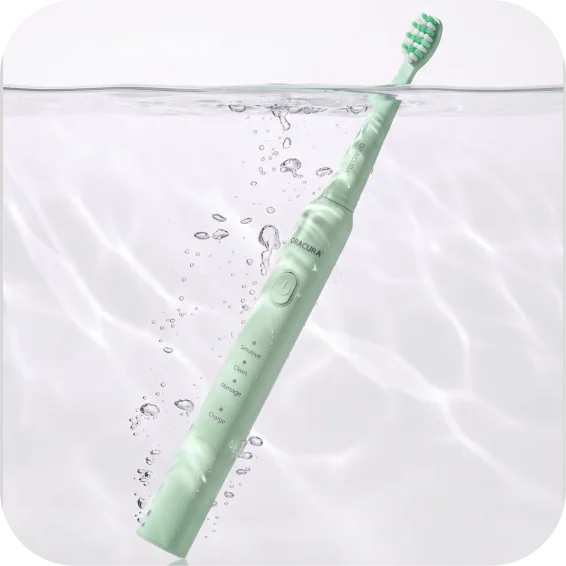
Walk down any drugstore aisle these days and you'll spot them: electric toothbrushes with oscillating heads, sonic vibrations, app connectivity, pressure sensors and price tags that make you pause. For many people the immediate question remains the same do these high-tech brushes really outperform the humble manual toothbrush you've used your whole life, or are they mostly clever marketing dressed up in plastic and LED lights? The answer matters because oral health quietly shapes so much else: confidence, nutrition, even long-term medical costs. Let's examine the most persistent misconceptions about electric oral care devices and see what holds up under scrutiny.
Despite daily brushing, plaque and gum issues silently threaten your smile and confidence. Oracura's dentist-trusted water flossers and sonic toothbrushes offer gentle, deep cleaning crafted for Indian homes. Paired with natural toothpaste, they ensure lasting oral health. Join 200,000+ happy users and transform your dental care for healthier teeth and gums. Shop Now!
The Cleaning Power Myth: Manual Brushes Are Just as Effective When Used Correctly
Perhaps the single most repeated objection is that a diligent manual brusher achieves identical results to any powered device. The logic feels airtight if technique is perfect, equipment becomes secondary. Reality, however, rarely matches that ideal. Clinical studies consistently show electric brushes remove more plaque and reduce gingivitis more effectively than manual brushing, even among people who consider their technique solid.
Why the gap? Humans are inconsistent. We shorten brushing time, miss posterior surfaces, apply uneven pressure and favor favorite quadrants. Modern electric models counter those very human tendencies with built-in two-minute timers, quadrant pacing signals and thousands of controlled oscillations or sonic pulses per minute. The engineering does not replace skill; it compensates for the moments when skill slips. Over weeks and months that small but steady advantage compounds into noticeably cleaner teeth and healthier gums.
Concern About Damage: Electric Brushes Destroy Enamel and Cause Gum Recession
Another deeply rooted worry is that rapid movement and vibration inevitably wear down enamel and push gums backward. The fear makes intuitive sense more action sounds like more abrasion. Yet contemporary designs have largely solved the problem that gave earlier models a bad reputation.
Almost every reputable electric toothbrush sold today incorporates a pressure sensor that immediately reduces power or stops movement when brushing force exceeds safe levels. Manual brushes offer no equivalent warning system; people who brush too hard can cause enamel erosion and recession for years without realizing it. Paradoxically, the very technology accused of being aggressive frequently protects users from themselves. When chosen thoughtfully and used with a soft-bristled head, electric brushes tend to be gentler on both enamel and gingiva than aggressive manual scrubbing.
Price Justification: They're Just Overpriced Gimmicks
The upfront cost difference sometimes five, ten, or even twenty times more than a manual brush invites skepticism. Critics label the category expensive hype targeting status-conscious consumers. Consumer behavior tells a different story. Interest in electric oral care continues to expand steadily across diverse markets, with Asia Pacific showing particularly strong momentum as awareness of preventive dentistry grows.
Beyond the initial purchase, economics shift. Quality rechargeable units last many years. Replacement heads, while recurring, cost far less per use than the cumulative expense of frequent manual brush purchases plus potential restorative dental work avoided through better plaque control. People who make the switch often report fewer bleeding gums, less staining and longer intervals between professional cleanings. The investment pays dividends in comfort, appearance and wallet over time.
Practicality Complaints: Battery Life Is Terrible and They're Awkward for Travel
Memories of first-generation models that died after a few days and required bulky chargers still color perceptions. Technology has moved on dramatically. Many current brushes deliver three weeks or more of regular use on a single charge. USB-C compatibility means you can top up from a laptop, power bank, or hotel USB port without hunting for proprietary adapters.
Manufacturers now bundle slim, TSA-friendly travel cases that protect the handle and often include a secondary charging puck. Maintenance remains straightforward: rinse, air dry, replace the head every three months. For frequent travelers the convenience of longer runtime and universal charging far outweighs the minor added bulk compared with packing multiple manual brushes or dealing with hotel-provided options of dubious quality.
Suitability Doubts: Unsafe for Kids, Braces Wearers, or Anyone with Sensitive Teeth
Parents frequently hesitate, concerned that powerful oscillations will overwhelm small mouths or damage developing teeth. Orthodontic patients worry about wires and brackets. People with recession or dentin hypersensitivity assume vibration equals discomfort. Each group has valid questions and manufacturers have responded with targeted solutions.
Pediatric models feature smaller brush heads, extra-soft bristles, gentler modes and fun brushing timers that keep children engaged longer. Orthodontic-specific heads are shaped to clean around brackets and under wires without catching or exerting excessive force. Dedicated sensitive settings reduce speed and amplitude while still providing superior plaque removal compared with a manual brush. Rather than being universally unsuitable, well-designed electric brushes adapt to these special circumstances and frequently improve daily compliance where manual brushing falters.
Environmental Guilt: Replaceable Heads Create Too Much Plastic Waste
Sustainability concerns are legitimate. Every three months a plastic head goes into the trash and the rechargeable handle itself eventually reaches end-of-life. The counterargument focuses on lifecycle impact. A single electric unit, used consistently for years, replaces dozens of manual brushes that would otherwise be discarded entirely. Longer battery life reduces charging frequency and associated energy draw.
Leading brands increasingly offer recycling programs for used heads, biodegradable handle materials in select lines and modular designs that let users replace only worn components. Better plaque control also tends to decrease toothpaste squeeze volume and reduce the need for intensive professional interventions that carry their own ecological footprint. The category is imperfect, but it is trending toward greater responsibility rather than away from it.
Smart Shopping Guide: Choosing an Electric Toothbrush You Won't Regret
Confronted with dozens of models, the decision can feel paralyzing. Narrow the field by prioritizing features that match real-life needs:
- Pressure sensor non-negotiable for protecting gums and enamel
- Multiple brushing modes daily clean, sensitive, whitening, gum care
- Timer with quadrant pacing ensures full coverage without guesswork
- Long battery runtime and convenient charging especially important for travel
- Replacement-head cost and availability check subscription options for savings
Start in the mid-price range from a brand with strong clinical backing and a solid warranty. Read recent user reviews for notes on noise level, grip comfort and actual battery performance. Treat the first head like a trial period if the experience improves your routine and your dental-checkup feedback, the switch usually becomes permanent.
The Bigger Picture: Why the Conversation Keeps Evolving
Electric oral care devices are not miracle cures, nor are they unnecessary luxuries. They represent incremental but meaningful progress in a daily habit most people perform inadequately. When myths give way to evidence, the decision often becomes less about gadget appeal and more about giving yourself the simplest, most consistent path to better oral health.
The technology continues maturing quieter motors, smarter apps, more sustainable materials, broader accessibility across price points. Your toothbrush is one of the few health tools you use twice a day for years on end. Choosing one that quietly helps you do the job better may be one of the highest-return health investments available. Progress rarely arrives with fanfare; sometimes it simply hums softly on the bathroom counter, waiting for you to press the button.
Frequently Asked Questions
Do electric toothbrushes actually clean better than manual toothbrushes?
Yes clinical studies consistently show that electric toothbrushes remove more plaque and reduce gingivitis more effectively than manual brushing, even among people who believe their technique is good. The key advantage is consistency: electric brushes compensate for common human habits like shortening brushing time, missing back teeth, or applying uneven pressure. Built-in two-minute timers and quadrant pacing signals help ensure thorough, full-mouth coverage every single time.
Are electric toothbrushes safe for people with sensitive teeth, braces, or kids?
Electric toothbrushes are suitable for most people when the right model is chosen. Pediatric versions feature smaller brush heads, extra-soft bristles, and gentler modes designed for children's developing teeth. For orthodontic patients, specially shaped heads clean effectively around brackets and wires, while dedicated sensitive settings reduce speed and intensity still outperforming manual brushing for plaque removal without causing discomfort.
Is the higher cost of an electric toothbrush really worth it compared to a manual one?
While the upfront price is higher, the long-term value of a quality electric toothbrush is strong. Rechargeable models last several years, and replacement heads cost far less per use than repeatedly buying manual brushes. Better plaque control can also mean fewer dental issues over time, reducing the need for costly professional treatments making the investment one that pays off in both oral health and overall savings.
Disclaimer: The above helpful resources content contains personal opinions and experiences. The information provided is for general knowledge and does not constitute professional advice.
You may also be interested in: Addressing Common Myths About Electric Toothbrushes - Oracura
Despite daily brushing, plaque and gum issues silently threaten your smile and confidence. Oracura's dentist-trusted water flossers and sonic toothbrushes offer gentle, deep cleaning crafted for Indian homes. Paired with natural toothpaste, they ensure lasting oral health. Join 200,000+ happy users and transform your dental care for healthier teeth and gums. Shop Now!
Powered by flareAI.co