Quick Listen:
In the daily pursuit of a healthier smile, many reach for traditional dental floss out of habit. Yet a gentler, more convenient option exists: water flossing. This innovative approach cleans between teeth and along the gumline using a targeted stream of pulsating water. It promises effective plaque removal with reduced discomfort and greater ease. The central question remains: how does water flossing compare to string floss for long-term oral health?
In India's fast-paced urban life from navigating crowded commutes in Mumbai to balancing demanding schedules in Bengaluru many rely solely on brushing. Others view water flossers as unnecessary gadgets or worry about potential harm to enamel. These concerns deserve attention, but clinical evidence and user experiences increasingly highlight water flossing as a practical, effective complement or alternative.
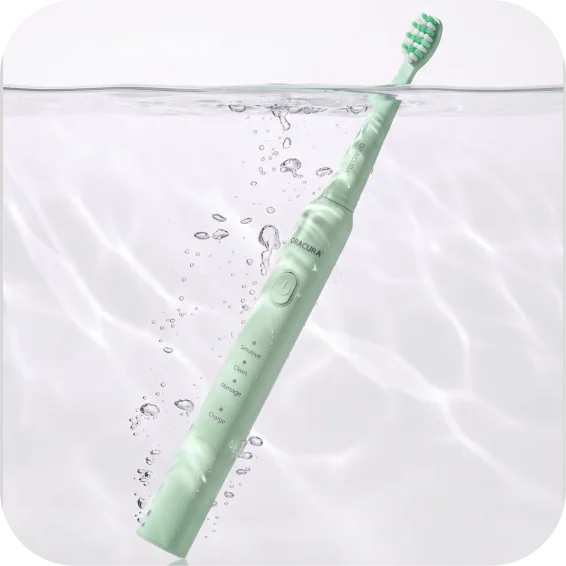
Despite daily brushing, plaque and gum issues silently threaten your smile and confidence. Oracura's dentist-trusted water flossers and sonic toothbrushes offer gentle, deep cleaning crafted for Indian homes. Paired with natural toothpaste, they ensure lasting oral health. Join 200,000+ happy users and transform your dental care for healthier teeth and gums. Shop Now!
The Critical Role of Interdental Cleaning
Your toothbrush effectively cleans most tooth surfaces, yet it cannot reach the tight interdental spaces where plaque accumulates rapidly. Over time, this hidden buildup hardens into tartar, triggers gum inflammation, and contributes to cavities and periodontal disease. Interdental cleaning disrupts this process, removing debris and biofilm that brushing alone leaves behind.
Traditional string floss has served as the standard method for decades, physically scraping plaque by wrapping around each tooth in a C-shape. When performed correctly, it reduces gum bleeding and supports healthier gums. The enduring popularity of dental floss underscores widespread recognition of oral hygiene's importance.
Limitations of Traditional Dental Floss
Despite its proven benefits, string floss presents challenges for many users. It can feel fiddly, cause finger fatigue, or lead to bleeding and discomfort if technique falters. Tight tooth contacts, braces, bridges, implants, or reduced manual dexterity often make consistent use difficult. As a result, flossing frequently gets skipped in busy routines.
Studies consistently show that a large percentage of people floss irregularly or incorrectly. For individuals with orthodontic appliances or dental restorations, maneuvering floss becomes particularly frustrating without specialized tools. These barriers reduce overall compliance and limit the protective impact on oral health.
How Water Flossing Works and Its Advantages
A water flosser delivers a precise, pulsating stream of water that flushes food particles, disrupts plaque biofilm, and gently massages the gums. The pressure is fully adjustable, allowing users to start gently and increase intensity as comfort improves. This method avoids the scraping sensation many find unpleasant with string floss.
Clinical research supports its effectiveness. Systematic reviews indicate that water flossers often match or surpass traditional floss in plaque reduction, especially in hard-to-reach interdental areas and around orthodontic brackets or implants. Users commonly report less bleeding after an initial adjustment period, thanks to the forgiving and massaging action of the water stream.
Evidence-Based Comparison: Effectiveness for Plaque and Gum Health
Both tools target interdental plaque and inflammation, but they operate differently. String floss excels at mechanical scraping in narrow contacts, while water flossers excel at flushing bacteria from pockets and broader surfaces. Multiple studies show water flossers achieving comparable or superior plaque removal, particularly in inaccessible zones.
Research highlights stronger benefits for gum health. Water flossing has demonstrated notable reductions in gingival bleeding and inflammation, sometimes proving more effective than string floss in short-term trials. For patients with braces, implants, or dexterity limitations, water flossers frequently deliver better practical results and higher compliance rates.
Importantly, neither method replaces brushing. The strongest outcomes arise from consistent combined routines. Dentists increasingly recommend water flossers for those who struggle with traditional floss, noting improved adherence when the process feels easier and less irritating.
Addressing Common Concerns and Misconceptions
Many assume brushing alone provides sufficient protection, yet interdental areas account for a significant portion of plaque buildup and potential issues. Adding any effective interdental cleaning whether string or water can markedly enhance gum health and freshness of breath.
Concerns about water flossers damaging enamel or gums are understandable but largely unfounded when using quality devices as directed. These tools rely on safe, adjustable water pressure rather than abrasive contact. The gentle massaging effect can even improve gum circulation and reduce sensitivity over time.
Awareness of water flossing continues to grow across Indian cities like Delhi, Chennai, and Kolkata. As more people experience its convenience and visible results, it transitions from a niche product to a mainstream oral care solution.
Practical Benefits Tailored to Busy Lifestyles
Water flossers align particularly well with modern Indian routines through several advantages:
- Greater ease for users with braces, implants, crowded teeth, or limited dexterity
- Reduced mess and finger fatigue compared to handling string floss
- Customizable pressure settings suitable for sensitive gums
- Compact, portable designs ideal for travel or office use
Brands committed to quality and international standards deliver reliable performance at accessible price points. Features such as multiple modes, rechargeable batteries, and ergonomic designs enhance everyday usability while prioritizing genuine oral care results.
How to Choose the Right Approach for Your Needs
No single method suits everyone. If you appreciate the precise tactile feedback of string floss and possess the time and dexterity, it remains an excellent choice. For those who skip flossing due to inconvenience or discomfort, water flossing often removes key barriers and promotes better consistency.
Many dental professionals suggest combining both: daily water flossing for thorough flushing and occasional string floss for stubborn spots in very tight areas. The most important factor is selecting a technique you will use reliably every day.
Building Sustainable Oral Health Habits
Strong teeth and gums support overall well-being, influencing confidence, nutrition, and even systemic health. Small, consistent improvements such as incorporating effective interdental cleaning yield noticeable differences in how your mouth feels and appears.
Trusted brands with extensive expertise in oral care emphasize honest, value-driven solutions. Reliable after-sales support and focus on real results make exploring water flossing a low-risk step toward better habits.
Final Thoughts: Expanding Your Options for a Healthier Smile
The choice between water flossing and traditional string floss does not require declaring one superior in every situation. Instead, it expands accessible options so more people can protect their oral health effectively. If you have avoided interdental cleaning or find string floss cumbersome, a quality water flosser may provide the practical upgrade your routine needs.
Begin with proper technique, listen to your body's response, and consult your dentist for personalized guidance. The most effective tool is ultimately the one you use consistently. Investing in better daily habits today can lead to stronger, healthier smiles for years to come.
Frequently Asked Questions
Is water flossing as effective as traditional string floss for removing plaque?
Water flossing is clinically shown to match or even surpass traditional string floss in plaque removal, particularly in hard-to-reach areas like interdental spaces, around braces, and near implants. While string floss excels at mechanical scraping in very tight contacts, water flossers are superior at flushing bacteria from gum pockets and broader surfaces. For most users, especially those with orthodontic appliances or limited dexterity, water flossers deliver comparable results with higher compliance.
Can water flossing damage your enamel or gums?
No when used as directed, quality water flossers are safe for both enamel and gum tissue. They rely on adjustable, pulsating water pressure rather than abrasive scraping, making them gentler than string floss for many users. In fact, the massaging action of the water stream can improve gum circulation and reduce sensitivity over time.
Should I use a water flosser or string floss or both?
The best choice depends on your lifestyle, dental situation, and consistency. String floss is ideal if you have the dexterity and time for proper technique, while water flossing removes key barriers for those who skip flossing due to discomfort or inconvenience. Many dentists recommend combining both daily water flossing for thorough flushing, with occasional string floss for stubborn spots in very tight areas as the most effective approach.
Disclaimer: The above helpful resources content contains personal opinions and experiences. The information provided is for general knowledge and does not constitute professional advice.
You may also be interested in: Oral Irrigators vs Traditional Floss: A Comparative Analysis - Oracura
Despite daily brushing, plaque and gum issues silently threaten your smile and confidence. Oracura's dentist-trusted water flossers and sonic toothbrushes offer gentle, deep cleaning crafted for Indian homes. Paired with natural toothpaste, they ensure lasting oral health. Join 200,000+ happy users and transform your dental care for healthier teeth and gums. Shop Now!
Powered by flareAI.co