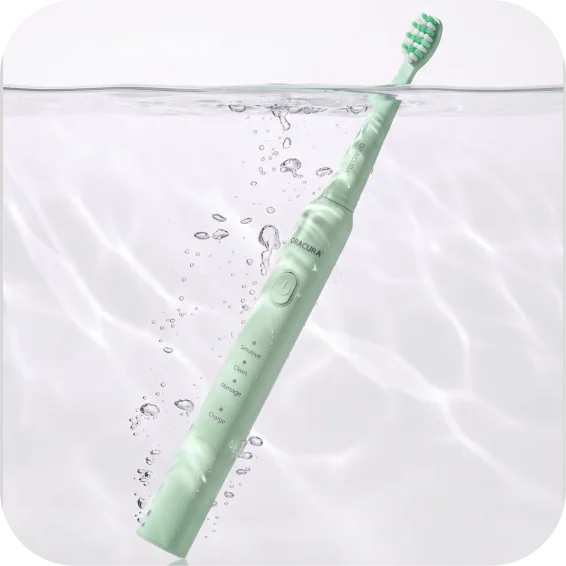
Picture finishing your evening routine knowing your mouth is genuinely clean not just surface-level, but down to the places your toothbrush can't easily reach. For decades, a manual toothbrush and some careful technique were considered enough. Today, dental professionals and everyday users alike recognize that the most effective path to lasting oral health combines time-tested manual brushing with precision devices like water flossers. This powerful partnership delivers cleaner teeth, healthier gums and noticeably fresher breath that carries through the day.
Despite daily brushing, plaque and gum issues silently threaten your smile and confidence. Oracura's dentist-trusted water flossers and sonic toothbrushes offer gentle, deep cleaning crafted for Indian homes. Paired with natural toothpaste, they ensure lasting oral health. Join 200,000+ happy users and transform your dental care for healthier teeth and gums. Shop Now!
The Enduring Value of Manual Brushing and Its Natural Limits
Manual toothbrushes remain a cornerstone of oral care for good reason. The familiar scrubbing motion effectively removes visible plaque, polishes enamel and gives you direct tactile feedback about pressure and coverage. Many dentists still teach and recommend proper manual technique because it builds essential awareness of your own mouth. Yet no matter how carefully you brush, certain areas remain challenging. Interdental spaces, the gumline curve and the backs of molars frequently escape thorough cleaning. Food debris lingers, plaque accumulates and bacteria thrive in those overlooked zones.
Daily life adds another layer of difficulty. Busy mornings, late nights and fatigue often shorten brushing time far below the recommended two minutes. This isn't laziness it's reality. Introducing a complementary device doesn't replace manual brushing; it completes the job by reaching what bristles alone cannot.
How Water Flossers and Similar Devices Are Changing Everyday Care
Today's bathrooms increasingly feature more than just a toothbrush. Water flossers (also called oral irrigators), sonic toothbrushes and interdental cleaners now stand alongside traditional tools. These devices deliver targeted streams of water or high-frequency vibrations to dislodge debris and stimulate gum tissue in ways manual brushing cannot match. Among them, water flossers have seen particularly strong adoption as more people experience the immediate improvement in gum comfort and overall mouth feel.
Industry reports reflect this growing interest. One widely cited analysis projects the global water flosser market to approach nearly $1.9 billion by 2030, driven by rising awareness of preventive oral care and the effectiveness of these tools as a supplement to brushing. The real story, though, isn't in the numbers it's in households where people report less bleeding gums, fresher breath and fewer surprises at their next dental visit after adding just one extra step to their routine.
The Synergy: Why Combining Both Approaches Delivers Superior Results
Manual brushing and water flossing work best as teammates, not competitors. The brush clears broad surfaces and disrupts the sticky biofilm of plaque. A water flosser then flushes away loosened particles, cleans between teeth and gently massages the gums to improve circulation and reduce inflammation. Together, the two methods recreate the thoroughness of a professional prophylaxis in the comfort of home.
A practical routine is straightforward: brush for two full minutes using a soft-bristled manual toothbrush and fluoride toothpaste, then follow immediately with the water flosser at a pressure that feels comfortable (most models offer multiple settings so you can start gently and adjust over time). Many users notice tangible changes quickly reduced gum sensitivity and bleeding often improve within a couple of weeks. Clinical observations frequently shared by hygienists show that consistent dual-method use can remove significantly more plaque than brushing alone, leading to measurably better long-term outcomes.
Selecting Tools That Seamlessly Fit Your Routine
Choosing the right device matters far more than picking the flashiest model. A countertop water flosser with a generous reservoir suits family use and daily home routines, while compact cordless versions travel easily and fit small bathroom counters. Pair whichever style you select with a well-designed manual brush angled heads and medium-soft bristles often reach back teeth more effectively.
Prioritize practical features: adjustable pressure, simple reservoir cleaning and specialized tips if you have braces, implants, or periodontal concerns. The upfront cost fades quickly when weighed against fewer emergency dental appointments, reduced treatment needs and the quiet confidence that comes from knowing your oral hygiene is comprehensive.
- Start on the lowest pressure setting and gradually increase comfort over the first week.
- Change flosser tips every three months, the same way you replace toothbrush heads.
- Keep your manual brush accessible some mornings the familiar feel is exactly what you need.
Making the Combined Routine Sustainable and Enjoyable
Building the habit requires no drastic life changes. Many people reserve mornings for manual brushing alone it feels energizing and grounding. Evenings become the natural time for water flossing when the house is quieter and there's space for an unhurried extra minute. Place the device on the counter beside the sink so it becomes part of the landscape instead of an additional task.
Progress becomes obvious without effort: pay attention to morning breath, the appearance of your teeth in photos, or how your gums feel when you smile. Hygienists routinely note dramatically less calculus buildup in patients who consistently use both methods. That kind of real-world feedback turns the routine from obligation into genuine self-care one that delivers visible, lasting rewards.
Addressing Common Concerns and Misconceptions
Some hesitate, worrying that adding a device implies manual brushing is inadequate or that they're somehow “taking shortcuts.” In reality, manual technique remains foundational; devices simply extend its reach and effectiveness. Others worry about noise, complexity, or cost. Modern water flossers operate quietly often quieter than electric brushes and the learning curve usually disappears after three or four days of use.
Cost concerns fade when you compare the price of one quality device to the expense of treating advanced gum disease, replacing restorations, or managing chronic issues. Well-maintained units last many years and most brands offer affordable replacement components that extend lifespan even further.
Looking Ahead: The Evolving Landscape of Daily Oral Health
Innovation continues to refine these tools smarter pressure controls, connected apps that track habits, models that provide real-time feedback. Yet the fundamental insight remains unchanged: the most reliable, sustainable oral health comes from leveraging the strengths of manual brushing and letting precision devices handle the rest. Dental experts consistently describe this dual approach as the most practical strategy for lifelong gum and tooth health.
Ultimately, optimal oral care isn't about chasing trends or achieving perfection. It's about giving your mouth every realistic advantage manual skill where it excels and device precision where it shines. Protect your smile today with simple, consistent habits and enjoy the benefits for decades to come. The difference shows up first in the mirror, then at your next dental checkup and finally in the quiet confidence of knowing you're doing everything that truly matters.
Frequently Asked Questions
Can a water flosser replace traditional flossing or manual brushing?
A water flosser is not a replacement for manual brushing it's a powerful complement to it. Manual brushing clears broad tooth surfaces and disrupts plaque biofilm, while a water flosser flushes debris from between teeth and along the gumline where bristles can't easily reach. Using both together delivers more thorough cleaning than either method alone, helping reduce gum bleeding and sensitivity within just a couple of weeks.
How do I add a water flosser to my daily oral care routine without it feeling like a chore?
The easiest approach is to keep your morning routine as-is manual brushing only and reserve water flossing for the evening when you have an extra unhurried minute. Place the device on your counter beside the sink so it becomes a natural part of your environment rather than an added task. Start on the lowest pressure setting and gradually increase over the first week as you get comfortable.
Is a water flosser worth the cost compared to traditional dental care?
The upfront cost of a quality water flosser is minimal when compared to the expense of treating advanced gum disease, replacing dental restorations, or managing chronic oral health issues. Well-maintained units last for many years, and most brands offer affordable replacement tips. Consistent use of the combined brushing-and-water-flossing method can lead to measurably less plaque buildup and fewer surprises at your next dental checkup making it a smart long-term investment in your oral health.
Disclaimer: The above helpful resources content contains personal opinions and experiences. The information provided is for general knowledge and does not constitute professional advice.
You may also be interested in: The Benefits of Combining Flossing and Brushing for Results
Despite daily brushing, plaque and gum issues silently threaten your smile and confidence. Oracura's dentist-trusted water flossers and sonic toothbrushes offer gentle, deep cleaning crafted for Indian homes. Paired with natural toothpaste, they ensure lasting oral health. Join 200,000+ happy users and transform your dental care for healthier teeth and gums. Shop Now!
Powered by flareAI.co