Quick Listen:
In the humid mornings along Mumbai's Marine Drive or amid the fast-paced mornings in Bengaluru's tech hubs, a subtle but meaningful change is unfolding in urban Indian bathrooms. Residents are increasingly choosing electric toothbrushes over traditional manual ones not for novelty, but as a direct counter to the widespread oral health problems that dentists in Delhi, Chennai, and Kolkata encounter daily. Dental caries and periodontal issues affect large portions of the population, turning what could be simple prevention into costly, painful treatments later.
This growing recognition is captured clearly in the article Why You Should Invest in an Electric Toothbrush for Better Oral Health in India. Far from exaggeration, the case rests on solid evidence of how quickly oral conditions worsen in city environments.
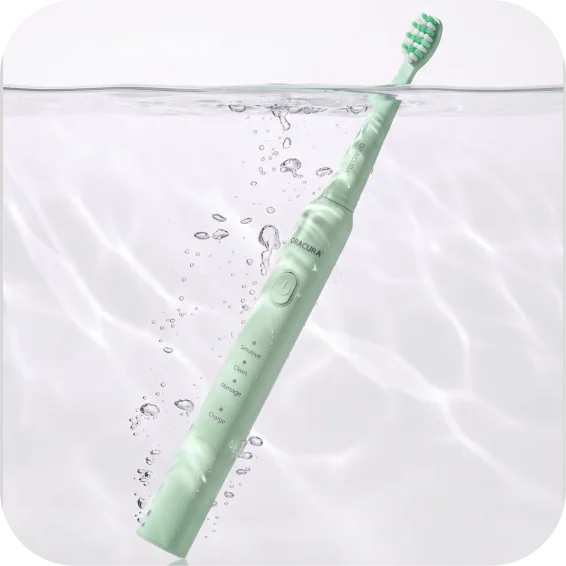
Despite daily brushing, plaque and gum issues silently threaten your smile and confidence. Oracura's dentist-trusted water flossers and sonic toothbrushes offer gentle, deep cleaning crafted for Indian homes. Paired with natural toothpaste, they ensure lasting oral health. Join 200,000+ happy users and transform your dental care for healthier teeth and gums. Shop Now!
India's Oral Health Crisis Takes Center Stage
Oral health often escapes public attention, yet it silently impacts millions across the country. Dental caries and periodontal disease stand among the most prevalent non-communicable conditions in India. A comprehensive systematic review and meta-analysis places the overall prevalence of dental caries at 54.16%, with rates reaching 62% among adults over 18 years and around 52% in the 3–18 age group.
In India's major urban centers, the situation remains serious. High-sugar diets featuring chai, street foods, and processed snacks, combined with inconsistent brushing practices, accelerate plaque accumulation and early gum problems. Studies indicate caries rates frequently fall between 50–60% among school-age children in cities like Chennai and Bengaluru. Similar trends appear in Delhi and Mumbai, where lifestyle factors and stress contribute to faster plaque buildup and gingival inflammation. In Kolkata, crowded living conditions often limit regular dental visits, compounding vulnerability.
The Indian Dental Association and national surveys emphasize that poor adherence to effective brushing leaves many urban dwellers exposed. Untreated, these issues progress to severe pain, infections, tooth loss, and expensive procedures such as fillings, root canals, or extractions. This reality drives the rising interest in preventive solutions like electric toothbrushes, which tackle plaque and gum health more reliably than manual methods alone.
Rapid Growth in Electric Toothbrush Use Across Tier-1 Cities
Once viewed as an imported luxury, electric toothbrushes now gain steady ground in India's metropolitan areas. According to reliable market analysis from Grand View Research, India's electric toothbrush market generated USD 76.3 million in revenue in 2024 and is projected to reach USD 143.8 million by 2030, expanding at a CAGR of 11.2% from 2025 to 2030. This pace outstrips the global trend, where the overall market stood at USD 4.36 billion in 2024 and is expected to hit USD 6.82 billion by 2030 with a 7.8% CAGR from 2025 onward.
Post-pandemic hygiene awareness has fueled this surge nationwide. In Bengaluru's IT corridors, busy professionals rely on built-in timers and pressure sensors to achieve consistent, thorough cleaning. Clinics in Mumbai and Delhi increasingly see young adults adopting powered brushes following professional advice. Pediatric practices in Chennai employ them to instill reliable habits in children, while households in Kolkata value rechargeable models that perform reliably even during intermittent power supply.
Dentist recommendations hold significant influence, and easy access through e-commerce platforms helps. Rising disposable incomes in urban middle-class families position these devices as worthwhile investments in long-term oral health rather than fleeting indulgences.
Evidence Supporting Electric Over Manual Brushing
Robust research, including a major Cochrane review, demonstrates clear advantages for powered toothbrushes. The analysis, drawing from 56 trials and over 5,000 participants, shows that electric brushes reduce plaque by 11% at one to three months and 21% after three months compared to manual ones. Gingivitis improves by 6% initially and 11% longer-term, backed by moderate-quality evidence. Rotation-oscillation models, with the strongest supporting data, deliver statistically significant reductions in both plaque and gingivitis.
Indian clinical studies align with these findings, showing superior plaque removal and gingival health in urban users. Electric options prove especially valuable for children, older adults, and individuals with limited dexterity. In time-constrained metro lifestyles, features like two-minute timers enhance compliance. Dentists in private practices across Mumbai, Delhi, and Bengaluru frequently report tangible benefits reduced gum bleeding and fewer new cavities among patients who make the switch.
Practical Adoption in Everyday Urban Settings
In specialized periodontal offices in South Delhi or family clinics in Mumbai's Andheri area, the recommendation is consistent: electric brushes deliver superior results. Corporate wellness initiatives in Bengaluru's tech parks promote them to minimize lost productivity from dental discomfort. Chennai's pediatric specialists use oscillating models under supervision to foster enduring routines. In Kolkata, where mobility limitations affect some older residents, gentler vibrations simplify effective cleaning without excessive effort.
These examples reflect broader patterns. Dentists witness improved patient commitment and objective hygiene progress, decreasing the frequency of corrective treatments.
Overcoming Barriers to Wider Adoption
Challenges persist despite the momentum. Upfront costs for devices and replacement heads deter some, particularly beyond affluent urban circles. Awareness remains limited outside major metros, and misconceptions linger such as fears that vibration harms enamel (evidence indicates proper use protects it better).
Logistical hurdles include inconsistent stocking of heads in smaller outlets in Kolkata or Chennai, plus charging concerns in regions with unstable electricity. Still, expanding brand networks and more affordable local alternatives gradually reduce these obstacles.
Economic and Health Benefits Over Time
The financial logic is compelling: prevention costs far less than restoration. Treatments like fillings, extractions, or implants quickly exceed the price of better daily tools. Fewer appointments ease pressure on busy clinics in Mumbai and Delhi. For aging residents in Chennai and Kolkata, improved gum health supports natural teeth retention longer.
Broader gains include reduced strain on public health systems and lower private expenditure in cities grappling with lifestyle-related conditions.
Future Prospects for India's Oral Care Landscape
This momentum opens doors for innovation. Domestic brands can develop cost-effective powered brushes suited to local preferences. Clinics benefit from fewer urgent cases, while city-level preventive efforts draw on government initiatives and academic partnerships in Bengaluru, Chennai, and Delhi.
Dental experts and public health professionals anticipate electric toothbrushes evolving into a standard preventive measure in urban India, propelled by greater awareness, professional guidance, and improving affordability.
For people living in Mumbai, Delhi, Bengaluru, Chennai, or Kolkata, the decision is straightforward. An electric toothbrush represents a practical, evidence-supported choice for stronger teeth and gums in a nation where oral problems frequently advance unnoticed until they cause real harm. Select a dependable model, maintain twice-daily brushing, and the improvements in comfort, confidence, and savings will become evident over time.
Frequently Asked Questions
Are electric toothbrushes really more effective than manual ones for oral health in India?
Yes, electric toothbrushes are clinically proven to be more effective. A major Cochrane review analyzing over 5,000 participants found that electric brushes reduce plaque by 11% in the first three months and 21% after continued use, compared to manual brushes. They also improve gingivitis by 6% initially and 11% over time, with rotation-oscillation models showing the strongest results. This is particularly valuable in India where dental caries affects 54.16% of the population and periodontal disease is widespread.
How fast is the electric toothbrush market growing in India?
India's electric toothbrush market is experiencing rapid growth, generating USD 76.3 million in revenue in 2024 and projected to reach USD 143.8 million by 2030. This represents an 11.2% CAGR from 2025 to 2030, which significantly outpaces the global market growth rate of 7.8%. The surge is driven by post-pandemic hygiene awareness, increasing dentist recommendations, rising disposable incomes in urban areas, and growing recognition of preventive oral care benefits.
What are the main benefits of using an electric toothbrush in Indian cities like Mumbai, Delhi, and Bengaluru?
Electric toothbrushes offer several key advantages for urban Indian residents dealing with high-sugar diets and time constraints. Built-in timers ensure the recommended two-minute brushing duration, pressure sensors prevent gum damage, and superior plaque removal helps counter the effects of chai, street foods, and processed snacks common in city diets. For busy professionals, children, older adults, and those with limited dexterity, electric brushes provide more consistent and thorough cleaning, leading to reduced gum bleeding, fewer cavities, and lower long-term dental treatment costs.
Disclaimer: The above helpful resources content contains personal opinions and experiences. The information provided is for general knowledge and does not constitute professional advice.
You may also be interested in: How Often Should You Replace Your Electric Toothbrush Head?
Despite daily brushing, plaque and gum issues silently threaten your smile and confidence. Oracura's dentist-trusted water flossers and sonic toothbrushes offer gentle, deep cleaning crafted for Indian homes. Paired with natural toothpaste, they ensure lasting oral health. Join 200,000+ happy users and transform your dental care for healthier teeth and gums. Shop Now!
Powered by flareAI.co