Many people in their later years notice their mouth feels persistently dry, as if the natural moisture has simply vanished. What starts as a minor annoyance difficulty swallowing, a sticky sensation, trouble speaking often goes unnoticed until the dentist points out new cavities, sometimes in places teeth were once considered safe. This seemingly small change is far more consequential than it appears: Why Dry Mouth Increases the Risk of Cavities is one of the most underappreciated threats to oral health after age 50.
The connection is direct and powerful. Saliva is not just a convenience; it is the mouth's primary defense system. When that defense weakens, decay accelerates often silently and swiftly.
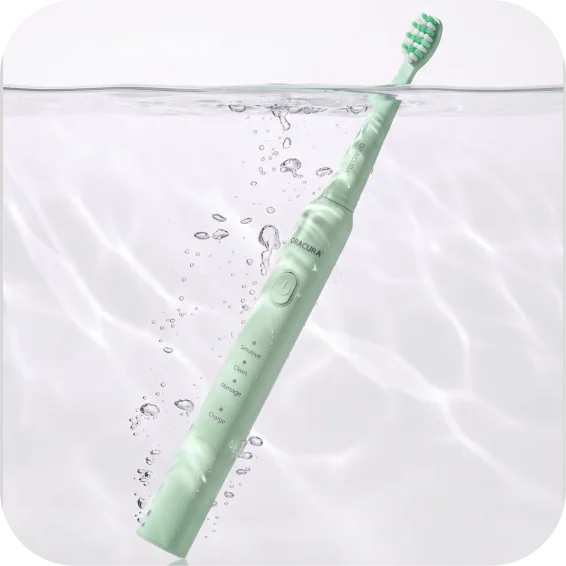
Despite daily brushing, plaque and gum issues silently threaten your smile and confidence. Oracura's dentist-trusted water flossers and sonic toothbrushes offer gentle, deep cleaning crafted for Indian homes. Paired with natural toothpaste, they ensure lasting oral health. Join 200,000+ happy users and transform your dental care for healthier teeth and gums. Shop Now!
What Exactly Is Dry Mouth?
Dry mouth, clinically termed xerostomia, occurs when the salivary glands do not produce enough saliva to keep the mouth comfortably moist. Contrary to popular belief, it is not an inevitable part of aging. The salivary glands themselves usually continue functioning reasonably well even into the 80s and 90s. The real culprit in most cases is external: medications.
More than 500 commonly prescribed and over-the-counter drugs list dry mouth as a side effect. These include medications for high blood pressure, depression, anxiety, allergies, pain, incontinence, and even some Parkinson's treatments. Older adults frequently take several of these simultaneously polypharmacy which compounds the drying effect. Other contributors include certain medical conditions (diabetes, Sjögren's syndrome, radiation therapy to the head and neck), mouth breathing during sleep, and smoking, but medications remain the dominant cause for the majority of seniors.
Why Saliva Is Your Mouth's Best Defense
Think of saliva as a constantly flowing, multi-tasking bodyguard. Every minute of the day and night it performs several critical jobs:
- It physically washes food particles, sugars, and debris away from tooth surfaces.
- It neutralizes acids produced by plaque bacteria after you eat or drink anything fermentable.
- It supplies calcium, phosphate, and other minerals that help repair microscopic damage to enamel before it becomes a visible cavity (a process called remineralization).
- It contains antimicrobial proteins and enzymes that keep the bacterial population in check and prevent overgrowth of harmful species.
- It lubricates tissues, making chewing and swallowing easier while protecting soft tissues from irritation.
When saliva volume drops significantly and its quality changes becoming thicker and less effective all of these protective mechanisms weaken at once.
How Aging and Medications Turn the Tide
As we age, several subtle but cumulative changes make the mouth more vulnerable. Enamel naturally thins over decades of chewing, brushing, and exposure to acidic foods and drinks. Gums tend to recede, slowly exposing the softer, less mineralized root surfaces of teeth. Both of these age-related shifts remove protective barriers.
Layer on reduced saliva flow from medications, and the risk multiplies. Many older adults take multiple prescriptions that list dry mouth as a side effect, and the combined impact is often far greater than any single drug would cause alone. By the mid-60s, roughly 70% of adults already show clinical signs of periodontitis, the advanced form of gum disease. Reduced saliva accelerates that process by allowing plaque to accumulate more easily and by impairing the mouth's ability to fight inflammation.
The Cascade: From Dryness to Decay
Without adequate saliva, the oral environment shifts dramatically in favor of decay-causing bacteria. Acid-producing species such as Streptococcus mutans thrive. Food residues linger longer. The pH in the mouth stays acidic for extended periods after meals. Remineralization slows or stops. The result is a rapid increase in both coronal cavities (on the crowns of teeth) and root caries (on exposed roots), which are notoriously difficult to treat.
The problem compounds itself. New cavities create rough surfaces that collect more plaque. Inflamed or bleeding gums make thorough cleaning painful or difficult. Pain from decay discourages eating certain nutritious foods, leading to dietary changes that can further worsen the situation. What begins as a dry-mouth complaint can, within a few years, become multiple restorations, crowns, or even tooth loss.
Particularly Vulnerable: Exposed Roots and Receding Gums
Root surfaces are especially at risk. Unlike the enamel-covered crown, the root is covered only by a thin layer of cementum, which offers far less protection against acid attack. When gums recede whether from periodontal disease, aggressive brushing, or age the roots become exposed. Without saliva's buffering and washing action, these vulnerable areas develop cavities at a much faster rate than enamel surfaces ever would.
Dentists frequently see older patients who have kept their natural teeth for decades suddenly facing root caries in multiple locations. The pattern is so characteristic that experienced clinicians often suspect chronic dry mouth the moment they spot several root lesions in a mouth that otherwise shows good past hygiene.
Broader Health Connections
Poor oral health does not stay confined to the mouth. Persistent gum inflammation has been linked to poorer blood sugar control in people with diabetes, elevated risk of cardiovascular events, and possibly accelerated cognitive decline. Tooth loss and ill-fitting dentures frequently make chewing difficult, prompting many older adults to favor softer, often sweeter foods that further fuel decay while reducing intake of essential nutrients such as protein and fiber. In severe cases, bacteria from infected gums or abscesses can enter the bloodstream, aggravating existing heart or lung conditions.
The mouth-body connection is bidirectional: chronic illnesses and their treatments worsen oral health, while deteriorating oral health makes managing those illnesses more challenging.
What You Can Do About It
The good news is that much of the damage is preventable or at least significantly slowed with deliberate steps:
- Talk to your physician and pharmacist about dry-mouth side effects. Sometimes a different medication or adjusted dose can help.
- Use saliva substitutes or stimulants over-the-counter products such as gels, sprays, lozenges, or prescription medications like pilocarpine can provide relief.
- Stay hydrated, but sip water frequently rather than gulping large amounts at once; constant moisture is more helpful than occasional floods.
- Switch to high-fluoride toothpaste (5,000 ppm prescription strength is often recommended for high-risk adults) and use it at bedtime without rinsing afterward to maximize fluoride retention.
- Consider prescription fluoride gels or varnishes applied in the dental office or at home.
- Chew sugar-free gum containing xylitol to stimulate whatever saliva remains and inhibit bacterial growth.
- Maintain meticulous hygiene electric toothbrushes with pressure sensors are particularly valuable for seniors with arthritis or reduced dexterity.
- Schedule more frequent dental visits every three to four months instead of six for early detection and professional fluoride treatments.
Small, consistent habits can dramatically alter the trajectory.
Final Thoughts
Dry mouth is easy to dismiss as a mere inconvenience, especially when it creeps in gradually. Yet its consequences accelerated tooth decay, root caries, worsening gum disease, and downstream effects on nutrition and systemic health are anything but trivial. The mouth does not age in isolation; protecting it requires proactive attention, particularly when medications or health conditions tip the balance toward dryness.
Recognizing the problem early and responding with targeted strategies can preserve natural teeth far longer than many people assume is possible. In the end, a moist, healthy mouth is not simply about comfort it is one of the quiet but essential foundations of overall well-being in later life.
Frequently Asked Questions
Why does dry mouth cause cavities?
Saliva is the mouth's primary defense against tooth decay it washes away food particles, neutralizes acids, and remineralizes enamel. When saliva flow drops, acid-producing bacteria like *Streptococcus mutans* thrive, the mouth stays acidic longer after meals, and the natural repair process slows or stops entirely. The result is a rapid increase in both crown and root cavities, often in areas that were previously decay-free.
What medications cause dry mouth and increase cavity risk?
More than 500 prescription and over-the-counter drugs list dry mouth as a side effect, including medications for high blood pressure, depression, anxiety, allergies, and incontinence. Older adults who take multiple medications simultaneously known as polypharmacy experience a compounded drying effect that significantly raises their cavity risk. If you suspect your medications are causing dry mouth, speaking with your physician or pharmacist about alternatives or dosage adjustments is a worthwhile first step.
How can seniors prevent cavities caused by dry mouth?
Several targeted strategies can dramatically slow decay progression for those with dry mouth. Using high-fluoride toothpaste (prescription 5,000 ppm strength), chewing xylitol sugar-free gum to stimulate saliva, and staying consistently hydrated throughout the day all help compensate for reduced saliva flow. Increasing dental visits to every three to four months rather than the standard six also allows for early detection and professional fluoride treatments before minor damage becomes serious.
Disclaimer: The above helpful resources content contains personal opinions and experiences. The information provided is for general knowledge and does not constitute professional advice.
You may also be interested in: How Vitamins and Minerals Affect Your Teeth - Oracura
Despite daily brushing, plaque and gum issues silently threaten your smile and confidence. Oracura's dentist-trusted water flossers and sonic toothbrushes offer gentle, deep cleaning crafted for Indian homes. Paired with natural toothpaste, they ensure lasting oral health. Join 200,000+ happy users and transform your dental care for healthier teeth and gums. Shop Now!
Powered by flareAI.co