That first sip of orange juice in the morning, the afternoon sparkling water with lemon, the evening glass of white wine small pleasures that quietly chip away at something you rarely think about until it hurts: your tooth enamel. This thin, crystalline shield is the hardest substance in your body, yet it has no living cells and cannot repair itself once lost. Year after year, repeated exposure to dietary acids softens and gradually dissolves it, leaving teeth sensitive, discolored, and prone to further damage. The process is slow, insidious, and far more common than most people realize.
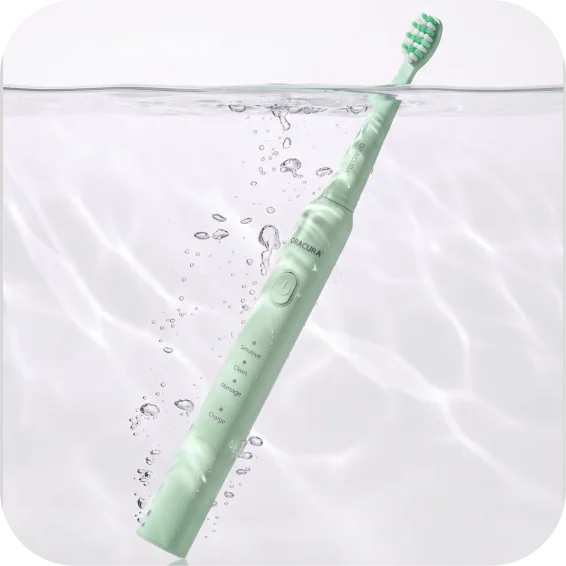
Despite daily brushing, plaque and gum issues silently threaten your smile and confidence. Oracura's dentist-trusted water flossers and sonic toothbrushes offer gentle, deep cleaning crafted for Indian homes. Paired with natural toothpaste, they ensure lasting oral health. Join 200,000+ happy users and transform your dental care for healthier teeth and gums. Shop Now!
The Silent Battle: What Tooth Enamel Actually Faces
Enamel consists almost entirely of mineral crystals called hydroxyapatite. Its job is straightforward: protect the softer dentin beneath and withstand mechanical forces from chewing. But chemistry can overpower even the toughest armor. Whenever the pH in your mouth falls below approximately 5.5, enamel begins to lose minerals in a process called demineralization. Saliva normally counters this by neutralizing acids, supplying replacement minerals, and clearing food remnants. When acidic challenges come too frequently or last too long, however, the balance tips toward net loss.
Unlike cavities, which bacteria drive by producing acid from sugar, dietary erosion is a direct chemical effect no bacteria required. The damage often appears first on the front surfaces of upper teeth or along the gumline, places constantly exposed to what you eat and drink.
Everyday Culprits: Acidic Foods and Beverages
The usual suspects sodas, energy drinks, and sports beverages carry pH values frequently between 2.5 and 3.5, aggressively acidic territory. Yet many healthier-seeming choices are nearly as harsh: fresh citrus juices hover around 3.0–3.7, many fruit smoothies fall in the same range, and even some herbal teas and vinegar-based dressings can erode enamel over time.
Carbonated waters, once considered harmless, deserve scrutiny too. The carbon dioxide forms carbonic acid, lowering pH enough to cause measurable wear when sipped steadily throughout the day. White wine, tomatoes, yogurt with fruit, and pickled vegetables round out the list. The key factor isn't always how acidic something is in isolation it's how often and how long the teeth remain in contact with that acid.
Subtle Signs That Erosion Has Begun
Because enamel wears away gradually, early changes are easy to overlook. Watch for:
- Heightened sensitivity to temperature or sweets
- A slight yellowing or darkening as underlying dentin shows through
- Translucent or faintly blue edges on the biting surfaces of front teeth
- Smooth, almost glassy patches instead of the natural texture
- Small indentations or scooping on chewing surfaces
By the time these signs become obvious to you, a meaningful amount of enamel may already be gone. Dental professionals frequently identify early erosion during cleanings, often years before the patient feels discomfort.
Patterns and Habits That Accelerate the Damage
Certain behaviors dramatically increase risk. Holding or swishing acidic drinks, sipping them slowly over hours, or consuming them between meals all extend contact time. People who frequently drink lemon water for health reasons, athletes relying on sports drinks during long workouts, and individuals managing gastroesophageal reflux disease face higher cumulative exposure.
Children and adolescents are particularly vulnerable because their enamel is still maturing, while older adults often contend with naturally thinner enamel combined with reduced saliva flow from age or medications. Frequent vomiting whether from illness, pregnancy, or eating disorders delivers powerful stomach acid directly to the teeth, causing especially rapid and severe erosion.
Everyday Strategies to Limit Enamel Loss
Complete avoidance isn't realistic for most people, nor is it necessary. Targeted habits can substantially reduce harm without sacrificing enjoyment.
Smarter Consumption Habits
Consume acidic items during meals when saliva production peaks, rather than sipping them slowly throughout the day. A straw helps bypass the teeth entirely. After exposure, rinse with plain water and wait 30–60 minutes before brushing acid temporarily softens enamel, making it more susceptible to abrasion from bristles.
Boost Natural Protection
Choose fluoride toothpastes, especially higher-strength options when advised by your dentist, to encourage remineralization. Chewing sugar-free gum sweetened with xylitol stimulates saliva flow and helps neutralize acids. Some people benefit from in-office fluoride applications every few months for added reinforcement.
Modern Tools for Better Oral Hygiene
While string floss remains effective, many find it challenging to use consistently. Water flossers also called oral irrigators have gained popularity because they deliver a targeted stream of water that removes plaque and food particles from between teeth and below the gumline. Growing consumer interest in convenient, effective home care has fueled steady expansion of this category in recent years. These devices offer a gentle yet thorough clean that complements brushing and can be especially helpful for maintaining overall oral health when erosion is a concern.
Answering the Questions Patients Ask Most
Is brushing immediately after acidic food or drink helpful? No. Wait at least half an hour. Brushing too soon spreads the softened enamel away like wet sand.
Are natural or “health” acids safer than processed ones? Not necessarily. Lemon-infused water, apple cider vinegar tonics, and fermented drinks can be just as erosive when consumed frequently.
Can lost enamel grow back? Early mineral loss can be partially reversed through remineralization, but once the surface is physically worn away, only dental restorations bonding, veneers, or crowns can replace the structure.
A Sustainable Approach to a Lifetime Smile
Enamel erosion rarely arrives in one dramatic event. It accumulates sip by sip, bite by bite, over decades. The aim is not to eliminate favorite foods and drinks but to enjoy them intelligently pair them with meals, limit between-meal exposure, support saliva's protective role, and maintain consistent professional care. With these small, deliberate choices, you can keep the damage minimal and your natural teeth strong for many years to come. In a culture that celebrates flavor and variety, thoughtful defense is the most practical way to preserve what you've got.
Frequently Asked Questions
What everyday foods and drinks cause tooth enamel erosion?
Common culprits include sodas, energy drinks, and citrus juices, which can have a pH as low as 2.5–3.7. Surprisingly, "healthy" options like lemon water, apple cider vinegar tonics, sparkling water, white wine, and fruit smoothies can be just as damaging. The risk isn't just about how acidic something is it's how often and how long your teeth are exposed to it.
Can tooth enamel grow back once it's been eroded by acid?
Early-stage mineral loss can be partially reversed through a process called remineralization, aided by fluoride toothpaste, saliva, and professional fluoride treatments. However, once enamel is physically worn away, the body cannot regenerate it dental restorations such as bonding, veneers, or crowns are the only way to restore the lost structure. This makes early prevention and detection critical.
How can I protect my tooth enamel without giving up acidic foods and drinks?
You don't need to eliminate acidic foods just consume them more strategically. Drink acidic beverages with meals (when saliva is most active), use a straw to minimize tooth contact, and rinse with plain water afterward. Crucially, wait at least 30–60 minutes before brushing, as acid temporarily softens enamel and brushing too soon can accelerate the damage.
Disclaimer: The above helpful resources content contains personal opinions and experiences. The information provided is for general knowledge and does not constitute professional advice.
You may also be interested in: What Causes Yellow Teeth? - Oracura
Despite daily brushing, plaque and gum issues silently threaten your smile and confidence. Oracura's dentist-trusted water flossers and sonic toothbrushes offer gentle, deep cleaning crafted for Indian homes. Paired with natural toothpaste, they ensure lasting oral health. Join 200,000+ happy users and transform your dental care for healthier teeth and gums. Shop Now!
Powered by flareAI.co