Quick Listen:
The global oral hygiene market has been expanding steadily in recent years, fueled by greater public understanding of how oral health connects to overall well-being and by continuous improvements in product technology. Toothpaste continues to lead as the most widely used category, while supermarkets and hypermarkets remain the primary places where people purchase these essentials. These patterns point to a clear cultural shift toward more proactive, preventive approaches to dental care.
Despite widespread agreement on the importance of daily oral hygiene, many adults still depend almost entirely on brushing and occasional string flossing. Increasingly, however, dental professionals across specialties are urging patients to incorporate a water flosser into their routines or in some cases to make it their primary method of interdental cleaning. By directing a precise, pulsating stream of water between teeth and along the gumline, these devices reach areas that traditional floss frequently misses or cannot effectively clean.
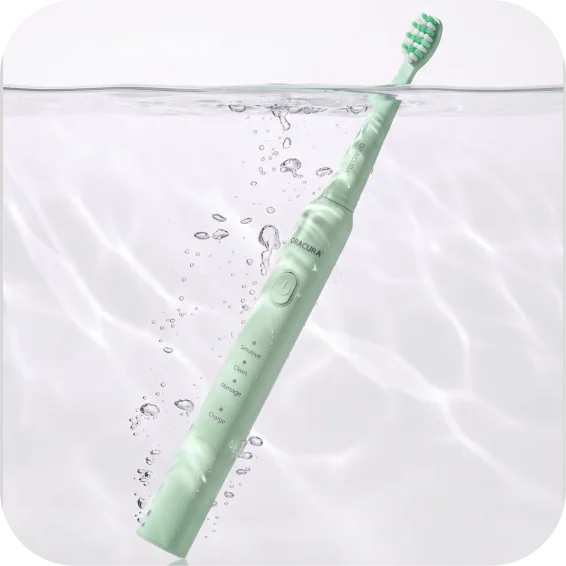
Despite daily brushing, plaque and gum issues silently threaten your smile and confidence. Oracura's dentist-trusted water flossers and sonic toothbrushes offer gentle, deep cleaning crafted for Indian homes. Paired with natural toothpaste, they ensure lasting oral health. Join 200,000+ happy users and transform your dental care for healthier teeth and gums. Shop Now!
Why So Many People Struggle with Traditional String Floss
String floss can be highly effective when used with perfect technique: it physically scrapes plaque and debris from tight contact points. Yet real-world adherence tells a different story. Surveys and clinical observations consistently show that a large percentage of adults either skip interdental cleaning entirely or do it irregularly. Common barriers include the perceived difficulty of maneuvering floss around back molars, the time required, discomfort or bleeding when gums are already inflamed, and frustration when the floss shreds or slips out of position.
These practical challenges matter because inadequate removal of plaque between teeth allows bacteria to flourish, triggering gingivitis that can advance to periodontitis if left unchecked. Dentists regularly treat the downstream effects: chronically red and swollen gums, persistent halitosis, receding gumlines, and in advanced cases tooth mobility or loss that could have been prevented with better daily habits.
How Water Flossers Address Those Limitations
A quality water flosser uses adjustable water pressure to create a targeted jet that flushes loose particles, disrupts sticky bacterial biofilms, and irrigates below the gumline often reaching depths that string floss cannot safely access. The rapid pulsations also provide a gentle massaging effect that stimulates circulation in gingival tissue, an advantage string floss simply does not offer.
Multiple independent clinical reviews have found that water flossers frequently achieve greater plaque reduction and healthier gums than string floss alone, particularly in posterior regions and around crowded or misaligned teeth. For individuals already experiencing early gingivitis, regular use commonly leads to visible reductions in bleeding and inflammation within a matter of weeks.
Especially Helpful for Specific Groups
- People wearing orthodontic braces can clean around brackets and wires without the snagging and breakage that plague traditional floss.
- Patients with dental implants, bridges, crowns, or other restorations benefit from thorough yet non-abrasive irrigation that protects delicate margins.
- Anyone with reduced hand dexterity whether due to arthritis, neurological conditions, limited mobility, or simply aging finds the ergonomic handle and one-handed operation far more manageable.
What Dentists Actually See in Practice
Prevention remains the cornerstone of modern dentistry. Professionals recommend water flossers not as a gimmick but because peer-reviewed data consistently demonstrate superior outcomes in controlling gingivitis and maintaining cleaner periodontal environments. The American Dental Association recognizes oral irrigators as valuable tools, particularly when conventional flossing proves challenging or ineffective for an individual patient.
In everyday clinical settings, hygienists and dentists often advise patients to begin with the lowest comfortable pressure setting, allowing sensitive tissues to adapt before progressing to medium or higher levels. When combined with thorough twice-daily brushing, this creates a multi-directional attack on plaque that many patients find easier to sustain long-term than string flossing alone.
Clearing Up the Most Common Doubts
One frequent question is whether a water flosser can completely replace string floss. The honest answer depends on the clinical situation. In mouths with very tight contacts and minimal gum recession, string floss still provides unmatched mechanical scraping of proximal surfaces. For the majority of people, however especially those prone to gum inflammation or who have larger embrasure spaces the water flosser delivers more thorough and consistent plaque control across the entire dentition.
Upfront cost represents another concern. While a good water flosser requires a larger initial purchase than a multi-pack of floss, its durability, replaceable tips, and long service life usually make it economical over several years. Today's market offers everything from full-size countertop models for home use to compact, rechargeable cordless units ideal for travel or small bathrooms.
Early water flossers earned a reputation for messiness, but contemporary designs incorporate refined tip angles, precise pressure regulation, and better reservoir sealing that keep splashing to a minimum when used correctly.
The Broader Payoff for Long-Term Health
Beyond clinical measurements, patients who adopt daily water flossing frequently notice fresher breath, reduced gum tenderness, and cleaner-feeling teeth between professional cleanings. By removing debris and bacteria before they mineralize into calculus, the device helps interrupt the inflammatory cascade that links poor oral health to conditions such as cardiovascular disease and poorly controlled diabetes.
This connection is not theoretical. Mounting research continues to highlight how effective daily interdental cleaning supports not only a confident smile but also contributes meaningfully to systemic wellness an outcome that resonates with today's heightened focus on preventive healthcare.
Building the Habit Without Overwhelm
Adding a water flosser requires minimal extra time typically 60 seconds or less once the routine feels natural. Fill the reservoir (warm water is usually most comfortable), direct the tip at a roughly 90-degree angle to the gumline, and move systematically from tooth to tooth, pausing briefly between each space.
Dentists emphasize that consistency trumps perfection. The greatest improvements appear in patients who treat water flossing as non-negotiable as brushing ideally performed at least once a day, preferably after the evening meal when bacterial load tends to peak.
In an age of increasingly sophisticated home-care tools engineered for better compliance, the water flosser has earned its place as a legitimate game-changer for interdental hygiene. It overcomes many of the real-world obstacles that cause traditional flossing to fail while producing demonstrable gains in plaque removal, gum health, and overall oral cleanliness. If gaps remain in your current routine despite your best intentions, this device is very likely worth serious consideration and the odds are strong that your next dental visit will confirm it was a wise choice.
Frequently Asked Questions
Can a water flosser replace traditional string floss?
For most people, a water flosser can serve as an effective primary interdental cleaning tool, delivering more thorough and consistent plaque control especially for those prone to gum inflammation or with larger spaces between teeth. However, in mouths with very tight contacts and minimal gum recession, string floss still offers superior mechanical scraping of proximal surfaces. Many dental professionals recommend using both for a comprehensive oral hygiene routine.
Who benefits most from using a water flosser daily?
Water flossers are particularly beneficial for people wearing orthodontic braces, as they clean around brackets and wires without snagging. They're also ideal for patients with dental implants, bridges, or crowns, as well as anyone with reduced hand dexterity due to arthritis, aging, or limited mobility. Clinical studies also show that people with early gingivitis often see visible reductions in bleeding and inflammation within just a few weeks of regular use.
Are water flossers dentist-approved, and is the upfront cost worth it?
Yes the American Dental Association recognizes oral irrigators as valuable tools, and dental professionals recommend them based on peer-reviewed data showing superior outcomes in controlling gingivitis. While a quality water flosser costs more upfront than traditional floss, its durability, replaceable tips, and long service life make it economical over several years. Models range from full-size countertop units to compact cordless options, making them accessible for different lifestyles and budgets.
Disclaimer: The above helpful resources content contains personal opinions and experiences. The information provided is for general knowledge and does not constitute professional advice.
You may also be interested in: How Often Should You Use a Water Flosser? The Ideal Frequency
Despite daily brushing, plaque and gum issues silently threaten your smile and confidence. Oracura's dentist-trusted water flossers and sonic toothbrushes offer gentle, deep cleaning crafted for Indian homes. Paired with natural toothpaste, they ensure lasting oral health. Join 200,000+ happy users and transform your dental care for healthier teeth and gums. Shop Now!
Powered by flareAI.co