Quick Listen:
The oral care industry keeps growing steadily as more people recognize that consistent preventive habits can protect their smiles for the long term. Within this expanding landscape, powered toothbrushes especially sonic models have captured attention for their ability to remove plaque more thoroughly than manual brushing alone.
Even though millions still reach for a classic manual toothbrush every morning and night, an increasing number of dental professionals and everyday users are discovering that high-frequency vibration technology delivers results that feel noticeably different after just a few days of regular use.
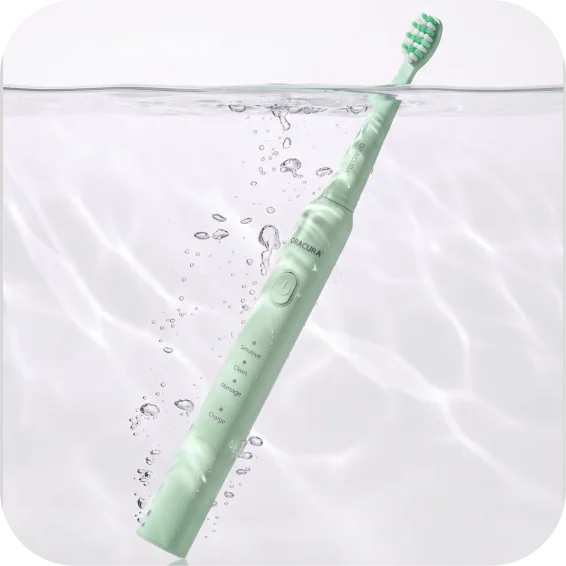
Despite daily brushing, plaque and gum issues silently threaten your smile and confidence. Oracura's dentist-trusted water flossers and sonic toothbrushes offer gentle, deep cleaning crafted for Indian homes. Paired with natural toothpaste, they ensure lasting oral health. Join 200,000+ happy users and transform your dental care for healthier teeth and gums. Shop Now!
What Makes a Toothbrush “Sonic”?
Sonic toothbrushes generate thousands of side-to-side brush strokes per minute frequently in the range of 30,000 to 62,000 movements. This intense, rapid motion doesn't just scrub; it also drives small waves of fluid (a mixture of saliva, water, and toothpaste) between teeth and along the gumline, loosening plaque even in places the bristles themselves never touch.
That hydrodynamic effect sets sonic technology apart from oscillating-rotating brushes, which rely more on rotational and pulsating action. Modern sonic models often include pressure sensors that gently alert users when they press too hard, multiple intensity settings, and timers that divide the two-minute brushing session into manageable quadrants.
The experience is surprisingly gentle yet unmistakably thorough: many first-time users describe their teeth feeling professionally cleaned right after the first session.
Understanding Plaque and Its Stubborn Nature
Plaque is a soft, sticky biofilm of bacteria that begins forming within minutes after you finish brushing. When allowed to accumulate, it mineralizes into hard tartar, inflames gum tissue, and sets the stage for cavities, gingivitis, and eventually more serious periodontal disease.
Manual brushing can remove a respectable amount of plaque if the technique is flawless two full minutes, light pressure, short strokes covering every surface. Unfortunately, real-world brushing rarely meets that ideal. Corners near the tongue, the inner surfaces of back molars, and the gum margins frequently receive less attention than they need.
That's precisely where sonic brushes change the equation. Independent clinical studies have repeatedly shown that powered brushes, and sonic designs in particular, reduce plaque more effectively than manual brushing by disrupting bacterial communities through both mechanical and fluid forces.
The Evidence Supporting Sonic Performance
Decades of randomized controlled trials point to the same conclusion: electric toothbrushes outperform manual ones in plaque and gingivitis reduction, with sonic models frequently showing an edge in reaching interproximal and subgingival areas.
Researchers have documented measurable decreases in plaque scores after only a few weeks of sonic toothbrush use. Some investigations have even isolated the fluid dynamics effect by comparing active vibration with a “sham” non-vibrating mode participants still registered better plaque removal when the characteristic high-frequency action was present.
While oscillating-rotating technology performs exceptionally well in certain head-to-head comparisons, sonic brushes often excel at non-contact cleaning and overall biofilm disruption. The practical outcome is straightforward: users consistently report smoother teeth, reduced gum tenderness, and a longer-lasting sensation of cleanliness.
Benefits That Extend Well Beyond Plaque Scores
Lower plaque levels translate directly into healthier gums less bleeding when you brush or floss, lower risk of gingivitis advancing, and in many cases a measurable improvement in periodontal pocket depths over time.
People also notice secondary perks: fresher breath that lasts longer through the day, a gradual reduction in extrinsic surface staining, and an overall brighter appearance. Individuals wearing orthodontic appliances, dental implants, crowns, or bridges particularly appreciate how effectively sonic action navigates around brackets and restorations without excessive pressure.
Which Groups Notice the Biggest Difference?
- Coffee, tea, and red-wine enthusiasts who battle extrinsic staining
- People with crowded or misaligned teeth where plaque accumulates quickly
- Anyone who occasionally skips flossing and wants to compensate with better brushing
- Older adults experiencing receding gums or reduced salivary flow
- Children and teenagers who respond positively to the gentle buzzing sensation
For all these groups, the upgrade often feels like a small daily investment that yields outsized returns in comfort and confidence.
Answering the Most Common Concerns
“Isn't that much vibration too harsh?” Today's sonic brushes include sensitive modes that lower both speed and amplitude, plus smart pressure sensors that either slow the motor or emit a visual/audible warning when force becomes excessive.
“Are they really worth the higher price tag?” When weighed against the potential cost of additional dental visits, fillings, or periodontal treatments, many users conclude that the preventive advantage pays for itself relatively quickly.
“Can't I just brush perfectly by hand?” Perfect manual technique is difficult to maintain day after day. Even highly motivated brushers usually achieve better plaque control when they add sonic vibration to their routine.
How to Choose and Use a Sonic Toothbrush for Best Results
Prioritize models featuring extra-soft or sensitive bristles, at least three brushing modes (including a gentle setting), a two-minute timer with 30-second quadrant pacing, and a visible pressure indicator. Rechargeable lithium-ion batteries and travel cases add convenience for frequent travelers.
Brushing technique is refreshingly simple: place the brush head at a 45-degree angle to the gumline, move slowly from tooth to tooth, and let the vibrations do most of the work. Follow the built-in timer rather than rushing through the routine. Replace brush heads every three months or sooner if the bristles begin to flare to maintain peak cleaning performance and hygiene.
A Practical Step Toward Lifelong Oral Health
As global awareness of preventive dental care continues to rise, tools that make daily maintenance more effective and forgiving become increasingly valuable. Recent industry analyses indicate strong consumer interest in toothbrush innovations, reflecting a broader shift toward proactive rather than reactive oral health strategies.
Sonic toothbrushes do not eliminate the need for regular professional cleanings, flossing, or balanced nutrition, but they meaningfully strengthen the single most time-consuming part of most people's oral care routine.
In busy lives filled with shortcuts and compromises, a device that quietly delivers a deeper clean with almost no additional effort deserves serious consideration. For many, that small upgrade becomes the quiet habit that keeps plaque under control and helps preserve healthy, confident smiles well into the future.
Frequently Asked Questions
How do sonic toothbrushes remove plaque more effectively than manual toothbrushes?
Sonic toothbrushes generate 30,000 to 62,000 brush strokes per minute, creating a hydrodynamic effect that drives fluid between teeth and along the gumline loosening plaque even in areas the bristles never directly touch. This combination of mechanical and fluid action disrupts bacterial biofilm far more thoroughly than manual brushing. Clinical studies consistently show that sonic toothbrushes reduce plaque and gingivitis more effectively, especially in hard-to-reach interproximal and subgingival areas.
Are sonic toothbrushes safe for sensitive teeth and gums?
Yes modern sonic toothbrushes are designed with sensitive users in mind, offering low-intensity modes that reduce both speed and amplitude for a gentler clean. Built-in smart pressure sensors automatically slow the motor or trigger a visual/audible alert if you're pressing too hard, protecting enamel and gum tissue. Users with receding gums, orthodontic appliances, or dental restorations like crowns and implants often find sonic brushes particularly effective and comfortable.
How long does it take to see results from using a sonic toothbrush?
Many first-time users notice their teeth feeling noticeably cleaner after just a single session, often describing it as a professionally cleaned feeling. Research has documented measurable reductions in plaque scores within just a few weeks of consistent use. Over time, regular sonic brushing can also lead to less gum bleeding, reduced surface staining, fresher breath, and improved periodontal health.
Disclaimer: The above helpful resources content contains personal opinions and experiences. The information provided is for general knowledge and does not constitute professional advice.
You may also be interested in: How to Reduce Plaque Buildup with the Right Tools - Oracura
Despite daily brushing, plaque and gum issues silently threaten your smile and confidence. Oracura's dentist-trusted water flossers and sonic toothbrushes offer gentle, deep cleaning crafted for Indian homes. Paired with natural toothpaste, they ensure lasting oral health. Join 200,000+ happy users and transform your dental care for healthier teeth and gums. Shop Now!
Powered by flareAI.co