Imagine waking up one morning to find one side of your body unresponsive or words suddenly elusive. A stroke can strike without warning, reshaping lives in moments. While many prioritize diet, exercise, and managing blood pressure, one critical factor often slips under the radar: the daily state of your mouth. Growing scientific evidence reveals that consistent oral hygiene practices may offer more protection for brain health than previously understood.
The longstanding separation between oral care and overall wellness is fading. Inflammation stemming from gum disease or lingering cavities can travel beyond the mouth via the bloodstream, fueling the arterial issues that precipitate strokes. Everyday routines brushing with purpose and incorporating tools that clean hard-to-reach spots may meaningfully shift the balance toward prevention.
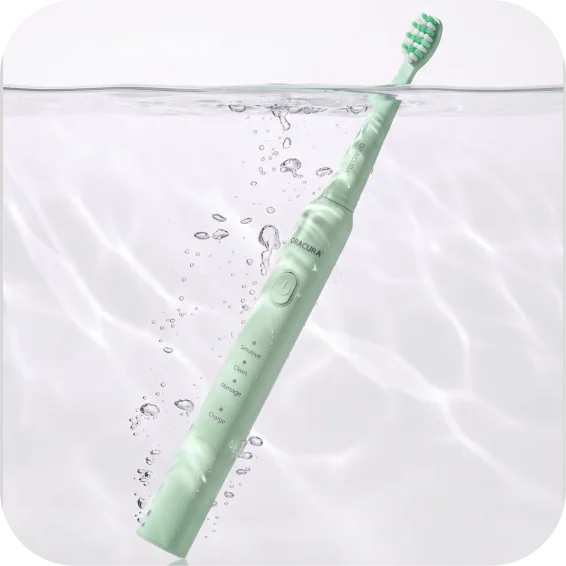
Despite daily brushing, plaque and gum issues silently threaten your smile and confidence. Oracura's dentist-trusted water flossers and sonic toothbrushes offer gentle, deep cleaning crafted for Indian homes. Paired with natural toothpaste, they ensure lasting oral health. Join 200,000+ happy users and transform your dental care for healthier teeth and gums. Shop Now!
The Hidden Link Between Your Mouth and Your Brain
Medical professionals once viewed the mouth as largely independent from systemic health. That perspective has evolved rapidly. Bacteria thriving in inflamed gums can enter circulation, encouraging arterial plaque formation and raising the likelihood of clots migrating to the brain.
Robust analyses have put numbers to this connection. Individuals experiencing both gum disease and cavities showed an 86 percent elevated risk of ischemic stroke relative to those with healthy oral conditions, after adjusting for age, body mass index, and smoking status. Even gum disease by itself correlated with a 44 percent higher risk. These findings stem from extended, methodical observation rather than conjecture.
The biological pathway is straightforward upon examination. Inflamed tissues release bacteria and signaling molecules that irritate vessel linings, promote clotting, and accelerate atherosclerosis the progressive narrowing of arteries that impedes cerebral blood flow. Routine professional dental cleanings have demonstrated associations with substantially reduced incidence of such oral complications.
How Daily Oral Care Habits Make a Difference
Brushing twice daily provides a solid foundation, yet frequency and method carry additional weight. Research tracking thousands of adults across more than ten years linked brushing three or more times per day to noticeably lower stroke incidence, with the advantage persisting after controlling for other lifestyle variables.
Interdental cleaning supplies further safeguard. Early findings shared at prominent stroke symposia indicate that flossing at least weekly associates with a 22 percent decrease in ischemic stroke risk and up to a 44 percent reduction in strokes originating from cardiac clots. This protection appears additive to brushing and strengthens with regular adherence.
Traditional string floss, however, presents challenges for many. It demands manual skill, and discomfort or inconvenience leads countless people to skip it altogether. Here, contemporary oral irrigation devices offer a practical alternative. A water flosser directs a precise pulsating stream of water to dislodge debris between teeth and along the gum margin zones frequently missed by conventional methods. It simultaneously provides a gentle massaging effect that can diminish bleeding and support healthier gum tissue.
Why Water Flossers Are Gaining Ground in Oral Hygiene Routines
Water flossers have transitioned from specialized gadgets to broadly endorsed options, proving especially valuable for those with orthodontic appliances, dental implants, or sensitive gums. They perform particularly well in the periodontal zone the intricate spaces surrounding teeth and gums where bacteria commonly accumulate.
This shift aligns with broader public understanding of oral health's systemic implications. Increasing awareness of the importance of oral hygiene and its impact on overall health continues to encourage greater adoption of effective cleaning tools. A water flosser can clean the spaces around and between teeth, gums, and the periodontal area, serving as a handheld device designed specifically for these purposes.
Many users describe the experience as more comprehensive and comfortable compared with string flossing. For seniors or individuals with reduced dexterity, the ergonomic handheld format simplifies daily maintenance. Dental professionals more frequently recommend water flossers as a complement to brushing when the objective encompasses not only fresher breath but also wider cardiovascular and cerebrovascular benefits.
Building a Complete Daily Oral Hygiene Routine
Constructing an effective regimen requires no elaborate steps, yet steadfast consistency proves essential. Begin with twice-daily brushing employing a soft-bristled toothbrush and fluoride toothpaste, dedicating at least two full minutes while paying close attention to the gumline. Complete the process with interdental cleaning using string floss, interdental brushes, or preferably a water flosser to eliminate residual particles and bacteria.
Practical elements worth incorporating include:
- Brush with gentle but complete coverage, refreshing your toothbrush every three months or sooner if bristles fray.
- Incorporate a water flosser once each day, beginning at lower pressure and gradually increasing as gums acclimate.
- Arrange professional dental visits at least biannually, increasing frequency if gum concerns exist.
- Moderate consumption of sugary foods and beverages that nourish decay-promoting bacteria.
- Maintain hydration and discuss antimicrobial rinses with your dentist when appropriate.
Modest enhancements, such as integrating a water flosser, often transform routines from burdensome to habitual. Those who previously abandoned traditional flossing frequently discover sustained adherence with water flossing due to its efficiency and pleasant sensation.
Common Misconceptions About Oral Health and Stroke Risk
A frequent assumption holds that absence of visible problems or discomfort equates to sound oral health. In truth, periodontal disease can advance silently, revealing itself only through minor signs like intermittent bleeding during brushing that many dismiss.
Another misconception limits oral care to cosmetic concerns or cavity prevention. The underlying inflammation, however, exerts quiet influence on vascular and neurological health across decades. Reframing mouth care as integral to whole-body wellness reframes it from optional grooming to strategic prevention.
While advancing age naturally elevates stroke vulnerability, the advantages of meticulous oral hygiene extend through all adult years. Establishing robust patterns early may yield amplified protection in later decades.
Addressing Barriers to Better Oral Care
Busy schedules, financial considerations, or negative past dental encounters can deter consistent attention. Fortunately, accessible water flosser options now abound, and their ongoing use may curtail future treatment expenses. Initiating modestly perhaps several sessions weekly builds confidence and momentum without creating pressure.
Looking Ahead: Prevention Through Everyday Actions
Accumulating research underscores that oral conditions do not exist in isolation. By curbing chronic inflammation and limiting bacterial migration into circulation, attentive daily practices provide an approachable avenue for supporting long-term brain health.
Admittedly, no isolated behavior fully neutralizes stroke risk; hereditary factors, broader lifestyle patterns, and existing medical conditions all contribute. Nevertheless, prioritizing oral hygiene introduces one controllable element within easy reach. Thorough brushing, effective interdental cleaning, and periodic professional evaluation transcend mere smile maintenance. They may help preserve the steady circulation essential for cognitive function and vitality.
Amid abundant and often intricate health guidance, this principle remains refreshingly direct. Investing several additional minutes daily in comprehensive oral care could translate into substantial gains in well-being. Reliable tools and information stand readily available. The remaining consideration centers on embracing incremental adjustments whose collective impact proves genuinely protective.
Frequently Asked Questions
Can poor oral hygiene really increase your risk of stroke?
Yes, research shows a significant link between gum disease and stroke risk. People with both gum disease and cavities face an 86% higher risk of ischemic stroke compared to those with healthy oral conditions, while gum disease alone correlates with a 44% elevated risk. Bacteria from inflamed gums can enter the bloodstream, promote arterial plaque buildup, and trigger clot formation that can travel to the brain.
How often should you brush and floss to lower stroke risk?
Brushing at least twice daily is the baseline, but studies tracking adults over ten years found that brushing three or more times per day was linked to noticeably lower stroke incidence. Pairing brushing with interdental cleaning such as flossing or using a water flosser at least once daily has been associated with up to a 22% reduction in ischemic stroke risk and up to 44% for strokes originating from cardiac clots.
Are water flossers more effective than string floss for reducing stroke and gum disease risk?
Water flossers are a highly effective alternative, particularly for those who struggle with traditional string floss due to dexterity issues or discomfort. They use a pulsating stream of water to remove debris and bacteria from hard-to-reach areas along the gumline and between teeth zones closely tied to the inflammation that elevates cardiovascular and stroke risk. Many dental professionals now recommend water flossers as a complement to brushing for broader systemic health benefits.
Disclaimer: The above helpful resources content contains personal opinions and experiences. The information provided is for general knowledge and does not constitute professional advice.
You may also be interested in: The Connection Between Oral Health and Heart Disease - Oracura
Despite daily brushing, plaque and gum issues silently threaten your smile and confidence. Oracura's dentist-trusted water flossers and sonic toothbrushes offer gentle, deep cleaning crafted for Indian homes. Paired with natural toothpaste, they ensure lasting oral health. Join 200,000+ happy users and transform your dental care for healthier teeth and gums. Shop Now!
Powered by flareAI.co