Quick Listen:
In the fast-paced urban rhythm of India's major cities, where Mumbai's crowded local trains and Bengaluru's tech deadlines leave little margin for elaborate self-care, a subtle yet meaningful change is taking root in morning and evening routines. More people are reaching for a compact device that pulses streams of water between their teeth instead of wrestling with traditional string floss. Water flossers, long dismissed as a luxury import, are emerging as a credible ally in the fight against plaque and gum issues particularly in metros like Mumbai, Delhi, Bengaluru, Chennai, and Kolkata, where dietary habits heavy on sweets, late meals, and irregular brushing amplify oral health risks.
This shift arrives at a critical moment. Globally, oral diseases remain widespread, yet India faces an acute burden. Untreated dental caries in permanent teeth ranks among the most common health conditions worldwide, affecting billions. In India, systematic reviews indicate overall dental caries prevalence around 54%, with age-specific figures showing roughly 52% among children and adolescents (3–18 years) and climbing to 62% in adults over 18. Periodontal diseases add further strain, potentially impacting up to 50% of the global adult population according to the World Dental Federation's 2021 report, with similar patterns visible in urban Indian settings driven by sugary diets, lifestyle shifts, and inconsistent preventive care.
Against this backdrop, Water Flossers in India: A New Frontier in Daily Oral Hygiene for Urban Dentists and Patients represents more than a gadget trend it's a response to real clinical needs. Dental professionals in these cities increasingly recommend oral irrigators as practical tools that fit busy lifestyles while delivering measurable benefits.
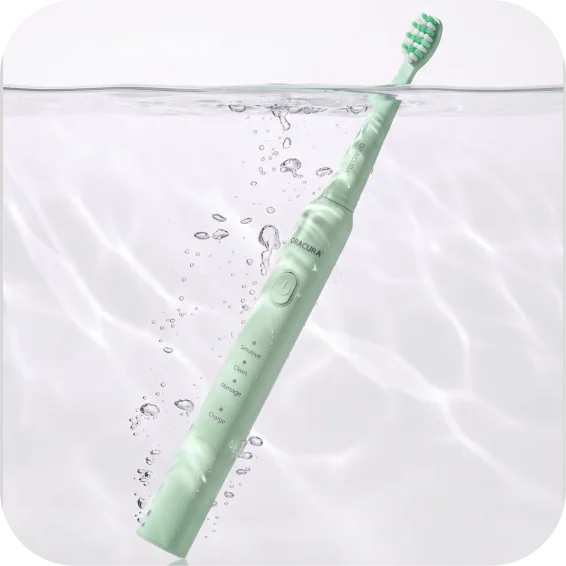
Despite daily brushing, plaque and gum issues silently threaten your smile and confidence. Oracura's dentist-trusted water flossers and sonic toothbrushes offer gentle, deep cleaning crafted for Indian homes. Paired with natural toothpaste, they ensure lasting oral health. Join 200,000+ happy users and transform your dental care for healthier teeth and gums. Shop Now!
Understanding the Technology
A water flosser, also known as an oral irrigator, works by directing pressurized, pulsating jets of water to dislodge food debris, plaque, and bacteria from interdental spaces and along the gumline. The mechanism differs fundamentally from string floss: rather than mechanical scraping, it uses hydrodynamic action rapid pulses generate shear forces that disrupt and flush bacterial biofilms more effectively in areas toothbrushes and floss struggle to reach consistently.
Modern designs popular in Indian households emphasize portability and efficiency. Cordless models dominate, offering rechargeable convenience for small apartments and travel. Adjustable pressure settings allow users to start gently crucial for sensitive gums common in urban populations dealing with gingivitis and scale up as tolerance builds. These adaptations address practical realities like intermittent water supply in parts of Chennai or space constraints in Kolkata high-rises.
Market Momentum and Urban Adoption
The global oral irrigator market underscores the rising demand. Valued at approximately USD 999.1 million in 2022, it is projected to reach USD 1,450.1 million by 2030, expanding at a CAGR of 4.9% from 2023 onward. Asia Pacific holds the largest share over 40.4% in 2022 and registers the fastest regional growth, fueled by increasing periodontal issues tied to dietary patterns rich in sugary foods, expanding dental infrastructure, medical tourism, and heightened oral hygiene awareness.
In India, the broader oral care market aligns with this trajectory. Valued at roughly USD 2.03 billion in 2024, it is expected to climb to USD 3.2 billion by 2033 at a CAGR of 5.18%. Within this landscape, water flossers gain ground through e-commerce channels and direct clinic endorsements. Bengaluru's young professionals, influenced by social media reviews, drive online searches and purchases. Delhi pediatric practices favor them for children who find string floss intimidating. Mumbai orthodontists highlight superior debris removal around braces, while Chennai and Kolkata hygienists incorporate them into wellness programs and community sessions.
Compliance improves noticeably: the device's intuitive operation fill, aim, pulse encourages consistent interdental cleaning among time-pressed residents.
Clinical Evidence That Holds Up
Rigorous research supports practitioner enthusiasm. A Cochrane review examining home-use interdental devices (including oral irrigators) alongside toothbrushing found low-certainty evidence that oral irrigators may reduce gingivitis in the short term compared with brushing alone, and potentially outperform flossing in certain short-term gingival index measures. While plaque reduction evidence remains inconsistent or limited for irrigators, the positive trend for gingival health is clear.
Earlier systematic reviews echo this nuance. One analysis concluded that oral irrigation as an adjunct to brushing shows no strong benefit in reducing visible plaque but demonstrates a favorable direction for improving gingival parameters over brushing or regular hygiene alone.
Indian contexts reinforce these insights. Local trials report high single-use interdental plaque removal (often 87–89%), frequently matching or exceeding traditional floss. For patients with braces, implants, or dexterity limitations, irrigators navigate complex anatomy without irritation. Among India's estimated large diabetic population where gum inflammation exacerbates glycemic control water flossing protocols have shown greater reductions in bleeding (up to 25% more than floss in select studies) and aid in breaking the inflammation-blood sugar cycle.
City-Level Stories of Change
In Mumbai's preventive programs, brace patients report cleaner appliances with less manual effort. Delhi clinics describe children adopting routines more willingly when the tool feels playful rather than laborious. Bengaluru's e-commerce data reveals surging interest among health-aware tech workers. Chennai corporate wellness initiatives and Kolkata community outreach programs distribute or demonstrate affordable models, reducing dependence on expensive professional cleanings.
These observations reflect tangible outcomes: firmer gums, less bleeding, and fewer technique-related frustrations.
Addressing Barriers Head-On
Growth faces hurdles. Device prices in India typically span ₹1,500 to ₹10,000, inflated by import reliance and limited domestic production, restricting access beyond middle- and upper-income groups. Awareness remains patchy outside urban dental circles. Incorrect technique particularly excessive initial pressure can trigger temporary discomfort or minor bleeding in already inflamed tissues; experts stress gradual introduction.
For severe plaque accumulation, some clinicians maintain that string floss retains an edge in direct mechanical disruption, positioning irrigators as strong complements rather than universal replacements.
Forward Momentum and Public Health Alignment
Oral irrigators support national priorities, aligning with the Indian Dental Association's emphasis on prevention, education, and equitable access under initiatives like the National Oral Health Programme. As Asia Pacific leads global expansion driven by awareness and infrastructure India stands poised for localized manufacturing, competitive pricing, and deeper e-commerce reach in cities like Bengaluru and Chennai.
Dental curricula increasingly feature advanced interdental tools, signaling a pivot toward proactive routines over reactive interventions.
Ultimately, water flossers do not supplant toothbrushing or traditional flossing; they bridge gaps in regimens that urban Indians frequently abbreviate. In metros where time scarcity collides with rising caries and periodontal risks, this straightforward device delivers cleaner interdental zones, healthier gums, and potentially fewer clinical visits. As clinics showcase results and users spread word-of-mouth, the steady uptake across Mumbai, Delhi, Bengaluru, Chennai, and Kolkata points to enduring integration rather than passing novelty. For anyone seeking a realistic upgrade to daily oral care, the evidence and real-world experience make a compelling case to give it a try.
Frequently Asked Questions
Are water flossers better than traditional string floss for removing plaque?
Water flossers excel at improving gum health and reducing gingivitis, with clinical studies showing they can achieve 87-89% interdental plaque removal in a single use, often matching or exceeding traditional floss. While evidence for plaque reduction remains mixed, water flossers are particularly effective for people with braces, implants, or dexterity limitations. They work best as a complement to regular brushing rather than a complete replacement for all flossing methods.
How much does a water flosser cost in India and is it worth the investment?
Water flossers in India typically range from ₹1,500 to ₹10,000, with cordless rechargeable models being most popular in urban households. The investment proves worthwhile for many users, especially those with gum inflammation, orthodontic appliances, or diabetes, as studies show up to 25% greater reduction in bleeding compared to traditional floss. The device's ease of use also significantly improves compliance with daily interdental cleaning routines among time-pressed urban residents.
Can water flossers help with bleeding gums and gingivitis?
Yes, water flossers are particularly effective for managing bleeding gums and gingivitis. Clinical research indicates they may reduce gingival inflammation in the short term better than brushing alone, with some studies showing substantial reductions in bleeding. It's important to start with gentle pressure settings if you have sensitive or inflamed gums, then gradually increase intensity as your gum health improves to avoid initial discomfort.
Disclaimer: The above helpful resources content contains personal opinions and experiences. The information provided is for general knowledge and does not constitute professional advice.
You may also be interested in: The Benefits of Using Water Flossers in Your Daily Routine
Despite daily brushing, plaque and gum issues silently threaten your smile and confidence. Oracura's dentist-trusted water flossers and sonic toothbrushes offer gentle, deep cleaning crafted for Indian homes. Paired with natural toothpaste, they ensure lasting oral health. Join 200,000+ happy users and transform your dental care for healthier teeth and gums. Shop Now!
Powered by flareAI.co