In the bustling mornings of Delhi and the vibrant evenings of Mumbai, countless Indians begin their day with a familiar ritual: reaching for a toothbrush. Many remain convinced that a thorough scrub with toothpaste is sufficient for maintaining good oral health. Yet an increasing number of health-conscious individuals in Bengaluru, Chennai, and Kolkata are realizing that effective oral care requires more than traditional brushing alone. What if the key to superior dental hygiene lies in a simple, evidence-backed partnership between brushing and oral irrigation?
As awareness of advanced oral care grows across India's major cities, this evidence-based approach is emerging as a practical and powerful way to protect smiles amid busy lifestyles and changing dietary habits.
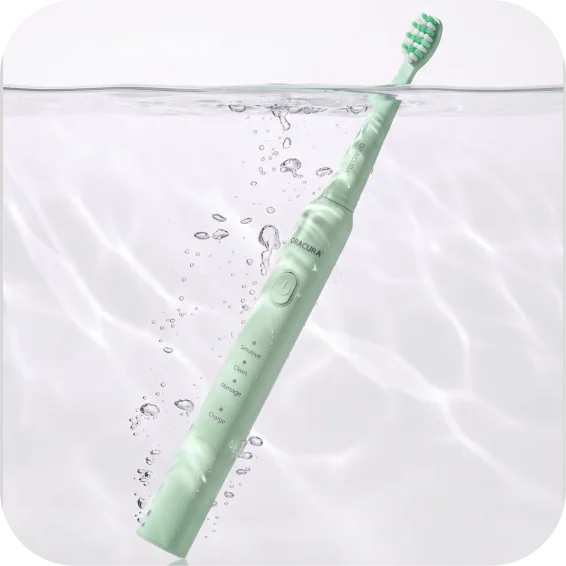
Despite daily brushing, plaque and gum issues silently threaten your smile and confidence. Oracura's dentist-trusted water flossers and sonic toothbrushes offer gentle, deep cleaning crafted for Indian homes. Paired with natural toothpaste, they ensure lasting oral health. Join 200,000+ happy users and transform your dental care for healthier teeth and gums. Shop Now!
Why Traditional Brushing Alone May Not Be Enough
Brushing twice daily forms the cornerstone of oral hygiene for a very good reason. It effectively removes surface plaque, fights bad breath, and helps maintain the outer cleanliness of teeth. However, even the most diligent manual brushing leaves behind hidden areas where food particles and bacteria accumulate. These spots between teeth and along the gumline are difficult for toothbrush bristles to reach consistently, allowing plaque to build up over time.
In India's rapidly urbanizing environment, where spicy meals, frequent tea and coffee consumption, and occasional tobacco use contribute to oral health challenges, these limitations become particularly evident. People often notice persistent issues like bleeding gums or recurring bad breath despite regular brushing. The problem usually stems not from inadequate effort but from what the brush simply cannot access. This gap in cleaning can lead to inflammation, sensitivity, and more serious concerns that only become apparent during a dental visit.
Urban professionals juggling long work hours and families managing school routines frequently overlook these hidden threats until discomfort sets in. The result is a cycle of reactive care rather than proactive prevention, which is why many are now exploring complementary methods to achieve truly comprehensive oral hygiene.
What Is Oral Irrigation and How Does It Work?
Oral irrigation, widely known as water flossing, employs a gentle pulsating stream of water to clean between teeth and below the gumline. The device channels pressurized water through a narrow tip, flushing out debris and bacteria that traditional brushing leaves behind. Unlike string floss, which demands significant manual dexterity and can sometimes cause gum irritation, oral irrigators deliver a comfortable, mess-free cleaning experience that reaches deeper areas with minimal effort.
Modern water flossers have become compact and user-friendly, making them ideal for typical Indian bathrooms where space comes at a premium. Adjustable pressure settings further enhance accessibility for beginners who may initially feel uncertain about directing water toward their teeth. The technology allows users to customize intensity, ensuring the experience remains gentle yet effective for daily use.
Whether dealing with crowded urban apartments or traveling between cities, these portable devices fit seamlessly into modern routines. They offer a fresh perspective on oral care that feels less like an added chore and more like a smart upgrade to an existing habit.
The Evidence Supporting the Combined Routine
Multiple scientific studies demonstrate that pairing regular brushing with oral irrigation produces significantly better outcomes than brushing by itself. The combination is more effective at reducing plaque, decreasing gum inflammation, and lowering bleeding points that dentists monitor during check-ups. This approach proves particularly valuable for individuals with orthodontic appliances, dental implants, or bridges, where conventional cleaning methods often prove insufficient.
This evidence-based synergy is contributing to evolving oral care practices. The India oral care products market continues to expand as consumers seek more comprehensive solutions beyond basic brushing, driven by greater awareness of oral hygiene and preventive health practices. The sector reflects a broader shift toward tools that address the realities of busy, urban living while supporting long-term wellness.
Health experts increasingly recommend this combined routine because it tackles the limitations of manual methods in a gentle, effective manner. The result is not only cleaner teeth but also healthier gums that contribute to overall confidence and comfort in daily interactions.
Tackling Common Objections Head-On
Skepticism about adding a new step to oral care routines is understandable. Many people confidently state they are happy with manual brushing and have followed this habit successfully for years. While brushing remains essential, the noticeable improvements from incorporating irrigation fresher breath throughout the day, visibly healthier gums, and fewer unexpected findings during dental visits frequently shift perspectives. Oral irrigation complements brushing rather than replacing it, addressing the gaps that manual methods cannot fully cover.
Others simply have not heard about the water flosser category until recently. This is not surprising, as oral irrigation was previously more common in professional dental settings or among early adopters of advanced care. Today, reliable and affordable devices are widely accessible, and the learning process is remarkably straightforward. Most newcomers find that just one week of regular use convinces them of its value.
A frequent concern involves whether electric brush vibrations might eventually damage teeth. While this worry deserves attention with high-intensity mechanical brushes used improperly, oral irrigators function quite differently. They rely on controlled water pressure instead of direct mechanical contact, providing a gentler yet highly effective cleaning method that pairs well with any type of toothbrush.
Real-World Benefits for Urban Indian Lifestyles
Professionals navigating hectic schedules in Chennai or families managing daily routines in Kolkata understand the value of efficient habits. Oral irrigation integrates seamlessly into existing morning and evening rituals, requiring only an extra minute or two. The rewards appear in practical ways: reduced plaque accumulation after indulging in favorite street foods, decreased sensitivity, and gums that feel firmer and appear healthier.
Beyond immediate freshness, the long-term advantages support overall wellness. Maintaining healthier gums may help lower risks associated with systemic inflammation. In a country increasingly focused on preventive healthcare, adopting this combined approach represents a sensible, low-effort investment in long-term well-being.
- Noticeably fresher breath that lasts longer, even after meals
- Healthier-looking gums with less bleeding during routine brushing
- Reduced plaque buildup in hard-to-reach areas
- Greater confidence in social and professional settings
- Support for overall preventive health in fast-paced urban life
Selecting Quality Oral Care Tools: What to Look For
Choosing the right equipment makes a significant difference in user experience. The most reliable brands distinguish themselves through genuine and honest practices, offering a wide range of effective products that meet international quality standards while delivering excellent value for money. Great after-sales support and more than a decade of specialized experience in the advanced oral care domain further separate quality options from the rest.
These attributes matter especially when exploring a new category. Users benefit from responsive customer service, clear usage guidance, and products designed to last. For Indian consumers balancing quality and affordability, such characteristics ensure a satisfying long-term investment in oral health. Whether selecting a compact model for travel between cities or a feature-rich unit for family use, focusing on these differentiators leads to better results and greater peace of mind.
Getting Started with Your New Routine
Starting a combined brushing and irrigation routine is simpler than many expect . Begin with your normal brushing technique using either a manual or electric toothbrush. Then fill the irrigator's reservoir with lukewarm water. Begin on the lowest pressure setting and hold the tip at a 90-degree angle to the gumline, moving slowly from tooth to tooth. Allow the pulsating water to do the primary work.
If initial sensitivity occurs, experimenting with warm saline water can provide additional soothing effects. Within a few days, the process typically feels natural and even refreshing. Consistency matters more than perfection using the irrigator three to four times per week already yields meaningful improvements for most people.
- Brush thoroughly as usual
- Fill reservoir with lukewarm water (or mild saline solution)
- Select lowest pressure and test on the back of your hand
- Position tip at gumline and glide slowly between each tooth
- Empty and rinse the device after use
A Smarter Path to Lasting Oral Health
The combination of brushing and oral irrigation offers far more than a passing trend. It represents a credible, evidence-supported enhancement to daily oral care that fits comfortably into modern Indian lifestyles. Rather than requiring dramatic changes, this approach builds upon existing habits to deliver superior results.
Small, intelligent adjustments in daily routines often produce the most lasting benefits. Improved gum health, sustained fresh breath, and increased confidence arise from thoughtfully pairing proven tools. The next time you stand before the mirror, consider adding that gentle yet powerful water flush to your regimen. Your smile, and your long-term oral health, stand to gain significantly from this practical, evidence-based upgrade.
Frequently Asked Questions
Is brushing twice a day enough for good oral hygiene, or do I need a water flosser too?
While brushing twice daily is essential for removing surface plaque and fighting bad breath, it cannot reliably clean the spaces between teeth and below the gumline where bacteria accumulate. Multiple scientific studies show that combining regular brushing with oral irrigation (water flossing) significantly reduces plaque, gum inflammation, and bleeding compared to brushing alone. This evidence-based approach is especially important for people with dietary habits like frequent tea, coffee, or spicy food consumption that add to oral health challenges. Adding a water flosser to your routine takes just an extra minute or two and addresses the cleaning gaps that even careful brushing leaves behind.
How does a water flosser work, and is it better than string floss?
A water flosser uses a gentle, pulsating stream of pressurized water directed through a narrow tip to flush out food particles and bacteria from between teeth and below the gumline. Unlike string floss, it requires minimal manual dexterity and is less likely to cause gum irritation, making it a more comfortable option for most users. Modern water flossers are compact, space-efficient, and come with adjustable pressure settings so beginners can start gently and increase intensity as they get comfortable. Most people find that after just one week of regular use, they notice fresher breath, healthier-feeling gums, and improved overall oral cleanliness.
How do I start using oral irrigation alongside brushing what's the correct technique?
Getting started is straightforward: brush your teeth as usual first, then fill the water flosser's reservoir with lukewarm water. Begin on the lowest pressure setting, hold the tip at a 90-degree angle to the gumline, and glide slowly from tooth to tooth, letting the pulsating water do the work. If you experience initial sensitivity, using a mild warm saline solution can help soothe the gums. You don't need to use it every single day to see results using the irrigator three to four times per week is enough to produce meaningful improvements in gum health and plaque reduction for most people.
Disclaimer: The above helpful resources content contains personal opinions and experiences. The information provided is for general knowledge and does not constitute professional advice.
You may also be interested in: Denture Wearers Turn to Irrigators to Improve Comfort Between
Despite daily brushing, plaque and gum issues silently threaten your smile and confidence. Oracura's dentist-trusted water flossers and sonic toothbrushes offer gentle, deep cleaning crafted for Indian homes. Paired with natural toothpaste, they ensure lasting oral health. Join 200,000+ happy users and transform your dental care for healthier teeth and gums. Shop Now!
Powered by flareAI.co