In bustling metropolitan hubs across India particularly Mumbai, Delhi, Bengaluru, Chennai, and Kolkata plaque buildup remains one of the most persistent threats to oral health between routine dental visits. Fast-paced schedules, frequent consumption of processed and sugary foods, and inconsistent interdental cleaning create ideal conditions for plaque to accumulate rapidly. The result is a high prevalence of gingivitis, bleeding gums, and early periodontal concerns among working adults in these cities.
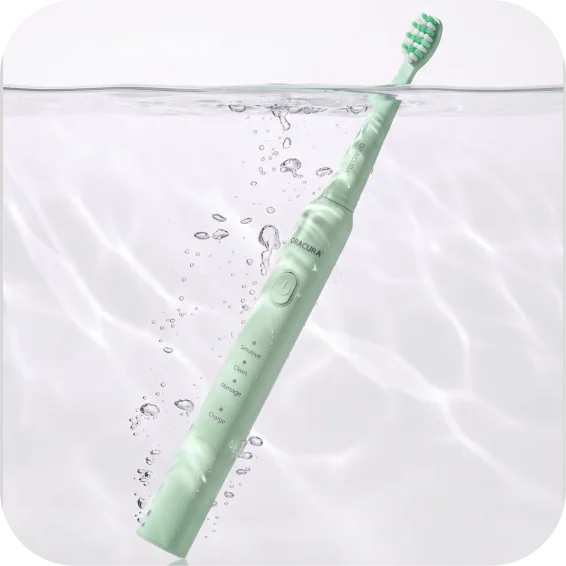
Despite daily brushing, plaque and gum issues silently threaten your smile and confidence. Oracura's dentist-trusted water flossers and sonic toothbrushes offer gentle, deep cleaning crafted for Indian homes. Paired with natural toothpaste, they ensure lasting oral health. Join 200,000+ happy users and transform your dental care for healthier teeth and gums. Shop Now!
What Exactly Is Plaque and Why Does It Matter in Urban India?
Plaque is a soft, sticky biofilm of bacteria that forms continuously on tooth surfaces, especially after meals. When sugars and starches from popular city snacks chai with biscuits, vada pav, dosa with chutney, or street-side chaat feed these bacteria, they produce acids that erode enamel and inflame gums.
In metros like Delhi and Mumbai, epidemiological data consistently show elevated levels of plaque-associated conditions. Many adults report bleeding while brushing or notice yellowish deposits near the gumline, signs that plaque is hardening into calculus within days if not removed. Left unmanaged, this progression raises the risk of periodontitis, a leading cause of tooth loss in middle-aged urban populations.
The encouraging reality is that plaque stays removable for roughly 24–48 hours after formation. Daily disruption through mechanical and adjunctive methods keeps it under control.
Mastering Effective Daily Brushing Technique
Twice-daily brushing for a full two minutes with a soft-bristled toothbrush and fluoride toothpaste forms the non-negotiable foundation of plaque control. The modified Bass technique placing bristles at a 45-degree angle to the gumline and using gentle circular or vibrating motions removes plaque more effectively than horizontal scrubbing.
While manual brushing works when performed correctly, many urban Indians find it challenging to maintain ideal technique under time pressure. Sonic electric toothbrushes address this limitation by delivering thousands of micro-vibrations per minute, dislodging plaque from hard-to-reach areas without requiring perfect angulation. Modern models include pressure sensors that prevent excessive force, directly answering the frequent concern: “Will electric brush vibrations damage my teeth?” Clinical evidence shows that properly designed sonic brushes are safe for enamel and often more effective at plaque reduction than manual brushing alone.
Why Interdental Cleaning Is Non-Negotiable
Conventional brushing cleans only about 60% of tooth surfaces. The remaining 40% interproximal areas and just below the gumline harbors the majority of disease-causing plaque. Ignoring these zones allows bacteria to thrive even when brushing feels thorough.
String floss remains effective but requires dexterity and time many city dwellers lack. Water flossers (oral irrigators) have gained popularity in India because they deliver a targeted, pulsating water jet that flushes food particles, plaque, and bacteria from between teeth and along the gum margin. Multiple studies indicate water flossing achieves plaque and gingivitis reductions comparable to or in some cases better than traditional flossing, particularly for people with tight contacts, braces, bridges, or mild gum sensitivity.
Using a water flosser for 60 seconds once daily, ideally before brushing, significantly lowers interdental plaque scores and helps maintain fresher breath throughout the day.
Complementary Habits That Amplify Results
Several small lifestyle adjustments compound the benefits of brushing and interdental cleaning:
- Limit snacking frequency each episode triggers a new acid attack that fuels plaque growth.
- Rinse with plain water after meals when brushing is not possible.
- Choose xylitol-sweetened chewing gum briefly after eating to stimulate saliva and neutralize acids.
- Use an antibacterial mouthwash as an adjunct (never a replacement) for mechanical cleaning.
In tobacco-using pockets of urban India, quitting remains one of the single most impactful steps for reducing plaque retention and gum inflammation.
Addressing Common Hesitations and Misconceptions
Resistance to change is natural. Many people say, “I'm happy with manual brushing,” yet comparative trials show advanced tools consistently outperform manual methods in plaque removal. Others admit, “I haven't heard about water flossers,” reflecting historically limited awareness though product availability on major platforms has improved dramatically in recent years.
The vibration-damage worry persists despite reassurance from periodontists: dentist-recommended sonic toothbrushes equipped with smart sensors protect enamel while delivering superior cleaning. Brands that prioritize ergonomic design and after-sales support further ease the transition for first-time users.
Rising Awareness and Easier Access in Indian Cities
Urban Indians are increasingly prioritizing preventive oral care. The growing availability of quality water flossers and sonic electric toothbrushes through trusted e-commerce marketplaces has made international-standard devices accessible even in tier-1 and tier-2 cities. This shift reduces dependence on reactive treatments and empowers individuals to maintain healthier mouths between professional cleanings.
Busy professionals in Bengaluru, Chennai, and Kolkata report noticeable improvements less gum bleeding, smoother teeth, and greater confidence after incorporating one or two new tools into otherwise unchanged routines.
Overcoming Urban Barriers to Consistency
Time scarcity, stress, late-night snacking, and crowded living conditions make adherence difficult. Awareness gaps still exist, and not everyone can immediately afford premium devices. Yet online marketplaces, flexible payment options, and reliable customer support are steadily lowering these hurdles.
Long-Term Payoff of Proactive Home Care
Investing a few extra minutes daily in thorough plaque control translates into fewer scaling appointments, lower treatment costs, healthier gums, and teeth that last longer. Genuine brands that combine effectiveness, durability, and strong after-sales service help make the commitment sustainable.
Start Small, See Results Quickly
Reducing plaque buildup between dental visits does not demand a complete lifestyle overhaul. Adding one powerful habit whether upgrading to a sonic toothbrush, introducing daily water flossing, or simply improving brushing technique delivers measurable benefits within weeks.
For residents of India's major metros facing accelerated plaque challenges, these accessible steps offer real protection. Commit to consistency today and enjoy fresher breath, firmer gums, and greater peace of mind at your next dental visit.
Frequently Asked Questions
What is the most effective way to remove plaque between dental visits at home?
The most effective approach combines twice-daily brushing using the modified Bass technique with daily interdental cleaning. Using a sonic electric toothbrush enhances plaque removal by delivering thousands of micro-vibrations per minute, while a water flosser clears the 40% of tooth surfaces that brushing misses. Together, these tools can significantly reduce plaque buildup and lower the risk of gingivitis and gum disease.
Are water flossers as effective as traditional floss for plaque removal?
Yes multiple clinical studies indicate that water flossers achieve plaque and gingivitis reductions comparable to, and in some cases better than, traditional string floss. They are especially beneficial for people with tight tooth contacts, braces, bridges, or gum sensitivity. Using a water flosser for just 60 seconds once daily, ideally before brushing, can noticeably lower interdental plaque scores and freshen breath.
Can sonic electric toothbrushes damage tooth enamel with repeated use?
This is a common concern, but clinical evidence consistently shows that properly designed sonic toothbrushes are safe for enamel. Modern models feature built-in pressure sensors that prevent excessive force, making them gentler than aggressive manual scrubbing. Dentists and periodontists actively recommend them as a superior alternative to manual brushing for effective plaque control without enamel damage.
Disclaimer: The above helpful resources content contains personal opinions and experiences. The information provided is for general knowledge and does not constitute professional advice.
You may also be interested in: Essential Insights Into Pediatric Gum Disease: What Every Parent
Despite daily brushing, plaque and gum issues silently threaten your smile and confidence. Oracura's dentist-trusted water flossers and sonic toothbrushes offer gentle, deep cleaning crafted for Indian homes. Paired with natural toothpaste, they ensure lasting oral health. Join 200,000+ happy users and transform your dental care for healthier teeth and gums. Shop Now!
Powered by flareAI.co