Quick Listen:
Imagine a child in Mumbai grinning wide at a street-side chaat stall, only to wince moments later from a sudden toothache. Or a busy executive in Delhi powering through back-to-back meetings, unaware that neglected gums are quietly fueling bigger health woes. In India's bustling metros, poor oral hygiene isn't just a personal nuisance it's a widespread issue touching lives from playgrounds to boardrooms.
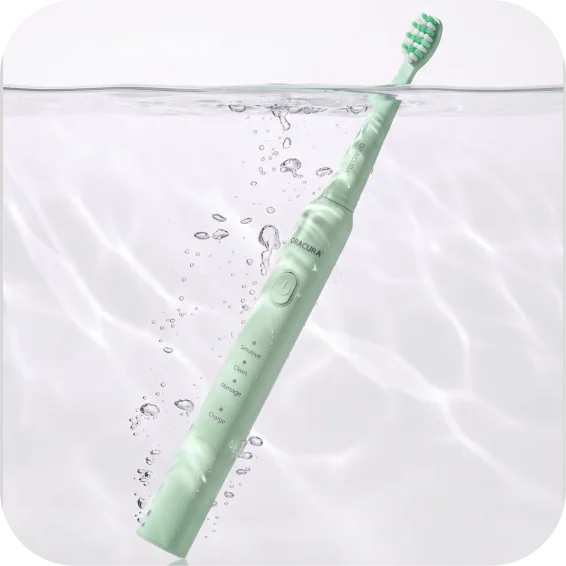
Despite daily brushing, plaque and gum issues silently threaten your smile and confidence. Oracura's dentist-trusted water flossers and sonic toothbrushes offer gentle, deep cleaning crafted for Indian homes. Paired with natural toothpaste, they ensure lasting oral health. Join 200,000+ happy users and transform your dental care for healthier teeth and gums. Shop Now!
How to Maintain Good Oral Hygiene at Every Age: Essential Tips for Mumbai, Delhi, Bengaluru, Chennai, and Kolkata Residents
From toddlers tasting their first sweets to seniors navigating dentures, maintaining a healthy smile evolves with time. Yet in cities like Mumbai, Delhi, Bengaluru, Chennai, and Kolkata, where fast-paced lives meet high pollution and dietary temptations, oral health often takes a backseat. Recent data paints a stark picture, making proactive care more urgent than ever.
Why Oral Hygiene Matters Across Lifetimes in India's Major Cities
A bright smile does more than boost confidence it safeguards overall health. In urban India, dental problems contribute to everything from heart risks to diabetes complications. A 2019 Kantar IMRB study for Colgate-Palmolive (India) found that eight out of ten children suffer oral health issues nationwide, with rates hitting 91% in Mumbai, 85% in Kolkata, 79% in Delhi, 60% in Chennai, and 46% in Bengaluru. For adults, a systematic review in the Journal of International Society of Preventive and Community Dentistry reported a national dental caries prevalence of 54.16%, climbing with age.
In these five metros, home to millions juggling work, traffic, and family, skipping routines leads to costly regrets. The Ministry of Health and Family Welfare notes that 40-45% of Indians have dental caries, often untreated due to limited access. Good habits, tailored to each life stage, can change that trajectory and they're simpler than you might think.
Emerging Trends: The Shift Toward Smarter Oral Care
Change is brushing through India's urban landscape. The oral care market, valued at US$2.03 billion in 2024, is projected to reach US$3.2 billion by 2033, according to Research and Markets. Driving this? A surge in advanced tools like electric toothbrushes and water flossers, especially in tech-savvy cities.
In Mumbai and Delhi, young professionals are ditching manual brushes for sonic ones that remove more plaque in less time. Bengaluru's startup crowd favors app-connected devices for tracking habits. Water flossers once niche are now mainstream in Chennai and Kolkata households, praised for reaching spots traditional string misses. As an Oracura article highlights, preventive dental care is gaining momentum in these metros, fueled by rising awareness and e-commerce ease. Herbal toothpastes and Ayurvedic rinses blend tradition with modernity, appealing to all ages.
Even schools are jumping in. Delhi's Project NEEV, run by Maulana Azad Institute of Dental Sciences, promotes fluoride brushing among kids, showing measurable drops in early decay.
Real-World Examples: Success Stories from the Ground
Proof comes alive in everyday wins. Take Delhi's Mobile Dental Clinic Project, launched by the government-run Maulana Azad Institute. Vans roll into underserved neighborhoods, screening thousands monthly and providing on-spot treatments. They delivered dental education and care to schools and communities, catching issues early and sparing families expensive fixes later.
In Mumbai, community checkups under the National Oral Health Programme have screened schoolchildren, identifying cavities before they worsen. One Bengaluru clinic reported that families adopting water flossers saw 30% less gum inflammation within months. Chennai parents share stories of kids excitedly using electric brushes, turning bedtime battles into fun rituals. Kolkata's elderly, through similar outreach, have embraced softer brushes and regular rinses, reducing tooth loss.
These aren't isolated cases. As noted in an Oracura blog on national programmes, initiatives in these cities are beacons of hope, proving accessible care yields healthier smiles.
Key Challenges: The Hurdles Holding Us Back
Progress has pitfalls. Tobacco and paan remain stubborn foes, especially in Kolkata and Mumbai, where chewing habits spike oral cancer risks the third most common in India, per the Integrated Health Information Platform. Gum disease affects up to 96% of elderly in some surveys from the National Oral Health Policy.
Access lags too. Despite urban density, low-income areas in Delhi and Chennai face long waits or high costs. Fear of drills keeps many away, while pollution in Bengaluru and Mumbai aggravates sensitivity. Awareness gaps persist; many view dental visits as luxury, not necessity. Economic barriers hit hardest private care dominates, leaving rural migrants in these metros underserved.
Add sugary street foods and hectic schedules, and routines slip. For seniors in Kolkata, ill-fitting dentures compound isolation. Without addressing these, small issues balloon into emergencies.
Opportunities and Impacts: Brighter Smiles, Bigger Wins
The flip side sparkles with potential. Embracing tools like water flossers cuts treatment needs by up to 50% in regular users, easing pressure on clinics. Businesses thrive too the booming market creates jobs in manufacturing and retail, while companies like Oracura innovate portable solutions tailored for Indian homes.
Efficiencies abound: Early habits save money long-term. A family in Delhi switching to electric brushes avoided fillings costing thousands. On a larger scale, healthier workforces in Bengaluru mean fewer sick days. Government pushes, like community checkups in Mumbai, build prevention into public health, reducing economic burden from untreated diseases.
For individuals, it's empowering better breath, confident smiles, linked to improved systemic health. As urban Indians prioritize wellness, these shifts promise not just personal gains but a healthier economy.
A Lifetime of Healthy Smiles Starts Today
From a child's first brush in Chennai to an elder's gentle rinse in Kolkata, oral hygiene adapts but never fades in importance. Experts at Maulana Azad Institute urge consistency: twice-daily brushing, flossing, balanced diets, and biannual checkups. Future outlooks shine brighter with tech integration and expanded programmes.
Start small grab that electric toothbrush or water flosser, book a screening. In Mumbai's hustle or Delhi's chill, your smile deserves the effort. As India's metros evolve, so can our habits. Here's to generations grinning wide, pain-free, and proud.
Frequently Asked Questions
Are water flossers and electric toothbrushes worth it for Indian households?
Yes, water flossers and electric toothbrushes offer significant benefits for oral health in Indian homes. Water flossers effectively reach spots that traditional string floss misses, and families using them have reported 30% less gum inflammation within months. Sonic electric toothbrushes remove more plaque in less time, making them ideal for busy urban lifestyles. India's oral care market is projected to grow from $2.03 billion in 2024 to $3.2 billion by 2033, driven largely by adoption of these advanced tools in tech-savvy cities.
How common are dental problems in Indian cities like Mumbai, Delhi, and Bengaluru?
Dental problems are widespread across India's major metros, with alarming statistics showing eight out of ten children nationwide suffer from oral health issues. Mumbai reports the highest rate at 91%, followed by Kolkata at 85%, Delhi at 79%, Chennai at 60%, and Bengaluru at 46%. For adults, national dental caries prevalence stands at 54.16% and increases with age, while 40-45% of Indians have untreated dental caries due to limited access to care.
What are the best oral hygiene practices for maintaining healthy teeth at every age?
Essential oral hygiene practices include brushing twice daily with fluoride toothpaste, flossing or using water flossers to reach areas traditional brushing misses, eating a balanced diet, and visiting the dentist for biannual checkups. Advanced tools like electric toothbrushes and water flossers have proven particularly effective, with regular users experiencing up to 50% fewer treatment needs. Consistency in these habits from childhood through senior years is key to preventing dental caries and gum disease.
Disclaimer: The above helpful resources content contains personal opinions and experiences. The information provided is for general knowledge and does not constitute professional advice.
You may also be interested in: Preventing Periodontal Disease Cause and Tips - Oracura
Despite daily brushing, plaque and gum issues silently threaten your smile and confidence. Oracura's dentist-trusted water flossers and sonic toothbrushes offer gentle, deep cleaning crafted for Indian homes. Paired with natural toothpaste, they ensure lasting oral health. Join 200,000+ happy users and transform your dental care for healthier teeth and gums. Shop Now!
Powered by flareAI.co