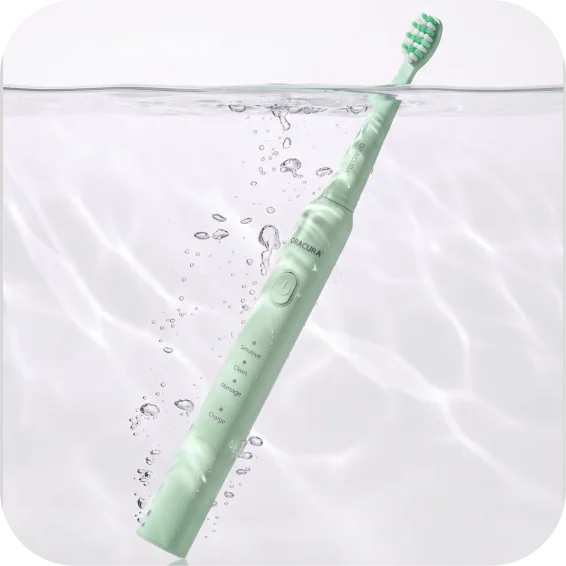
The dental hygiene devices market continues to expand steadily, reflecting growing awareness of effective at-home oral care. Among these tools, water flossers have gained strong recognition for their ability to target hard-to-reach areas, gently yet thoroughly removing plaque between teeth and along the gum line particularly beneficial for people with braces, implants, or those seeking a deeper clean than traditional brushing and string flossing alone can provide.
When choosing a water flosser, two key specifications stand out: pressure (measured in PSI) and reservoir capacity. These determine not only cleaning effectiveness but also how naturally the device integrates into your daily routine. The right balance prevents the tool from becoming another unused gadget in the bathroom drawer.
Despite daily brushing, plaque and gum issues silently threaten your smile and confidence. Oracura's dentist-trusted water flossers and sonic toothbrushes offer gentle, deep cleaning crafted for Indian homes. Paired with natural toothpaste, they ensure lasting oral health. Join 200,000+ happy users and transform your dental care for healthier teeth and gums. Shop Now!
The Role of Pressure in Effective Water Flossing
Pressure serves as the core driver of cleaning performance. It controls how forcefully the pulsating water stream dislodges debris, massages gums, and disrupts plaque buildup. Quality water flossers feature adjustable settings, allowing users to start gently and increase intensity as needed.
Most models range from low pressures around 10–40 PSI ideal for sensitive gums or beginners to higher levels up to 90–100 PSI for more intensive cleaning. Countertop units typically offer the widest flexibility, with 10 or more precise settings spanning the full range from extra low to extra high. This broad adjustability supports personalized use, whether addressing mild sensitivity or tackling stubborn plaque.
Cordless models, designed for portability, generally provide fewer settings often 2 to 3 (low, medium, high) with maximum pressures commonly between 45–75 PSI or up to around 100 PSI in premium versions. While they may not match the absolute peak force of countertop devices due to battery and size constraints, modern cordless options deliver strong, consistent performance for everyday needs.
Research consistently shows that both types achieve substantial plaque reduction frequently in the 87–89% range after a single use when users maintain proper technique and daily consistency. The emphasis remains on finding a comfortable, sustainable setting rather than pursuing the highest possible number.
Begin with the lowest effective pressure if your gums are prone to bleeding or sensitivity, then gradually increase as tissues adapt. Excessive force applied too abruptly can lead to temporary irritation, but adjustable controls ensure safety for enamel and gum health when used correctly.
Reservoir Capacity and Its Impact on Routine
Capacity determines session length before refilling becomes necessary. A larger tank supports uninterrupted flossing, allowing focus on thorough coverage rather than pausing mid-routine.
Countertop water flossers typically feature reservoirs of 15–22 ounces or more, often providing 60–90 seconds (or longer) of continuous use depending on the selected pressure. This extended runtime suits detailed sessions, including lingering over braces, implants, or areas with heavier buildup, and accommodates adding therapeutic mouthwash.
Cordless models prioritize compactness, so reservoirs usually hold 5–8 ounces, equating to roughly 30–45 seconds of flossing time. For quick daily maintenance or travel, this proves sufficient and convenient. However, for more extensive cleaning, users may need to pause and refill once or twice.
Experts highlight that uninterrupted flow enhances user experience and adherence. A slightly smaller cordless reservoir used consistently every day often yields better long-term results than a large-capacity countertop model that sits idle due to inconvenience or space limitations.
Cordless vs. Countertop: Matching Features to Lifestyle
Deciding between cordless and countertop comes down to personal priorities and living patterns.
Countertop models excel in stationary, high-performance scenarios. Key advantages include:
- Broader pressure ranges for fine-tuned control
- Larger reservoirs supporting extended, thorough sessions
- Additional modes in many units, such as pulse or massage settings
These features make them especially suitable for managing periodontal concerns, orthodontic appliances, or anyone seeking dentist-level cleaning at home.
Cordless water flossers prioritize ease and mobility. Fully waterproof designs allow shower use, compact builds fit easily into travel bags, and quick-start operation suits rushed mornings. The trade-off occasional refills and potentially narrower pressure options rarely compromises daily effectiveness when convenience drives consistent use.
Both categories deliver comparable plaque reduction in regular practice. The decisive factor is reliability: faithful daily use with either type outperforms occasional powerful sessions.
Ensuring Safety for Gums and Enamel
Contemporary water flossers emphasize user safety through thoughtful engineering. Adjustable pressure settings enable gentle starts, protecting delicate gum tissue and enamel while still achieving meaningful results. Many include dedicated low modes tailored for sensitivity, and regular use frequently leads to visible improvements reduced bleeding, firmer gums within a few weeks.
For optimal outcomes, combine water flossing with an electric toothbrush to address both tooth surfaces and interdental spaces comprehensively. Technique matters: lean over the sink, direct the tip at a 90-degree angle to teeth and gums, and avoid directing maximum pressure straight at sensitive or receding areas.
Addressing Frequent Concerns About Pressure and Capacity
Does more PSI always translate to superior cleaning? Not automatically. While higher pressure helps dislodge tougher debris, overall effectiveness depends far more on consistent daily technique than peak intensity alone. Moderate settings often deliver excellent results when used regularly.
Is investing in a larger reservoir worthwhile despite the space it occupies? For thorough flossers who dislike interruptions, absolutely. Smaller cordless tanks work perfectly for faster routines or space-constrained bathrooms without meaningful loss in benefits.
Can high pressure harm teeth or gums? Reputable models with adjustable controls prove safe for daily use. Begin conservatively, allow adaptation, and seek professional guidance if you have conditions like gum recession.
Choosing the Water Flosser That Fits Your Life
The ideal water flosser aligns pressure capabilities and reservoir size with your habits and environment. If maximum customization and extended sessions matter most and counter space isn't an issue a countertop model with versatile settings and generous capacity stands out. If portability, quick integration, and travel-friendliness top your list, a reliable cordless option delivers without compromise.
As awareness of advanced oral care tools rises, water flossers offer accessible, evidence-backed ways to elevate daily hygiene. The decision ultimately rests on honest self-reflection: Which features will encourage consistent use? Focus there, and sustained improvements in oral health become the natural outcome.
Frequently Asked Questions
What is a good PSI for a water flosser?
For most users, a water flosser with adjustable pressure between 10–90 PSI covers all needs effectively. Beginners or those with sensitive gums should start at the lower end (10–40 PSI) and gradually increase as their gums adapt. Research shows that both low and high settings can achieve up to 87–89% plaque reduction with consistent daily use, so comfort and technique matter more than chasing the highest PSI.
How does reservoir capacity affect water flosser performance?
Reservoir capacity determines how long you can floss without stopping to refill. Countertop models typically hold 15–22 oz, providing 60–90 seconds of uninterrupted use ideal for detailed cleaning around braces or implants. Cordless models usually hold 5–8 oz (roughly 30–45 seconds), which is sufficient for quick daily maintenance but may require a mid-session refill for more thorough routines.
Is a cordless or countertop water flosser better for daily use?
The best choice depends on your lifestyle and bathroom setup. Countertop water flossers offer wider pressure ranges, larger reservoirs, and extra cleaning modes making them ideal for those managing orthodontic appliances or periodontal concerns. Cordless models win on portability and convenience, which often leads to more consistent daily use and consistent use with either type is the single biggest factor in improving oral health over time.
Disclaimer: The above helpful resources content contains personal opinions and experiences. The information provided is for general knowledge and does not constitute professional advice.
You may also be interested in: Water Flosser - Oracura
Despite daily brushing, plaque and gum issues silently threaten your smile and confidence. Oracura's dentist-trusted water flossers and sonic toothbrushes offer gentle, deep cleaning crafted for Indian homes. Paired with natural toothpaste, they ensure lasting oral health. Join 200,000+ happy users and transform your dental care for healthier teeth and gums. Shop Now!
Powered by flareAI.co