In the bustling mornings of India's major cities from the crowded local trains of Mumbai where commuters squeeze in a quick brush, to the high-tech apartments of Bengaluru filled with gadget enthusiasts, and the family routines in Delhi, Chennai, and Kolkata a subtle but significant change is taking place in daily hygiene habits. Electric toothbrushes, long viewed as premium imports, are steadily becoming part of urban bathrooms as Indians place greater emphasis on preventive oral care amid persistent dental challenges.
The debate now centers on two main categories: sonic toothbrushes and regular electric toothbrushes (often oscillating-rotating models). This choice goes beyond marketing claims it's shaped by household budgets, fast-paced lifestyles, practical realities like power reliability, and what dental professionals observe in real Indian clinical settings.
Despite daily brushing, plaque and gum issues silently threaten your smile and confidence. Oracura's dentist-trusted water flossers and sonic toothbrushes offer gentle, deep cleaning crafted for Indian homes. Paired with natural toothpaste, they ensure lasting oral health. Join 200,000+ happy users and transform your dental care for healthier teeth and gums. Shop Now!
Core Technology Differences Explained
Regular electric toothbrushes operate through oscillating-rotating heads: the brush head rotates and pulsates in small, rapid circles or back-and-forth motions, physically dislodging plaque and massaging gums. These models enjoy widespread availability in neighborhood stores and mass retail outlets across Delhi, Chennai, and Kolkata, making them a common entry point for families moving away from manual brushing due to their approachable price and straightforward performance.
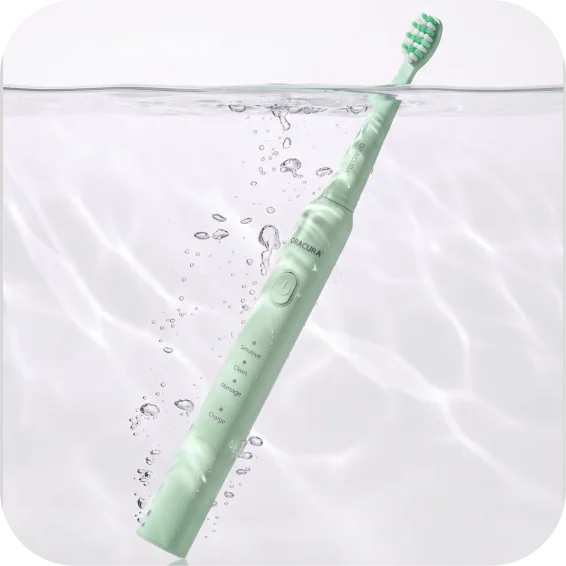
Sonic toothbrushes function differently, relying on high-frequency vibrations typically exceeding 30,000 movements per minute to generate fluid dynamics. This action propels toothpaste, saliva, and water into interdental spaces and along the gum line for what many users describe as a noticeably deeper clean. In Mumbai and Bengaluru, where e-commerce and specialty stores dominate premium personal care purchases, sonic options are gaining visibility among professionals seeking efficient, gentle routines.
Both categories consistently outperform manual brushing in plaque reduction when used correctly, but effectiveness ultimately hinges on user technique, brushing duration, and adherence over time.
The Urban Oral Health Context Fueling Adoption
India's cities face substantial oral health burdens. Recent surveys indicate dental caries prevalence ranging from 40% to 70% across populations, with periodontal (gum) disease affecting 50% to 87% in various groups, often in milder forms but still contributing to long-term issues. Urban lifestyles marked by stress, frequent sugary snacks, irregular eating patterns, and busy schedules intensify these risks, making preventive tools increasingly relevant.
Rising disposable incomes, particularly in Mumbai and Bengaluru, have boosted interest in tech-driven personal care devices. E-commerce platforms have played a pivotal role, bringing once-elusive sonic models within reach and normalizing electric brushing in metro households. Urban dental clinics now routinely incorporate discussions about powered brushes, reflecting a broader shift toward evidence-informed prevention.
Market data underscores this momentum. According to industry analysis from Grand View Research, the global electric toothbrush market reached USD 4.36 billion in 2024 and is expected to grow at a CAGR of 7.8% through 2030, with the Asia Pacific region holding a 34.2% share of global revenue in 2024. India's segment stands out with a projected CAGR of 11.2% over the forecast period, driven by heightened oral hygiene awareness, expanding middle-class spending power, digital marketing influence, dentist endorsements, and improved e-commerce access.
Rotational technology commanded over 58.1% of the market in 2024, while adult-use products accounted for 80.4% of revenue, aligning with urban professionals and families as primary adopters.
Insights from Dental Professionals and Observations
The Indian Dental Association highlights powered toothbrushes as particularly beneficial for achieving consistent two-minute brushing without applying harmful pressure especially valuable for individuals with dexterity limitations. Clinical observations from institutions such as AIIMS Delhi and dental colleges in Chennai and Bengaluru support the view that regular electric brushing improves plaque control and gum health in high-risk urban adults.
Dentists generally avoid declaring one technology universally superior, instead emphasizing correct usage: gentle pressure, systematic coverage of all surfaces, and full two-minute sessions. That said, sonic models frequently receive praise in practice for enhanced cleaning around gums and between teeth, based on patient feedback and observational outcomes.
Real-Life Application in Metro Households
Consider a young professional in Bengaluru racing through a packed schedule: the gentle, high-speed vibrations of a sonic brush deliver a thorough clean in the recommended time without requiring intense scrubbing, leaving a fresher sensation that fits seamlessly into hurried mornings. Similar patterns appear in Mumbai's upscale apartments, where users appreciate the perceived superior interdental reach.
In Delhi and Chennai, many households begin with regular electric models simpler to learn, more budget-friendly upfront, and supported by easily sourced replacement heads at local chemists. Kolkata shows steadier but slower uptake, often steered by dentist recommendations and gradual improvements in affordability.
Common practical considerations include battery life during occasional power disruptions, effective sealing against humid bathroom conditions, and consistent availability of compatible heads challenges that online ordering and expanding brand networks increasingly mitigate in major cities.
Key Barriers Facing Indian Consumers
Upfront cost remains the primary obstacle. Sonic toothbrushes typically command higher prices, deterring many even in Tier-1 markets. Awareness remains limited beyond metros, and sometimes promotional messaging overshadows clinical evidence. Improper use such as excessive force or incomplete coverage can diminish advantages regardless of model.
Replacement head availability varies by brand and city, though e-commerce continues to narrow these gaps.
Assessing Efficiency, Value, and Long-Term Benefits
For time-pressed residents of Mumbai, Delhi, or Bengaluru, both electric types reduce brushing effort compared to manual methods, yet sonic versions often register as more effortless due to their fluid-action cleaning. Over years, consistent superior plaque management can translate to fewer cavities, less gum inflammation, and reduced need for expensive interventions significant in a context where dental treatments impose considerable financial strain.
Regular electric brushes deliver excellent value for beginners or those with moderate risk profiles. Sonic brushes appeal most to prevention-oriented buyers prepared to invest in perceived advanced performance.
Choosing the Right Option for Indian Urbanites in 2026
Priorities determine the best fit. Select a sonic toothbrush when budget allows, urban routines demand fast yet comprehensive cleaning, and gum health or interdental care ranks high explaining their rising popularity in tech-forward areas of Mumbai and Bengaluru.
Opt for a regular electric toothbrush when making the initial switch from manual brushing, affordability takes precedence, or a dentist offers a clear, no-frills endorsement suitable for numerous families across Delhi, Chennai, and Kolkata embarking on powered routines.
In every case, technique and consistency outweigh technology. Commit to two full minutes, light pressure, and complete surface coverage.
The Road Ahead for Oral Care in India
India's electric toothbrush sector shows robust expansion, propelled by metro demand, growing awareness, and supportive market dynamics. Experts foresee additional localized research reinforcing benefits, yet timeless guidance persists: prioritize dentist consultations, disregard overstated claims, and build reliable daily habits.
In urban India where oral health pressures intersect with rising expectations the ideal toothbrush isn't defined by trends. It's the one that reliably supports a confident, healthy smile through the demands of city life. Consult your dentist, align the choice with your routine and resources, and the decision sharpens into focus.
Frequently Asked Questions
What is the main difference between sonic and regular electric toothbrushes?
Regular electric toothbrushes use oscillating-rotating heads that physically dislodge plaque through small, rapid circular motions, while sonic toothbrushes rely on high-frequency vibrations (typically over 30,000 movements per minute) to create fluid dynamics that clean interdental spaces and gum lines. Both types consistently outperform manual brushing in plaque reduction, but sonic models are often praised by dental professionals for enhanced cleaning around gums and between teeth. The choice between them depends on your budget, oral health needs, and personal preferences for cleaning sensation.
Are sonic toothbrushes worth the extra cost in India?
Sonic toothbrushes command higher prices but can be worthwhile for prevention-oriented users in urban India who prioritize gum health and interdental care. Over time, their superior plaque management can translate to fewer cavities, less gum inflammation, and reduced need for expensive dental interventions significant benefits in a context where dental caries affects 40-70% of populations and periodontal disease impacts 50-87% of various groups. However, regular electric toothbrushes deliver excellent value for beginners or those with moderate risk profiles, making them a practical entry point for families transitioning from manual brushing.
Which electric toothbrush type is better for busy professionals in Indian cities?
For time-pressed residents of Mumbai, Delhi, or Bengaluru, sonic toothbrushes often register as more effortless due to their fluid-action cleaning that delivers thorough results in the recommended two minutes without intense scrubbing. Their gentle, high-speed vibrations fit seamlessly into hurried morning routines while providing comprehensive cleaning. However, the best choice ultimately depends on proper technique two full minutes, light pressure, and complete surface coverage regardless of whether you choose sonic or regular electric technology.
Disclaimer: The above helpful resources content contains personal opinions and experiences. The information provided is for general knowledge and does not constitute professional advice.
You may also be interested in: Electric Toothbrush for ultimate oral care
Despite daily brushing, plaque and gum issues silently threaten your smile and confidence. Oracura's dentist-trusted water flossers and sonic toothbrushes offer gentle, deep cleaning crafted for Indian homes. Paired with natural toothpaste, they ensure lasting oral health. Join 200,000+ happy users and transform your dental care for healthier teeth and gums. Shop Now!
Powered by flareAI.co