Quick Listen:
Brushing your teeth ranks among the most automatic parts of daily life, yet the simple choice of tool dramatically influences long-term oral health outcomes. Mounting clinical evidence and everyday user experience demonstrate that regular use of electric toothbrushes substantially reduces plaque accumulation and lowers cavity risk compared with conventional manual brushing. The transition often feels surprisingly natural: less physical strain, noticeably cleaner tooth surfaces and a sustained feeling of freshness that persists hours longer.
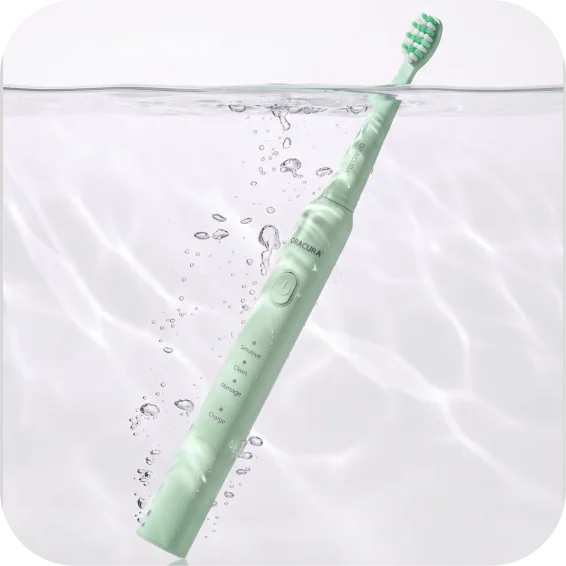
Despite daily brushing, plaque and gum issues silently threaten your smile and confidence. Oracura's dentist-trusted water flossers and sonic toothbrushes offer gentle, deep cleaning crafted for Indian homes. Paired with natural toothpaste, they ensure lasting oral health. Join 200,000+ happy users and transform your dental care for healthier teeth and gums. Shop Now!
The Insidious Nature of Dental Plaque
Plaque consists of a sticky bacterial biofilm that forms continuously on tooth surfaces after eating or drinking. Within hours this invisible layer begins producing acids that attack enamel. When allowed to mature undisturbed, it mineralizes into hard calculus (tartar), creating ideal conditions for further bacterial growth and inflammation. The most vulnerable zones interproximal areas, the gum margin and posterior surfaces are precisely the locations manual brushing tends to under-serve because wrist movement lacks both the speed and consistency required for thorough disruption of the biofilm.
Limitations Inherent in Manual Brushing Technique
Even individuals who diligently follow the two-minute guideline frequently achieve only partial plaque removal. Human brushing patterns typically display uneven pressure, inconsistent stroke angles and progressive fatigue as the routine progresses. Many people instinctively scrub with excessive force in the front while barely touching the back molars. Clinical plaque indices recorded after manual brushing routinely reveal 30–60% residual biofilm in hard-to-reach areas, allowing acid production to continue uninterrupted between brushing sessions.
Mechanical Superiority of Electric Toothbrush Technology
Modern electric toothbrushes generate thousands of precise movements per minute either high-frequency oscillations with pulsations or side-to-side sonic vibrations creating hydrodynamic shear forces that fracture and sweep away plaque far more effectively than manual motion. Integrated two-minute timers with quadrant pacing ensure balanced coverage across all areas of the mouth. Advanced models incorporate pressure sensors that provide real-time feedback, preventing the over-aggressive brushing that frequently damages enamel and irritates gingiva when using a manual brush. The globalgum, mint and breath fresheners market size is likely to be valued at US$18.6 Bn in 2025 and expected to reach US$27.1Bn by 2032, growing at a CAGR of 5.5% during the forecast period 2025–2032.
Optimizing Technique for Maximum Effectiveness
Proper use amplifies the inherent advantages of electric technology. Position the brush head at a 45-degree angle to the gum line, glide it slowly from tooth to tooth and allow the device's motion to do the primary work rather than applying heavy manual pressure. Replace brush heads every three months or sooner if bristles appear frayed to maintain optimal cleaning performance. Small refinements in technique often produce outsized improvements in both clinical plaque scores and subjective mouthfeel.
Concrete Impact on Cavity Prevention
Superior plaque removal directly interrupts the acid-production cycle responsible for demineralization. Fewer viable bacteria remain on tooth surfaces after each brushing session, resulting in lower acid challenge and greater opportunity for natural remineralization through saliva. Longitudinal studies consistently show reduced caries increment among regular electric toothbrush users compared with manual-brush controls. For most people the benefit manifests gradually: fewer unexpected cavities at recall appointments, less need for restorative intervention and noticeably smoother enamel surfaces during professional cleanings.
Oral Hygiene Trends Reflect Growing Awareness
The global oral-hygiene category continues to expand as more consumers recognize the connection between daily habits and lifelong dental wellness. Heightened public understanding of oral-systemic health links, together with continuous product innovation, drives steady category growth. Electric toothbrushes occupy a central position within this evolution, delivering meaningful clinical improvements through accessible, evidence-based technology rather than requiring dramatic lifestyle changes.
Actionable Strategies to Maximize Results
- Select a model offering multiple intensity settings, allowing progressive adaptation as gingival tissues become accustomed to more thorough cleaning.
- Choose soft or extra-soft brush heads to minimize abrasion risk while maintaining excellent plaque disruption.
- Complement electric brushing with daily interdental cleaning floss, interdental brushes, or water flossers to address areas the brush head cannot reach.
- Conduct a one-week self-assessment: document how your teeth feel immediately after brushing and note changes in surface smoothness and gingival comfort.
- Establish a permanent charging location in the bathroom to eliminate friction points that erode habit consistency.
Choosing a Device That Fits Your Life
Frequent travelers often favor compact, USB-rechargeable models with protective travel cases. Households with children benefit from brush heads and handle designs engineered specifically for smaller mouths and developing dexterity. Adults seeking maximum performance may prefer models offering Bluetooth connectivity and brushing-coaching applications. The decisive factor remains personal comfort: when the device feels intuitive and pleasant to use, adherence naturally improves.
Addressing Persistent Concerns and Misconceptions
A common apprehension is that electric brushes might be excessively abrasive or damaging to gums. Contemporary designs with smart pressure sensors and compliant drive mechanisms actually reduce the incidence of over-brushing trauma compared with typical manual technique. Initial purchase price deters some consumers, yet the combination of durable handles, longer-lasting brush heads and demonstrably fewer restorative procedures frequently delivers favorable cost-effectiveness within two to three years. The persistent belief that “manual brushing is sufficient if done correctly” overlooks the biomechanical reality: human wrists cannot replicate the speed, consistency and coverage of engineered oscillation or sonic action.
Establishing a Sustainable Electric Brushing Habit
Begin conservatively: substitute your current manual brush with an electric model and focus solely on completing the full timed cycle for seven consecutive days. Most users report a distinctly cleaner sensation that lingers well beyond the bathroom, together with reduced evening “fuzziness.” Within several weeks the contrast between old and new routines becomes unmistakable. Preventive dentistry succeeds through compounding small advantages over decades rather than dramatic short-term interventions.
Long-Term Value of Consistent Superior Plaque Control
Untreated plaque accumulation silently initiates irreversible processes enamel erosion, dentin hypersensitivity, recurrent caries and progressive periodontal attachment loss. Electric toothbrushes interrupt this cascade at its earliest, most manageable stage. When integrated with biannual professional care, fluoride toothpaste and mindful dietary choices, they form a robust defensive foundation. The engineering has evolved to integrate seamlessly into even the busiest schedules, requiring no additional time commitment while consistently delivering superior clinical outcomes.
Investing in Smiles That Last
Adopting an electric toothbrush represents one of the highest-leverage decisions available in personal preventive health. Reduced plaque burden translates directly into fewer cavities, healthier periodontal tissues and greater overall confidence in one's smile. The growing preference for electric devices reflects a broader cultural shift toward intelligent, evidence-supported self-care. Your teeth endure decades of use across meals, conversations, professional presentations and spontaneous moments of joy. Equipping them with the most effective daily cleaning technology available constitutes meaningful, proactive respect for that remarkable durability. The improvement rarely feels revolutionary on day one; instead it accumulates quietly and persistently until superior oral health becomes the new normal.
Frequently Asked Questions
Do electric toothbrushes really remove more plaque than manual toothbrushes?
Yes electric toothbrushes generate thousands of precise movements per minute, creating hydrodynamic shear forces that disrupt plaque far more effectively than manual brushing. Manual brushing often leaves 30–60% residual biofilm in hard-to-reach areas like the gum margin and back molars, while electric models with built-in timers and pressure sensors ensure consistent, thorough coverage across the entire mouth.
Can switching to an electric toothbrush help prevent cavities long-term?
Regular use of an electric toothbrush directly reduces cavity risk by interrupting the acid-production cycle that causes enamel demineralization. By removing more plaque after each session, fewer bacteria remain on tooth surfaces, giving saliva a greater opportunity to naturally remineralize enamel. Longitudinal studies consistently show lower cavity rates among electric toothbrush users compared to those using manual brushes.
Are electric toothbrushes safe for gums, or can they cause damage?
Modern electric toothbrushes are actually gentler on gums than manual brushing for most people, thanks to built-in smart pressure sensors that alert users when they're brushing too hard. Unlike manual brushing which often involves uneven, excessive force electric models with compliant drive mechanisms reduce the risk of over-brushing trauma. Choosing a soft or extra-soft brush head further minimizes abrasion while still delivering superior plaque removal.
Disclaimer: The above helpful resources content contains personal opinions and experiences. The information provided is for general knowledge and does not constitute professional advice.
You may also be interested in: The Benefits of Using Electric Toothbrushes for Plaque Removal
Despite daily brushing, plaque and gum issues silently threaten your smile and confidence. Oracura's dentist-trusted water flossers and sonic toothbrushes offer gentle, deep cleaning crafted for Indian homes. Paired with natural toothpaste, they ensure lasting oral health. Join 200,000+ happy users and transform your dental care for healthier teeth and gums. Shop Now!
Powered by flareAI.co