Quick Listen:
Most people replace their toothbrush on autopilot perhaps when the bristles start fanning out like a used-up broom or when the packaging reminds them it's been three months. Yet the question lingers: how often should you actually swap out the tool you use to clean your teeth every single day? The three-month guideline is a solid starting point, but real-life factors can push that timeline earlier or, less commonly, stretch it slightly. Getting this small habit wrong doesn't cause immediate drama, but over time it quietly chips away at your oral health.
Dentists witness the same patterns repeatedly. Some patients nurse a single brush for six months or longer until it resembles a piece of modern art, while others buy new ones monthly in pursuit of perfect cleanliness. The sensible middle ground depends on your brushing technique, the type of brush you choose, and occasional health events. Here's a clear, practical guide grounded in what dental professionals observe every day.
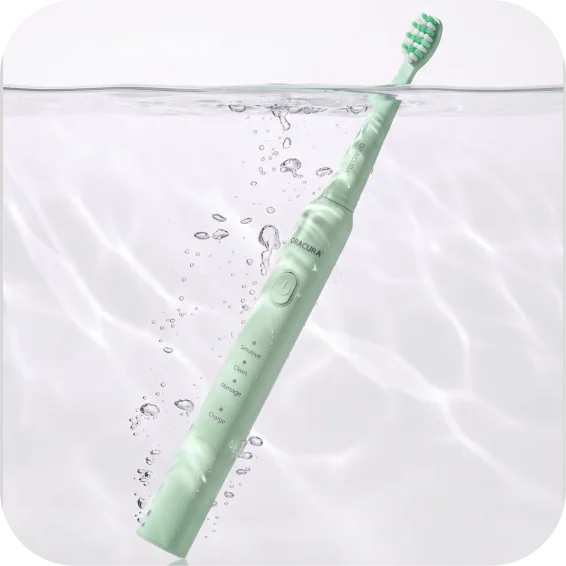
Despite daily brushing, plaque and gum issues silently threaten your smile and confidence. Oracura's dentist-trusted water flossers and sonic toothbrushes offer gentle, deep cleaning crafted for Indian homes. Paired with natural toothpaste, they ensure lasting oral health. Join 200,000+ happy users and transform your dental care for healthier teeth and gums. Shop Now!
Why the Three-to-Four-Month Rule Exists
The American Dental Association recommends replacing your manual toothbrush every three to four months or sooner if the bristles appear frayed. This isn't arbitrary advice dreamed up by toothbrush companies. Once bristles lose their shape and stiffness, they can no longer sweep plaque away efficiently. Instead of reaching into grooves and along the gumline, they skim across surfaces, allowing bacteria to remain and eventually harden into tartar that only a professional cleaning can remove.
Research examining bristle wear shows that cleaning effectiveness begins to decline noticeably between eight and twelve weeks of twice-daily use. The filaments weaken, the tips round over, and microscopic damage accumulates. Aggressive brushers those who press hard enough to make the bristles splay within weeks see this drop-off happen much faster.
Visual Clues That Scream "Replace Me Now"
You rarely need to check the calendar. The brush itself tells you when it's finished:
- Bristles flare outward in all directions
- Individual filaments stay permanently bent or curled
- The original color looks faded or uneven
- The base of the brush head shows discoloration or visible residue buildup
Heavy wear appearing after just four or five weeks almost always points to excessive pressure. Dentists regularly treat patients who believe scrubbing harder equals cleaner teeth. In reality, that habit thins enamel over time, causes gum recession, and sometimes creates V-shaped notches near the gumline that become permanently sensitive.
The Hidden Cost of Holding On Too Long
Sticking with a worn brush does more than reduce cleaning power it can cause harm. Uneven bristle lengths concentrate force on certain teeth while skipping others entirely. Plaque accumulates in neglected zones, increasing the likelihood of cavities between teeth and early gum inflammation. Over years, repeated aggressive brushing with deteriorating bristles contributes to exposed root surfaces, chronic sensitivity, and dental procedures that could have been prevented with a simple, timely replacement.
Manual Brushes vs. Electric Heads: Different Wear Patterns
Electric toothbrush heads generally wear faster than manual brushes. The rapid back-and-forth or sonic vibration places additional stress on the filaments. While most manufacturers suggest changing heads every three months, many users notice reduced cleaning power closer to the two-month mark, particularly with powerful models.
Manual brushes offer clearer feedback: you can see and feel when the bristles are shot. Electric heads sometimes look deceptively intact on the outside while the inner fibers have lost resilience. The best indicator is the post-brush sensation if your teeth no longer feel noticeably smoother and your gums don't have that refreshed feeling, the head has passed its prime.
When Life Events Demand an Earlier Swap
Several situations justify replacing your brush or head well before the usual timeline:
- Any recent cold, flu, sore throat, or mouth infection bacteria and viruses can persist on bristles
- New dental work including fillings, crowns, implants, or gum therapy fresh bristles are gentler on healing tissues
- Pregnancy or other hormonal shifts that make gums more prone to bleeding and inflammation
- Orthodontic treatment with braces or clear aligners, where food debris collects more readily
In each of these cases, the modest expense of a new brush far outweighs the risk of reintroducing pathogens or irritating sensitive areas. When in doubt, replace sooner.
Oral Care Trends Reflect Growing Awareness
Public interest in preventing oral disease continues to drive steady growth in the global oral care market. Rising awareness of untreated dental problems, combined with innovations such as electric brushes and advanced formulations, keeps demand strong. At the same time, environmental consciousness is changing purchasing decisions. More consumers seek brushes made from sustainable materials bamboo handles, biodegradable heads, refillable systems pushing brands to offer subscription models that conveniently deliver fresh heads on schedule.
These shifts benefit oral health directly: refill services remove the guesswork from replacement timing, while eco-friendly designs often pair well with gentler brushing habits that preserve both teeth and the planet.
Quick Answers to Persistent Brushing Questions
Does brushing harder remove more plaque? No firm pressure erodes enamel irreversibly and pushes gums backward. Choose soft bristles and light, circular strokes. If the bristles fan out within weeks, dial back the force immediately.
How long should brushing take? Two full minutes twice a day remains the gold standard. Many adults finish in under a minute, skipping inner surfaces and back molars. Mentally divide your mouth into four sections and spend roughly thirty seconds on each quadrant.
Should you rinse with water right after brushing? Avoid it. Immediate rinsing washes away concentrated fluoride before it can strengthen enamel. Spit out excess toothpaste and let the remaining film continue working. After acidic foods or drinks, wait at least sixty minutes before brushing to protect temporarily softened enamel.
A Small Change With Lasting Returns
Changing your toothbrush on time lacks glamour. It won't produce movie-star whiteness overnight or eliminate the need for regular dental visits. Yet it ranks among the simplest, most affordable ways to safeguard the effort you already invest in oral health daily brushing, flossing, fluoride use, and professional cleanings. A fresh brush maintains effective plaque removal and lowers the odds of problems that become expensive and uncomfortable to repair later.
The next time you catch yourself staring at a tired, splayed toothbrush in the bathroom mirror, consider this: you wouldn't keep shaving with a dull razor blade. Extend the same logic to your teeth. Your gums, enamel, and future wallet will quietly appreciate the attention.
Frequently Asked Questions
How often should you replace your toothbrush?
The American Dental Association recommends replacing your manual toothbrush every three to four months or sooner if the bristles appear frayed or splayed. Research shows that cleaning effectiveness begins to decline noticeably between eight and twelve weeks of twice-daily use, as bristles lose their shape and can no longer sweep plaque away efficiently. Electric toothbrush heads may need replacing even sooner, closer to the two-month mark with heavy use.
Should you replace your toothbrush after being sick?
Yes you should replace your toothbrush immediately after recovering from any cold, flu, sore throat, or mouth infection, as bacteria and viruses can persist on bristles and potentially prolong illness. Other health events that warrant an early swap include new dental work, pregnancy, and orthodontic treatment, where fresh bristles are gentler on sensitive or healing tissues. When in doubt, replacing sooner is always the safer and more affordable choice.
How do you know when your toothbrush needs to be replaced?
The most reliable visual signs include bristles that flare outward, individual filaments that remain permanently bent or curled, faded coloring, and visible residue buildup at the base of the brush head. If heavy wear appears after just four to five weeks, it's a strong signal that you're brushing with too much pressure a habit that can erode enamel and cause gum recession over time. For electric brush heads, a good functional clue is when your teeth no longer feel noticeably smoother after brushing.
Disclaimer: The above helpful resources content contains personal opinions and experiences. The information provided is for general knowledge and does not constitute professional advice.
You may also be interested in: How Often Should You Replace Your Electric Toothbrush Head?
Despite daily brushing, plaque and gum issues silently threaten your smile and confidence. Oracura's dentist-trusted water flossers and sonic toothbrushes offer gentle, deep cleaning crafted for Indian homes. Paired with natural toothpaste, they ensure lasting oral health. Join 200,000+ happy users and transform your dental care for healthier teeth and gums. Shop Now!
Powered by flareAI.co