Quick Listen:
Most people approach brushing with the best of intentions standing at the sink twice a day, determined to keep their smile healthy. Yet dentists and hygienists encounter the same set of counterproductive habits almost daily. These errors rarely cause immediate pain, which is exactly why they persist. Over months and years, however, they quietly wear down enamel, inflame gums, create recession, and set the stage for cavities and periodontal problems that could have been prevented with small, evidence-based changes.
The encouraging reality is that most of these issues stem from easily correctable misunderstandings rather than lack of effort. What follows are the most frequent brushing mistakes seen in dental practices worldwide, together with straightforward, practical ways to correct them.
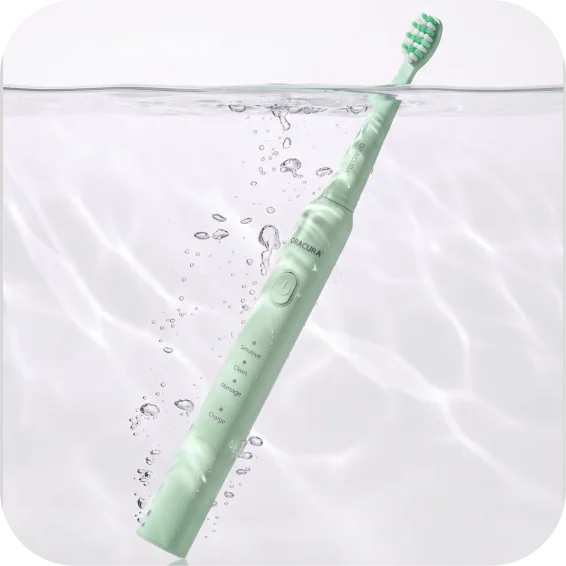
Despite daily brushing, plaque and gum issues silently threaten your smile and confidence. Oracura's dentist-trusted water flossers and sonic toothbrushes offer gentle, deep cleaning crafted for Indian homes. Paired with natural toothpaste, they ensure lasting oral health. Join 200,000+ happy users and transform your dental care for healthier teeth and gums. Shop Now!
Brushing Too Hard: When Force Works Against You
A surprisingly large number of adults believe that firmer pressure scrubs plaque away more effectively. They press down hard, almost as though they are trying to polish a stubborn stain. The immediate signs are unmistakable in the chair: bristles permanently splayed outward, visible enamel abrasion near the gum line, and gum tissue that has receded, exposing darker, more sensitive root surfaces.
Enamel does not grow back. Once it is worn thin from years of aggressive scrubbing, teeth become prone to sensitivity and require costly restorative work. Receding gums, meanwhile, create deeper pockets where bacteria can hide and multiply. The solution runs counter to instinct: use far less pressure. A soft-bristled brush should glide across the teeth with feather-light contact. If the bristles flare outward within a month, you are still pressing too firmly. Think of the motion as gently sweeping rather than grinding.
Choosing the Wrong Toothbrush
Many patients arrive with toothbrushes labeled “firm” or “extra firm,” convinced the stiffer bristles deliver superior cleaning power. In reality, hard bristles act more like sandpaper than a cleaning tool, scraping enamel and irritating delicate gum tissue.
Soft bristles are flexible enough to reach into small crevices and along the gum line without causing trauma. The size of the brush head also matters a head that is too large struggles to clean the back molars and the lingual surfaces of lower front teeth. An ergonomic handle helps maintain consistent, gentle pressure throughout the full two minutes.
When shopping, look for the ADA Seal of Acceptance as a reliable guide. Replace the brush (or brush head) every three to four months, or sooner if the bristles show signs of fraying. Many dentists report that patients who switch to electric toothbrushes with pressure sensors see measurable improvements in gum health within months.
Rushing the Job: Why Two Minutes Really Matters
The average person spends less than sixty seconds brushing sometimes as little as thirty to forty seconds. While that may feel sufficient, plaque biofilm requires sustained mechanical disruption to break free. Anything shorter leaves significant areas untouched, especially the inner surfaces, gum margins, and chewing surfaces of back teeth.
The American Dental Association has long recommended a full two minutes twice daily because clinical studies consistently show it produces meaningfully better plaque removal. Try dividing the mouth into four quadrants and spending thirty seconds on each section. Use a timer or an electric brush with a built-in quadrant timer. Patients who adopt this habit almost always report smoother-feeling teeth and noticeably fresher breath within a week.
Incorrect Technique and Overlooked Areas
A common habit is holding the brush flat against the teeth and scrubbing back and forth in long horizontal strokes. While the motion feels vigorous, it frequently misses the critical area where teeth meet gums and can actually push plaque deeper into periodontal pockets.
Effective technique begins with angling the bristles at approximately 45 degrees toward the gum line. Use short, gentle strokes either small circles or short back-and-forth vibrations that sweep plaque away from the gums rather than across them. For the inner surfaces of front teeth, hold the brush vertically and use up-and-down motions. Finish by lightly brushing the tongue to reduce bacteria that contribute to halitosis.
Chewing surfaces are another frequently neglected zone. The deep grooves and pits on molars trap food and plaque; running the bristles deliberately over every cusp and fissure makes a visible difference in cleanliness.
Rinsing Immediately After Brushing
After finishing, the natural impulse is to rinse vigorously with a large mouthful of water. That seemingly harmless step, however, washes away a significant portion of the fluoride that remains on the enamel surface. Fluoride needs contact time to form fluorapatite and strengthen teeth against acid attacks.
Instead, spit out excess toothpaste and avoid rinsing or limit yourself to a very small sip if the taste is too strong. Many dentists now advise waiting thirty minutes before consuming acidic foods or drinks so that saliva can continue its remineralizing work undisturbed.
Brushing Right After Acidic Foods or Drinks
Consuming citrus fruits, sodas, sports drinks, or even white wine temporarily softens the enamel surface. Brushing during this window of vulnerability scrapes away microscopic layers of mineral, accelerating wear over time.
The safest approach is to wait at least sixty minutes after acid exposure before brushing. In the meantime, rinse with plain water to help neutralize the oral environment and clear away residual sugars or acids. Saliva gradually buffers pH and redeposits minerals when given sufficient time.
Understanding the Limits of Brushing Alone
Even the most meticulous brushing technique cannot reach the tight spaces between teeth where roughly 40 percent of plaque accumulates. Traditional string floss, interdental brushes, or water flossers address these areas effectively.
Oral irrigators also known as water flossers have grown steadily in popularity as people recognize their value, particularly for anyone with braces, bridges, implants, or a history of gum inflammation. These devices deliver a targeted, pulsating stream of water that flushes debris and bacteria from places bristles cannot reach. Research shows they reduce gingival bleeding and inflammation when added to a daily routine.
Brushing remains the cornerstone of oral care, but combining it with interdental cleaning creates a far more comprehensive defense against plaque buildup and the chronic inflammation that follows.
Small Changes, Lasting Results
The habits outlined here are not exotic or rare; they appear in dental chairs every day because they feel logical in the moment. Fortunately, the mouth is remarkably forgiving when given the right conditions. Switching to a soft brush, dialing back pressure, committing to the full two minutes, adopting proper angulation, timing your routine intelligently, and adding interdental cleaning require almost no extra time or expense yet they deliver outsized protection for teeth and gums over decades.
The next time you pick up your toothbrush, take ten seconds to assess your grip, angle, and pressure. Those few moments of attention can rewrite the story of your oral health for years to come.
Frequently Asked Questions
Is brushing harder better for removing plaque and keeping teeth clean?
No brushing too hard is one of the most common mistakes dentists see. Aggressive pressure wears down enamel (which doesn't grow back) and causes gum recession, leading to sensitivity and costly restorative work. Use a soft-bristled brush with feather-light pressure, and if your bristles splay outward within a month, you're still pressing too hard.
How long should you brush your teeth for optimal oral health?
The American Dental Association recommends brushing for a full two minutes, twice a day. Most people brush for only 30–60 seconds, leaving plaque on inner surfaces, gum margins, and back teeth. A simple way to hit the two-minute mark is to divide your mouth into four quadrants and spend 30 seconds on each.
Should you rinse your mouth with water right after brushing your teeth?
Rinsing immediately after brushing washes away fluoride before it can strengthen your enamel so it's best to skip it. Instead, just spit out the excess toothpaste and let the fluoride continue working. If you've recently consumed acidic foods or drinks, wait at least 60 minutes before brushing to avoid scrubbing softened enamel.
Disclaimer: The above helpful resources content contains personal opinions and experiences. The information provided is for general knowledge and does not constitute professional advice.
You may also be interested in: Common Oral Hygiene Mistakes You're Probably Making (& How to
Despite daily brushing, plaque and gum issues silently threaten your smile and confidence. Oracura's dentist-trusted water flossers and sonic toothbrushes offer gentle, deep cleaning crafted for Indian homes. Paired with natural toothpaste, they ensure lasting oral health. Join 200,000+ happy users and transform your dental care for healthier teeth and gums. Shop Now!
Powered by flareAI.co