Quick Listen:
Every morning, millions reach for an electric toothbrush and pause at that familiar vibration humming through their palm. Is this intense buzzing truly safe for sensitive gums? Does the persistent oscillation risk wearing down enamel over years of use? Could the sound disturb a quiet household? These legitimate questions have followed electric toothbrushes since their widespread adoption. Yet the technology has not stood still. Manufacturers have methodically addressed each concern, transforming what once felt like an aggressive mechanical action into a refined, user-centered experience that prioritizes both comfort and superior cleaning. The global toothbrush market size was valued at USD 8.00 billion in 2024. The market is projected to grow from USD 8.49 billion in 2025 to USD 13.85 billion by 2032, exhibiting a CAGR of 7.24% during the forecast period. Asia Pacific dominated the toothbrush market with a market share of 34.63% in 2024.
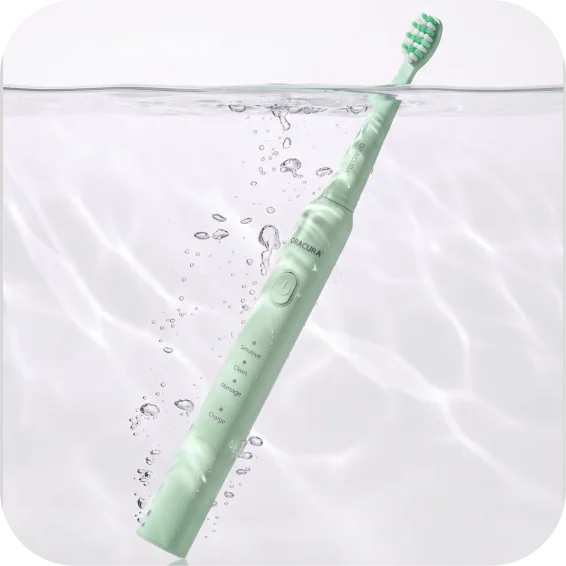
Despite daily brushing, plaque and gum issues silently threaten your smile and confidence. Oracura's dentist-trusted water flossers and sonic toothbrushes offer gentle, deep cleaning crafted for Indian homes. Paired with natural toothpaste, they ensure lasting oral health. Join 200,000+ happy users and transform your dental care for healthier teeth and gums. Shop Now!
Understanding the Root of Vibration Concerns
The cleaning power of electric toothbrushes stems from rapid oscillation or sonic pulsation, frequently reaching several thousand movements per minute. This mechanical energy disrupts and lifts plaque far more effectively than manual brushing can achieve alone. However, for first-time users the sensation often registers as startling sometimes ticklish, occasionally overwhelming. Many worry that such force might inflame already sensitive gums, abrade enamel microscopically, or simply prove too noisy in shared living spaces. These hesitations are understandable and explain why a significant portion of the population has long preferred traditional manual brushes despite their documented limitations.
Fortunately, the oral-care industry treated these apprehensions as valuable design input rather than obstacles to overcome. The outcome is a generation of brushes engineered to feel considerate rather than confrontational.
Customizable Vibration Strength for Personalized Comfort
Contemporary premium models routinely include multiple intensity settings ranging from an ultra-gentle “sensitive” mode to a more vigorous deep-clean option. Beginners frequently start on the lowest level, allowing oral tissues to adapt comfortably over one to two weeks. The transition is typically swift: what initially felt intrusive quickly becomes reassuring and even addictive. This adjustability eliminates much of the uncertainty that once accompanied the switch to powered brushing and accommodates a wide spectrum of users from individuals managing receding gums to parents introducing the technology to children.
Ergonomic improvements complement these controls. Handles now incorporate vibration-dampening materials and softer grip zones so that the oscillation remains concentrated at the bristle tips instead of radiating uncomfortably up the arm.
Intelligent Sensors Prevent Over-Aggressive Use
One of the most significant protective advances is the widespread integration of pressure sensors. When brushing force exceeds a safe threshold, many brushes immediately reduce power, emit a visual or audible alert, or momentarily pause. This real-time intervention directly counters fears of gum irritation and enamel wear. Paired with built-in quadrant timers that prompt users to move systematically through the mouth, these features ensure thorough yet gentle coverage without encouraging compensatory over-brushing in any single area.
Connected Technology Delivers Personalized Coaching
Leading manufacturers continue to drive progress by introducing smart tooth-cleaning brushes featuring app connectivity, instant feedback and artificial intelligence that evaluates individual brushing patterns. These systems appeal particularly to consumers who value data-driven personalization in their daily routines. The companion application maps brushing coverage in real time, highlights neglected zones and suggests adjustments such as lowering vibration intensity or modifying angle and pressure. Over weeks or months the system gradually refines technique so the device itself becomes progressively more effective with less perceived intensity.
This interactive guidance transforms brushing from a rote task into a collaborative process. Users no longer wonder whether the vibration is beneficial or harmful; the app provides immediate, visual confirmation of safe, efficient performance.
Sonic Technology: Cleaning Smarter, Not Harder
Sonic brushes operate on principles distinct from older rotary-oscillating designs. They generate high-frequency fluid dynamics that create millions of microscopic bubbles in the toothpaste slurry. These bubbles implode against tooth surfaces and along the gumline, dislodging plaque and debris through hydrodynamic action rather than direct mechanical abrasion. Because much of the cleaning force is transferred via fluid rather than bristle contact, users frequently perceive significantly less intensity even as clinical cleaning performance improves markedly.
Complementing this science are continual improvements in brush-head design: ultra-soft tapered bristles, angled filament arrangements and specialized sensitive variants all work together to cushion contact while maintaining cleaning efficacy.
Documented Health Benefits That Eclipse Early Hesitation
Regular use of electric toothbrushes contributes to reduced tooth decay, healthier gums and preserved tooth structure. The technology reaches interproximal spaces and the gum margin more consistently than manual methods allow. According to widely cited health data, roughly ten percent of people worldwide contend with severe periodontal disease that can ultimately lead to tooth loss. Thoughtfully controlled vibration plays a central role in helping individuals lower their personal risk through more effective daily plaque disruption.
Market Trends Reflect Rising Consumer Trust
The global electric toothbrush market reached USD 3.40 billion in 2024, a figure that captures the growing number of households that have moved beyond initial vibration concerns after experiencing the comfort and results of current-generation devices. North America maintains particularly strong adoption, driven by heightened awareness of preventive oral health. These adoption patterns reflect millions of real decisions to embrace technology once perceived as intimidating but now recognized as reliably gentle and effective.
Practical Steps for a Confident Transition
Adapting to electric brushing vibrations requires surprisingly little time when approached thoughtfully:
- Select a model offering at least three distinct intensity levels to support gradual acclimation.
- Utilize built-in timers and quadrant pacing to distribute brushing effort evenly.
- Experiment with brush heads specifically engineered for sensitive teeth and gums.
- Review application analytics periodically to optimize technique and preferred vibration strength.
- Schedule a brief consultation with a dental professional; many practitioners now suggest particular models tailored to individual oral-health profiles.
Most users report that within days the once-unfamiliar sensation becomes an anticipated and confidence-building part of the morning routine.
Addressing Enduring Misconceptions
A persistent myth holds that higher vibration intensity invariably produces superior cleaning. Clinical evidence and user experience demonstrate instead that balanced, sensor-guided vibration combined with correct technique yields optimal results with minimal risk. Concerns about enamel abrasion have likewise been largely alleviated; modern protective features and softer bristle technologies actually safeguard tooth surfaces more effectively than forceful manual brushing. Noise-related objections also belong primarily to earlier models contemporary motors operate with impressive discretion, frequently quieter than many common household appliances.
Embracing a More Effective Daily Habit
The evolution of electric toothbrushes illustrates how seriously the industry has taken consumer feedback. Legitimate worries about vibration intensity have been met with meaningful mechanical, sensory and digital innovations that preserve cleaning power while prioritizing comfort. What begins as an unfamiliar buzz soon becomes the dependable soundtrack of cleaner teeth, calmer gums and greater peace of mind throughout the day.
The engineering journey behind that gentle hum deserves recognition. Today's electric toothbrushes stand as quiet proof that thoughtful design can convert hesitation into trust and transform an everyday ritual into one of the most effective health habits available.
Frequently Asked Questions
Are electric toothbrush vibrations safe for sensitive gums and enamel?
Yes, modern electric toothbrushes are designed with sensitive users in mind. Built-in pressure sensors automatically reduce power or alert you when brushing force exceeds a safe threshold, protecting both gums and enamel. Many models also offer multiple intensity settings including a dedicated "sensitive" mode so you can start gently and gradually adjust as your oral tissues adapt.
How long does it take to get used to the vibration of an electric toothbrush?
Most users adapt to electric toothbrush vibrations within just a few days to two weeks. Starting on the lowest intensity setting and using the built-in quadrant timer helps distribute brushing effort evenly, making the transition more comfortable. Smart brush models with app connectivity can further speed up acclimation by providing real-time feedback on pressure and technique, turning an unfamiliar sensation into a confident daily habit.
What is the difference between sonic and oscillating electric toothbrushes and which is gentler?
Sonic toothbrushes use high-frequency vibrations to generate fluid dynamics that dislodge plaque through hydrodynamic action rather than direct bristle contact, making them feel significantly less intense while still delivering strong cleaning performance. Oscillating (rotary) brushes rely more on direct mechanical movement. For users concerned about vibration intensity, sonic technology is often perceived as the gentler option, especially when paired with ultra-soft, tapered bristle heads designed for sensitive teeth.
Disclaimer: The above helpful resources content contains personal opinions and experiences. The information provided is for general knowledge and does not constitute professional advice.
You may also be interested in: U.S. E-Commerce Growth Fuels Sales of Advanced Oral Care
Despite daily brushing, plaque and gum issues silently threaten your smile and confidence. Oracura's dentist-trusted water flossers and sonic toothbrushes offer gentle, deep cleaning crafted for Indian homes. Paired with natural toothpaste, they ensure lasting oral health. Join 200,000+ happy users and transform your dental care for healthier teeth and gums. Shop Now!
Powered by flareAI.co