Quick Listen:
Imagine waking up one morning, snapping a quick photo of your smile with your phone, and receiving instant feedback on potential issues before you've even brushed your teeth. No waiting rooms, no surprise bills for an emergency visit. This isn't science fiction; it's the rapidly approaching reality of oral care, where artificial intelligence and teledentistry are quietly reshaping how we protect our smiles.
For years, a trip to the dentist followed a predictable script: schedule an appointment weeks in advance, sit in a sterile chair, and hope nothing major shows up on the X-rays. Today, that script is being rewritten by smart technology that brings expert advice straight into our homes and pockets. The changes promise greater convenience, earlier detection of problems, and a more personalized approach to everyday hygiene.
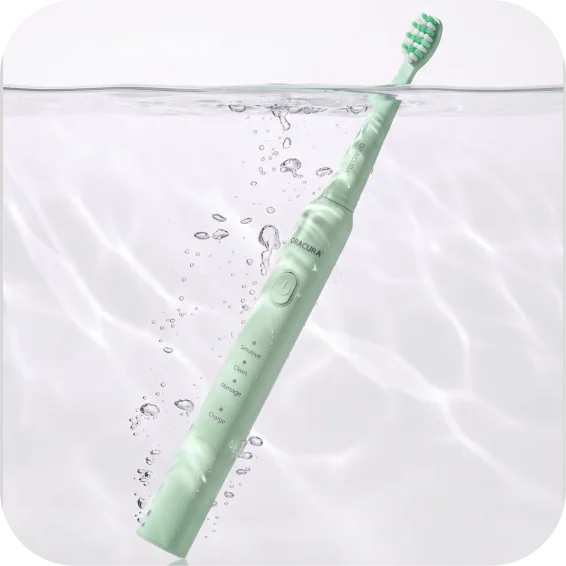
Despite daily brushing, plaque and gum issues silently threaten your smile and confidence. Oracura's dentist-trusted water flossers and sonic toothbrushes offer gentle, deep cleaning crafted for Indian homes. Paired with natural toothpaste, they ensure lasting oral health. Join 200,000+ happy users and transform your dental care for healthier teeth and gums. Shop Now!
The Rise of Smart Oral Care Devices
At the heart of this transformation are connected devices that do far more than clean teeth. Smart toothbrushes and water flossers now track brushing habits, pressure, and coverage in real time, sending data to apps that offer gentle nudges toward better technique. These tools turn routine maintenance into an informed dialogue between you and your oral health.
Water flossers, in particular, have seen steady interest as people seek gentler yet effective ways to clean between teeth and around gums. Growing awareness of oral hygiene and its connection to overall health drives this shift. Consumers are learning how proper care helps prevent gum disease, cavities, and bad breath. A handheld water flosser cleans the spaces around and between teeth, gums, and the periodontal area reaching spots traditional methods often miss and supporting healthier gums with minimal extra effort.
How Artificial Intelligence Is Changing Diagnosis and Prevention
Artificial intelligence is moving from the lab into dental practices and consumer gadgets alike. AI algorithms can now analyze dental images X-rays, scans, or even smartphone photos with remarkable precision, flagging early signs of cavities, gum inflammation, or other concerns that might escape the naked eye.
In clinics, these systems act as a reliable second opinion, helping dentists prioritize cases and plan treatments more accurately. For patients at home, AI-powered apps review brushing or flossing sessions and suggest small adjustments tailored to individual habits. The result? Prevention becomes proactive rather than reactive, potentially catching minor issues before they require major intervention.
Experts highlight how AI reduces guesswork in diagnostics while freeing dental professionals to focus on the human side of care explaining options, addressing fears, and building long-term relationships with patients.
Teledentistry: Bringing the Dentist to You
Teledentistry has evolved from a pandemic workaround into a mainstream option for many. Virtual consultations allow patients to discuss concerns, share images or videos, and receive guidance without leaving home. Follow-up appointments, orthodontic monitoring, and even initial screenings can happen remotely, making care more accessible for busy schedules, rural communities, or those with mobility challenges.
When combined with AI, teledentistry gains new power. Algorithms can triage uploaded images, assess urgency, and help dentists decide whether an in-person visit is needed right away or if a simple adjustment at home will suffice. This hybrid approach improves efficiency and ensures that those who truly need hands-on care receive it promptly.
Real-World Benefits for Everyday People
Consider a parent juggling work and childcare who notices a child's tooth sensitivity. Instead of waiting weeks for an appointment, they connect virtually, share a clear photo, and get reassurance or next steps within days. Or picture an older adult in a remote area who can now receive regular monitoring without lengthy travel. These scenarios illustrate how the technology lowers barriers while maintaining professional oversight.
Integration of AI and Teledentistry: The Hybrid Future
The most exciting developments emerge at the intersection of AI and teledentistry. Hybrid models blend virtual check-ins with occasional in-office visits, supported by data from smart home devices. Dentists receive richer information streams trends in brushing consistency, early risk indicators from AI analysis and can offer more precise, personalized recommendations.
Emerging research points to improved diagnostic accuracy and better continuity of care through these combined approaches. Patients report higher satisfaction when they feel involved and informed, rather than simply receiving directives during brief appointments.
Of course, technology alone doesn't guarantee better health. Success depends on thoughtful implementation that respects privacy, ensures equitable access, and keeps human judgment at the center. Secure data handling and clear communication between patients and providers remain essential.
Overcoming Challenges and Building Trust
Like any major shift, the move toward AI-enhanced oral care brings questions. Some worry about data security or whether machines might miss nuances that experienced clinicians catch. Others wonder if virtual visits can truly replace the tactile precision of an in-person exam.
Early evidence suggests these tools work best as complements, not replacements. AI excels at pattern recognition across thousands of cases, but dentists bring context, empathy, and the ability to adapt when situations fall outside standard data sets. Regulatory standards and ongoing training help ensure safety and reliability as adoption grows.
Accessibility is another key consideration. Not everyone owns the latest smartphone or feels comfortable with apps. Forward-thinking practices and manufacturers are exploring ways to bridge these gaps, including simpler interfaces and support for diverse populations.
What This Means for Your Daily Routine
You don't need to overhaul your habits overnight to benefit from these trends. Start small: choose a smart device that fits your lifestyle, explore reputable teledentistry options offered by your dentist, and stay curious about how technology can support not complicate your oral health journey.
Over time, the combination of better tools at home and smarter professional support could lead to fewer cavities, healthier gums, and more confident smiles. The goal remains timeless: helping people maintain good oral hygiene because it contributes to overall well-being.
Looking Ahead: A More Connected Smile
The future of oral care feels less like a distant promise and more like an unfolding story we're all part of. As artificial intelligence and teledentistry continue to mature, they hold the potential to make quality dental care more convenient, preventive, and personal than ever before.
That morning selfie that checks your oral health? It might soon be as routine as checking the weather. And in a world that often feels rushed and disconnected, there's something reassuring about technology that quietly works to keep us healthier one smile at a time.
The real winners will be those who embrace these tools thoughtfully, blending innovation with the human touch that has always defined good dentistry. Your next check-up might look very different from the ones you remember and that could be exactly what your smile needs.
Frequently Asked Questions
How is artificial intelligence being used in dental care and diagnosis?
AI algorithms can analyze dental images including X-rays, scans, and even smartphone photos to detect early signs of cavities, gum inflammation, and other concerns with high precision. In clinics, AI acts as a reliable second opinion, helping dentists prioritize cases and plan treatments more accurately. For home users, AI-powered apps can review brushing and flossing sessions and suggest personalized adjustments, making prevention proactive rather than reactive.
What is teledentistry and how does it make dental care more accessible?
Teledentistry allows patients to consult with dental professionals remotely through virtual appointments, sharing photos or videos of their teeth without leaving home. It's especially beneficial for people with busy schedules, those in rural communities, or individuals with mobility challenges. When combined with AI-driven image analysis, teledentistry can triage concerns, assess urgency, and help dentists determine whether an in-person visit is truly necessary.
What smart oral care devices can help improve my daily dental hygiene routine?
Smart toothbrushes and water flossers now track brushing habits, pressure, and coverage in real time, syncing data to apps that offer personalized feedback and technique tips. Water flossers in particular are gaining popularity for their ability to clean between teeth and around the gumline areas that traditional brushing often misses. These connected devices turn everyday oral hygiene into an informed, data-driven routine that supports healthier gums and helps prevent cavities over time.
Disclaimer: The above helpful resources content contains personal opinions and experiences. The information provided is for general knowledge and does not constitute professional advice.
You may also be interested in: How Pandemic Era Habits Altered Oral Care Routines - Oracura
Despite daily brushing, plaque and gum issues silently threaten your smile and confidence. Oracura's dentist-trusted water flossers and sonic toothbrushes offer gentle, deep cleaning crafted for Indian homes. Paired with natural toothpaste, they ensure lasting oral health. Join 200,000+ happy users and transform your dental care for healthier teeth and gums. Shop Now!
Powered by flareAI.co