Most people brush diligently, yet many still walk out of dental checkups with warnings about plaque buildup or early signs of gum irritation. That thin, sticky layer hiding between teeth and along the gumline is more stubborn than it appears. Conventional toothbrushes clean the visible surfaces effectively, but they leave narrow gaps largely untouched. String floss helps when used perfectly, yet technique, time and consistency remain real barriers for the majority. Fortunately, a growing category of oral-care devices has proven capable of reaching those overlooked areas with greater ease and often superior results. In Enhancing Oral Health, modern water-directed tools demonstrate they can meaningfully improve daily plaque control without demanding advanced dexterity or endless minutes at the sink.
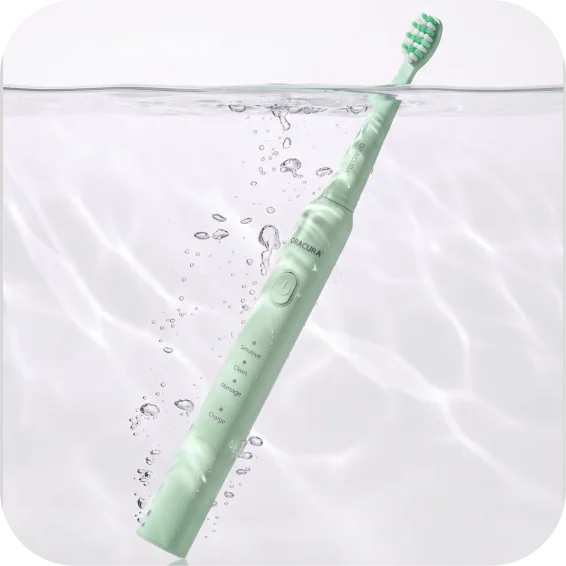
Despite daily brushing, plaque and gum issues silently threaten your smile and confidence. Oracura's dentist-trusted water flossers and sonic toothbrushes offer gentle, deep cleaning crafted for Indian homes. Paired with natural toothpaste, they ensure lasting oral health. Join 200,000+ happy users and transform your dental care for healthier teeth and gums. Shop Now!
The Persistent Challenge of Plaque Accumulation
Plaque forms constantly a nearly invisible biofilm of bacteria, food debris and saliva that coats every tooth surface shortly after eating. When allowed to mature undisturbed, it mineralizes into hard tartar, creating a rough haven for more bacteria and increasing the risk of cavities, gingivitis and eventual periodontal disease. While brushing removes the majority of plaque from broad facial and lingual surfaces, the interdental spaces and the critical sulcus just below the gumline remain vulnerable. These are precisely the zones where early inflammation often begins, yet they receive the least attention in rushed morning and evening routines.
Limitations of Conventional String Flossing
Dental associations worldwide continue to endorse traditional flossing because, in controlled settings, it can remove a substantial portion of interdental plaque frequently cited figures approach 80 percent when performed with ideal technique. Reality, however, looks different. Many adults report flossing irregularly and even regular users frequently miss deeper pockets, curve improperly around molars, or apply excessive force that irritates delicate tissue. The physical demands threading, wrapping, sawing and precise angling make the task feel tedious. For anyone with limited manual dexterity, crowded teeth, or simply a packed schedule, string floss often becomes the first step to be skipped.
Water Flossers: A Practical Evolution in Home Care
Water flossers represent a significant departure from thread-based methods. These devices direct a targeted, pulsating stream of water through a slender tip, dislodging debris and biofilm without requiring the user to navigate tight contacts manually. Adjustable pressure settings allow customization from a gentle rinse suitable for sensitive gums to a more vigorous flush for routine maintenance. Because water conforms to anatomy rather than fighting it, the stream penetrates subgingival areas, curves around dental work and cleans around orthodontic appliances far more readily than string ever could. The technology has matured into sleek, reliable formats that integrate seamlessly into daily hygiene.
The Science Behind Superior Plaque Disruption
The effectiveness of water flossing stems from hydrodynamic principles combined with strategic pulsation. The rapid on-off pressure cycles create micro-hydraulic forces that fracture and lift bacterial colonies from tooth surfaces and within the gingival sulcus. Clinical evaluations have repeatedly shown that properly used water flossers achieve plaque reductions comparable to and in many real-world scenarios exceeding those of string floss, particularly in patients wearing braces, fixed bridges, or implants. Beyond mechanical removal, the massaging action stimulates gingival blood flow, which supports tissue health and can reduce bleeding over weeks of consistent use. One controlled comparison documented plaque-score improvements frequently exceeding 85 percent after a single session, illustrating how thoroughly water can access and cleanse areas string struggles to reach.
- Pulsation breaks up tenacious biofilm without abrasive scraping.
- Variable pressure accommodates everything from healing tissue to routine cleaning.
- The fluid path navigates under pontics, around abutments and between crowded teeth effortlessly.
Designs Tailored to Modern Lifestyles
Today's water flossers address diverse living situations. Cordless, rechargeable models slip easily into a travel kit or gym bag. Shower-mounted and faucet-attached units eliminate countertop clutter in compact bathrooms. Larger countertop systems provide generous reservoirs and multiple tip options for families or thorough at-home care. Regardless of form factor, the essential components remain consistent: a water reservoir, precision-engineered tips, user-controlled pressure regulation and an ergonomic handle. The learning curve is gentle fill, select a tip, adjust strength and direct the stream. Within days, the routine feels as natural as brushing.
Particular Value for Orthodontics, Restorations and Sensitive Tissue
Patients with braces face amplified plaque-retention risks; brackets and archwires create numerous sheltered zones where food and bacteria collect. Water flossers clean both the facial and lingual sides of wires and brackets without catching or fraying. Individuals with dental implants, veneers, crowns, or fixed partial dentures gain similar advantages the pulsating stream reaches beneath pontics and around abutments where brushes and thread cannot follow. Those prone to gingival sensitivity often report less irritation and reduced bleeding because the water massage is inherently gentler than mechanical scraping. Several models carry the American Dental Association Seal of Acceptance for proven safety and efficacy in plaque removal and gingivitis reduction when incorporated into a regular oral-hygiene regimen.
Wider Adoption Reflects Tangible Benefits
According to industry analysis, the global water-flosser market reached USD 1,010 million in 2024, signaling broad consumer acceptance of these devices as practical additions to daily care. The growth reflects real-world outcomes: quicker sessions, fewer untouched areas, fresher-feeling teeth and gums that appear healthier within a matter of weeks. Dental professionals increasingly suggest water flossers to patients who struggle with traditional flossing compliance, recognizing that an easier, more effective option frequently translates into better long-term oral health.
Integrating Water Flossing into a Reliable Routine
For optimal results, brush first to loosen surface debris, then use the water flosser while gums remain slightly hydrated the synergy enhances cleansing. Select the tip that best matches your needs: a standard jet for general use, an orthodontic tip for braces, or a specialized periodontal tip for deeper pockets. Lukewarm water or a dilute antimicrobial rinse can be used in the reservoir. Position the tip at roughly a 90-degree angle to the tooth, pause briefly between each contact area and glide slowly along the gumline. Experienced users typically complete both arches in under sixty seconds. Mastery comes quickly; the key is daily repetition rather than flawless execution on the first attempt.
Practical Advice for Beginners
- Start on the mildest pressure setting until your gums acclimate.
- Lean forward over the basin to contain any overspray.
- Swap tips every three to six months to maintain hygiene.
- Rinse and air-dry the reservoir after each session to inhibit microbial growth.
Addressing Frequent Concerns and Misconceptions
A common question is whether water flossing fully replaces string floss. For many users it does; others prefer combining both for maximum interdental coverage. Cost anxieties often fade when entry-level units are compared against ongoing purchases of specialty floss and the potential expense of treating preventable gum disease. Water consumption remains negligible typically less than a single glass per use. The central doubt does it truly outperform traditional methods? finds strong support in clinical data and the steadily rising number of people who report smoother teeth and calmer gums after making the switch.
A Forward-Looking Commitment to Oral Wellness
Plaque formation never pauses, so proactive daily habits remain essential. Water flossers provide an accessible, evidence-supported upgrade that aligns with contemporary schedules while delivering cleaner, healthier results. They transform a frequently neglected step into an efficient, satisfying part of the morning and evening ritual. Reaching spaces that brushes and string routinely miss translates into fewer problem spots, more resilient gums and greater confidence in every smile. Tonight, fill the reservoir, adjust the pressure and experience the difference for yourself. Your teeth and your next dental visit will reflect the change.
Frequently Asked Questions
Do water flossers remove plaque more effectively than traditional string floss?
Water flossers use pulsating streams of water to break up and dislodge bacterial biofilm through hydrodynamic pressure, reaching subgingival areas and tight interdental spaces that string floss often misses. Clinical studies show plaque-score improvements exceeding 85% after a single session. They are especially superior for people with braces, dental implants, crowns, or limited manual dexterity, where string floss struggles to navigate complex surfaces.
Can a water flosser replace string floss entirely in my oral hygiene routine?
For many users, a water flosser can fully replace string floss and deliver equal or better plaque removal results particularly in real-world conditions where string floss technique is inconsistent. Some people choose to use both methods together for maximum interdental coverage. Dental professionals increasingly recommend water flossers to patients who struggle with traditional flossing compliance, as a tool that's actually used consistently outperforms one that's routinely skipped.
How do I use a water flosser correctly for the best plaque removal results?
For optimal results, brush first to loosen surface debris, then use the water flosser while gums are still slightly hydrated. Position the tip at a 90-degree angle to the tooth, pause briefly at each contact point and glide slowly along the gumline. Start on the lowest pressure setting to let your gums acclimate and replace tips every three to six months to maintain hygiene most users can clean both arches in under 60 seconds.
Disclaimer: The above helpful resources content contains personal opinions and experiences. The information provided is for general knowledge and does not constitute professional advice.
You may also be interested in: The Benefits of Combining Flossing and Brushing Tools - Oracura
Despite daily brushing, plaque and gum issues silently threaten your smile and confidence. Oracura's dentist-trusted water flossers and sonic toothbrushes offer gentle, deep cleaning crafted for Indian homes. Paired with natural toothpaste, they ensure lasting oral health. Join 200,000+ happy users and transform your dental care for healthier teeth and gums. Shop Now!
Powered by flareAI.co