Quick Listen:
In the quiet rhythm of our mornings and evenings, a simple routine holds remarkable power over long-term health. We often treat brushing as autopilot, yet the science behind daily oral care reveals how small, consistent habits can prevent decay, safeguard gums, and even influence broader well-being. Far from mere vanity, these practices rest on decades of clinical evidence from organizations like the American Dental Association and public health authorities.
Consider this: oral diseases affect approximately 3.5 billion n people globally, yet most issues stem from preventable plaque buildup and bacterial activity. By grounding our routines in verified recommendations, we move beyond guesswork toward habits that genuinely protect our smiles and our bodies.
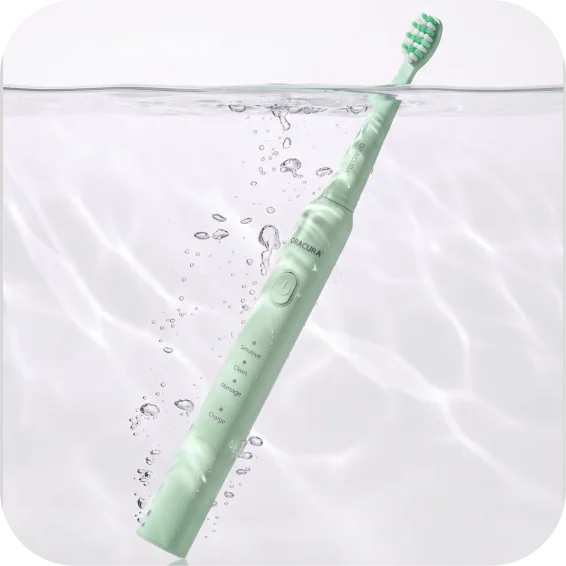
Despite daily brushing, plaque and gum issues silently threaten your smile and confidence. Oracura's dentist-trusted water flossers and sonic toothbrushes offer gentle, deep cleaning crafted for Indian homes. Paired with natural toothpaste, they ensure lasting oral health. Join 200,000+ happy users and transform your dental care for healthier teeth and gums. Shop Now!
The Foundation: Why Twice-Daily Brushing Matters
Brushing twice a day with fluoride toothpaste for two full minutes stands as the cornerstone of effective oral care. The American Dental Association emphasizes this frequency because evidence shows it optimally reduces the risk of caries and gingival issues compared to less consistent routines. A soft-bristled toothbrush, held at a 45-degree angle to the gums, allows gentle circular or short back-and-forth strokes to dislodge plaque without damaging enamel or irritating tissues.
Many rush through the motion in under a minute, but studies confirm that the full two minutes significantly improves plaque removal. Don't overlook the backs of teeth or the chewing surfaces. And remember to brush your tongue or use a dedicated scraper to clear bacteria that accumulate there, contributing to bad breath and re-colonizing teeth.
Replace your toothbrush every three to four months, or sooner if bristles fray. Electric brushes often make this easier by delivering more strokes per session, though manual ones work well when technique stays consistent.
Mastering Interdental Cleaning: Flossing and Beyond
Brushing alone reaches only about 60 percent of tooth surfaces. Cleaning between teeth daily removes the plaque and debris that a brush cannot touch, directly lowering risks of cavities and gum inflammation . The ADA recommends this step without exception, whether through traditional floss, water flossers, interdental brushes, or picks.
Technique counts: use about 18 inches of floss, wrap it around your middle fingers, and guide it gently in a C-shape around each tooth, sliding up and down to clean both sides. It may feel awkward at first, but persistence turns it into second nature. For those with dexterity challenges or braces, water flossers offer a practical alternative, though combining them with traditional flossing ensures biofilm disruption.
Evidence consistently links daily interdental cleaning to healthier gums and fewer periodontal problems. Skipping it leaves nearly half your tooth area vulnerable, allowing bacteria to thrive in those tight spaces.
The Role of Fluoride and Antimicrobial Support
Fluoride remains a proven ally in strengthening enamel and reversing early decay. Use fluoridated toothpaste and, when possible, drink fluoridated tap water. For added protection, especially if you face higher cavity risk, consider an antibacterial mouthwash after brushing and flossing.
Alcohol-free formulas work best to avoid drying the mouth, which can paradoxically encourage bacterial growth. Some rinses with essential oils or chlorhexidine have demonstrated additional reductions in plaque and gingivitis when added to a brushing-flossing regimen. These tools don't replace mechanical cleaning but enhance it by targeting bacteria brushing might miss.
Diet, Lifestyle, and Their Impact on Oral Health
Oral care extends beyond the bathroom sink. Limiting sugary foods and drinks curbs the fuel that bacteria convert into acids attacking teeth. A balanced diet rich in nutrients supports gum tissue and saliva production, nature's built-in cleanser and remineralizer.
Stay hydrated, chew sugar-free gum occasionally to stimulate saliva flow, and avoid tobacco in any form. For athletes or those in contact sports, a mouthguard prevents traumatic injuries that could complicate long-term dental health.
Emerging research also highlights connections between oral inflammation and systemic conditions, including cardiovascular health and diabetes management. While the mouth doesn't exist in isolation, consistent daily habits create a strong defensive line.
Common Misconceptions and Practical Adjustments
One persistent myth suggests flossing lacks strong evidence. While some older studies faced criticism for methodology, broader clinical consensus and real-world outcomes affirm its value in plaque control and gingivitis reduction. The key lies in daily consistency rather than perfection.
Another misconception involves brushing right after acidic meals or drinks. Waiting 30 to 60 minutes allows enamel to reharden, preventing abrasion. Similarly, aggressive scrubbing with hard bristles or excessive force can cause recession and sensitivity gentle persistence wins.
For busy schedules, integrate habits efficiently: keep floss in your bag or use a water flosser during evening wind-down. Parents can model routines for children, starting early to build lifelong habits. Those with dentures or implants require tailored cleaning to prevent fungal issues or peri-implant problems.
Building a Sustainable Routine
- Brush for two minutes twice daily with fluoride toothpaste.
- Clean between teeth once per day using your preferred method.
- Incorporate tongue cleaning and, if suitable, an antimicrobial rinse.
- Schedule regular dental visits for professional assessment and cleaning.
- Monitor changes like bleeding gums or sensitivity and address them promptly.
The Growing Awareness of Oral Health Worldwide
The demand for professional dental services continues to expand steadily, driven by rising awareness of oral health among the masses, greater disposable incomes, and advancements in dental technology. An aging population also seeks more care to maintain healthy teeth and gums. This growth reflects both greater recognition of preventive care and the persistent challenges many face in daily routines.
Yet the most powerful tools remain accessible at home: consistency, proper technique, and evidence-based choices. Practical insights show that small daily improvements can reduce the need for more intensive interventions later, easing the overall burden on both individuals and healthcare systems.
Looking Ahead: Small Habits, Lasting Rewards
Start where you are. Even improving one part of your routine perhaps adding thorough flossing or extending brush time can yield noticeable differences in freshness, reduced staining, and confidence. Over months and years, these practices compound into stronger enamel, healthier gums, and a lower burden on professional care.
Oral health isn't a luxury or an afterthought. It's a daily investment that pays dividends in comfort, appearance, and overall vitality. By treating these moments with intention rather than haste, we honor both the science and the simple pleasure of a healthy smile that lasts.
Frequently Asked Questions
How long should you brush your teeth and how often does science recommend?
You should brush your teeth twice a day for a full two minutes each session using fluoride toothpaste. Clinical evidence cited by the American Dental Association shows this frequency optimally reduces the risk of cavities and gum disease. Use a soft-bristled toothbrush held at a 45-degree angle to the gums for the most effective plaque removal without damaging enamel.
Is daily flossing really necessary, or is brushing enough for good oral health?
Brushing alone only reaches about 60% of tooth surfaces, leaving the spaces between teeth vulnerable to plaque and bacterial buildup. Daily interdental cleaning whether with traditional floss, a water flosser, or interdental brushes is essential for preventing cavities and gum inflammation. The ADA recommends it without exception, and skipping it leaves nearly half your tooth area unprotected.
What foods and lifestyle habits most affect your dental health?
Limiting sugary foods and drinks is one of the most impactful dietary choices you can make, as bacteria convert sugar into acids that erode tooth enamel. Staying hydrated, chewing sugar-free gum to stimulate saliva flow, and avoiding tobacco all support stronger teeth and healthier gums. Emerging research also links chronic oral inflammation to broader systemic conditions like cardiovascular disease and diabetes, making daily oral habits an investment in overall well-being.
Disclaimer: The above helpful resources content contains personal opinions and experiences. The information provided is for general knowledge and does not constitute professional advice.
You may also be interested in: How Transparent Brands Address Consumer Dental Concerns
Despite daily brushing, plaque and gum issues silently threaten your smile and confidence. Oracura's dentist-trusted water flossers and sonic toothbrushes offer gentle, deep cleaning crafted for Indian homes. Paired with natural toothpaste, they ensure lasting oral health. Join 200,000+ happy users and transform your dental care for healthier teeth and gums. Shop Now!
Powered by flareAI.co