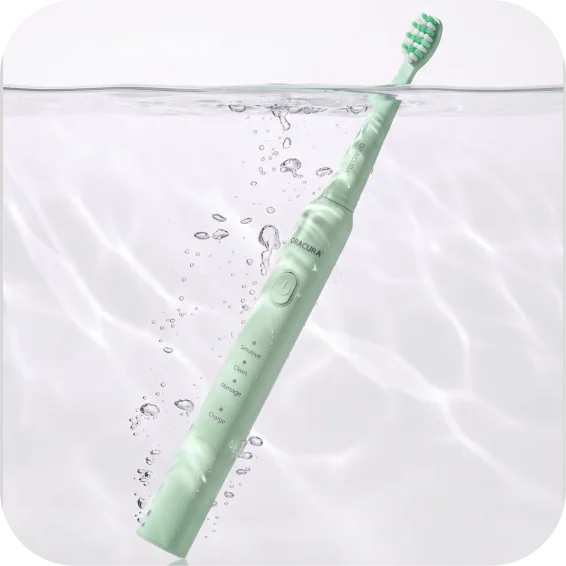
You wake up, brush your teeth, and perhaps rush out the door without flossing. That small daily decision may seem minor, yet it can influence far more than just your smile. Growing evidence reveals a clear connection between oral health and heart health, demonstrating how consistent everyday habits can safeguard or quietly challenge both systems.
The mouth functions as part of an interconnected whole. Inflammation stemming from gum disease may spread through the bloodstream, contributing to broader cardiovascular concerns. Fortunately, straightforward daily routines, practiced regularly, deliver meaningful protection for your gums, teeth, and heart alike. Here is how to cultivate habits that support your entire body, beginning right inside your mouth.
Despite daily brushing, plaque and gum issues silently threaten your smile and confidence. Oracura's dentist-trusted water flossers and sonic toothbrushes offer gentle, deep cleaning crafted for Indian homes. Paired with natural toothpaste, they ensure lasting oral health. Join 200,000+ happy users and transform your dental care for healthier teeth and gums. Shop Now!
The Surprising Link Between Your Mouth and Your Heart
For decades, medical professionals often viewed the mouth and heart as entirely separate domains. Today, that perspective has shifted. Poor oral hygiene permits bacteria and persistent inflammation to accumulate along the gumline. Eventually, these elements can enter circulation and affect blood vessels as well as heart tissue.
Although researchers continue exploring the precise pathways, the overall pattern stands out clearly: individuals with advanced gum disease frequently face elevated risks for heart-related conditions. The encouraging reality is that many actions supporting healthy gums also promote stronger cardiovascular function. Success comes not from flawless execution but from steady, practical steps that integrate naturally into daily life.
Start with the Basics: Brushing That Actually Works
Brushing twice daily forms the essential foundation. Dedicate at least two full minutes each session, using a soft-bristled toothbrush and fluoride toothpaste. Employ gentle circular motions instead of vigorous scrubbing, which can damage delicate gum tissue.
Many adults hurry through their morning routine and consider the task complete. Yet evening brushing often proves more critical, since saliva flow decreases during sleep and allows bacteria greater opportunity to thrive. Transforming this step into a reliable part of your wind-down ritual can enhance overnight recovery for both your mouth and your body.
Beyond the Brush: Why Interdental Cleaning Matters More Than You Think
Standard brushing reaches only about sixty percent of tooth surfaces. The tight spaces between teeth and along the gumline often trap plaque that fuels inflammation. While traditional string floss helps some people effectively, others find it awkward or difficult to use consistently.
Water flossers, also called oral irrigators, have become increasingly popular as a practical solution. These devices direct a precise stream of water to remove debris and reduce bacterial buildup in challenging areas. Many users quickly notice a cleaner feeling in their mouth, which often motivates continued regular use.
Market observations indicate growing interest in these tools as effective aids for maintaining oral hygiene beyond conventional methods. This rising awareness underscores their value in supporting more thorough at-home care routines.
Making Water Flossing Part of Your Routine
Adding a water flosser requires no major lifestyle overhaul. Begin with once-daily use, ideally in the evening, with warm water and a standard jet tip. Position the stream at roughly a ninety-degree angle to the gumline and guide it methodically from one tooth to the next.
Within a few weeks, many people observe reduced gum bleeding and noticeably fresher breath. The gentle pulsating water can also provide a light massage that improves local circulation. Those with braces, dental implants, or deeper periodontal pockets may benefit from specialized tips designed for their needs.
Combine water flossing with thorough brushing to create a complete home regimen that feels comprehensive yet fits comfortably within a busy schedule. Consistency ultimately delivers greater results than occasional intense efforts.
What You Eat Shapes Both Smile and Heart
Diet exerts a powerful influence on both oral and cardiovascular health. Foods high in sugar and refined starches nourish harmful oral bacteria, generating acids that erode enamel and intensify inflammation. The same dietary patterns can promote weight gain, unstable blood sugar, and increased strain on the heart.
Emphasize whole foods known to combat inflammation across multiple systems: leafy greens, fresh berries, fatty fish abundant in omega-3 fatty acids, nuts, and high-quality olive oil. Crisp vegetables such as celery or carrots offer a mild natural scrubbing effect while supplying beneficial fiber that supports heart function .
Reduce between-meal snacking on sweets or sugary drinks. When you do enjoy them, a simple water rinse afterward helps neutralize acids. Thoughtful substitutions sparkling water in place of soda or fresh herbs instead of excess salt accumulate benefits without creating a sense of deprivation.
Movement, Stress, and Sleep: The Invisible Daily Supports
Regular physical activity strengthens the heart directly while indirectly benefiting gums by lowering systemic inflammation and enhancing blood flow. A thirty-minute walk each day can produce noticeable improvements over time.
Ongoing stress elevates cortisol levels, which may aggravate gum inflammation and place additional burden on the cardiovascular system. Brief practices such as deep breathing exercises, short mindfulness sessions, or time spent outdoors can help regulate both responses effectively.
Sleep deserves equal priority. Deep restorative rest allows the body to repair tissues throughout the mouth and heart. Strive for consistent bedtime habits that enable seven to nine hours whenever possible.
Breaking Common Habits That Undermine Progress
Tobacco use, whether smoking or other forms, harms blood vessels and gum tissue simultaneously, sharply increasing risks for heart disease and advanced periodontal problems. Quitting yields positive effects at any age or stage.
Excessive alcohol consumption tends to dry the mouth and encourage bacterial overgrowth. Moderate intake paired with ample hydration helps protect both oral and heart health.
Irregular dental check-ups represent another quiet risk factor. Professional cleanings eliminate hardened tartar that daily home care cannot fully remove and enable early identification of issues that might influence overall systemic wellness.
Putting It All Together: A Realistic Daily Flow
A practical daily routine could include these elements:
- Morning: A full two-minute brushing session with fluoride toothpaste, followed by a quick water rinse.
- Evening: Thorough brushing, then one to two minutes with a water flosser.
- Throughout the day: Select anti-inflammatory foods, maintain good hydration, and incorporate movement where possible.
- Weekly: Pause to assess stress levels and make small adjustments as needed.
This approach avoids rigid checklists. Instead, it offers a flexible structure that accommodates demanding schedules while generating cumulative advantages across months and years.
Common Questions About Oral and Heart Health Habits
People frequently ask whether water flossers can fully replace traditional string floss. In practice, they function well as a strong complement or convenient alternative, particularly for those who find string floss challenging, and often demonstrate superior effectiveness at lowering plaque and bleeding.
Another common question concerns the timeline for visible changes. Some individuals experience fresher breath and reduced gum sensitivity within just a few weeks, while deeper benefits to overall health emerge gradually through sustained commitment.
Is expert advice essential? Yes. Dentists and physicians can customize recommendations based on personal risk factors, current medications, or specific health conditions.
Small Steps, Lasting Impact
The interplay between oral care and heart health underscores how the body operates as one integrated system. Dramatic changes or costly solutions are rarely necessary. Instead, reliable daily habits effective brushing, thorough interdental cleaning with tools such as a water flosser, nutrient-rich eating patterns, regular movement, and effective stress management build a solid foundation that nurtures both your smile and your cardiovascular well-being.
Begin with one or two modest adjustments this week. Notice how your mouth responds and how your overall energy may improve. In time, these understated choices often become among the most rewarding investments in your long-term health.
Ultimately, they transform from mere tasks into meaningful acts of self-care that feel both practical and deeply sustaining.
Frequently Asked Questions
How does poor oral health affect heart health?
Poor oral hygiene allows bacteria and inflammation to build up along the gumline, which can enter the bloodstream and affect blood vessels and heart tissue. Research shows that individuals with advanced gum disease frequently face elevated risks for heart-related conditions. The good news is that many habits that support healthy gums like regular brushing, flossing, and a balanced diet also promote stronger cardiovascular function.
Is a water flosser better than regular string floss for gum health?
Water flossers are a highly effective complement or alternative to traditional string floss, especially for people who find string flossing difficult or uncomfortable. These devices use a precise stream of water to remove debris and reduce bacterial buildup in hard-to-reach areas between teeth and along the gumline. Many users report reduced gum bleeding and fresher breath within just a few weeks of consistent use.
What daily habits support both oral health and heart health?
A well-rounded daily routine that benefits both your mouth and heart includes brushing for two full minutes twice a day with fluoride toothpaste, using a water flosser in the evening, and eating anti-inflammatory foods like leafy greens, berries, and omega-3-rich fish. Regular physical activity, stress management, quality sleep, and limiting tobacco and alcohol use further protect both systems. Routine dental check-ups are also essential, as professional cleanings remove hardened tartar that home care alone cannot fully address.
Disclaimer: The above helpful resources content contains personal opinions and experiences. The information provided is for general knowledge and does not constitute professional advice.
You may also be interested in: The Connection Between Oral Health and Heart Disease - Oracura
Despite daily brushing, plaque and gum issues silently threaten your smile and confidence. Oracura's dentist-trusted water flossers and sonic toothbrushes offer gentle, deep cleaning crafted for Indian homes. Paired with natural toothpaste, they ensure lasting oral health. Join 200,000+ happy users and transform your dental care for healthier teeth and gums. Shop Now!
Powered by flareAI.co