Quick Listen:
The simple act of brushing teeth has become a focal point of innovation. A leading industry analysis highlights that the toothbrush category remains one of the dominant forces in the global oral care landscape, capturing the largest revenue share among oral care products as consumers search for more effective daily hygiene solutions.
Despite daily brushing, plaque and gum issues silently threaten your smile and confidence. Oracura's dentist-trusted water flossers and sonic toothbrushes offer gentle, deep cleaning crafted for Indian homes. Paired with natural toothpaste, they ensure lasting oral health. Join 200,000+ happy users and transform your dental care for healthier teeth and gums. Shop Now!
Why Manual Toothbrushes Still Hold Strong
For generations, the classic manual toothbrush has been the go-to choice for billions of people worldwide. Its advantages are hard to dispute: zero charging required, rock-bottom cost, effortless portability and complete user control over every brushing motion. When someone develops solid technique short, gentle strokes at a 45-degree angle, methodical coverage of all surfaces and a strict two-minute routine the results can be excellent.
Yet even the most disciplined manual brushers face an inherent limitation. Human hands tire, attention wanders and pressure varies unconsciously. Plaque often lingers in the tight crevices between teeth and along the gumline precisely because wrist-powered motion lacks the consistent speed and uniformity needed to dislodge stubborn biofilm completely.
The Science Behind Electric Brushing Superiority
Electric toothbrushes especially sonic models address those shortcomings with high-frequency vibrations that create fluid dynamics in the mouth. Thousands of micro-movements per minute sweep fluid between teeth and below the gumline, reaching places a manual brush struggles to access. Multiple independent clinical studies have demonstrated that powered brushes remove significantly more plaque and reduce gingivitis more effectively than manual brushing over periods as short as four to twelve weeks.
Modern electric models go further by incorporating smart features that guide behavior rather than rely solely on user discipline. Built-in two-minute timers with quadrant pacing keep people brushing long enough, while pressure sensors provide real-time feedback to prevent over-brushing that can damage enamel and irritate gums. For individuals with dexterity challenges, fixed orthodontic appliances, or a history of inconsistent routines, these technological assists frequently translate into measurably better oral health outcomes.
Oracura's Practical Approach to Electric Innovation
Among the growing number of brands entering the electric toothbrush space, Oracura has carved out a reputation for delivering dentist-endorsed performance without extravagant pricing. Their current lineup caters to a wide spectrum of users, from those seeking simplicity to individuals who appreciate customizable brushing experiences.
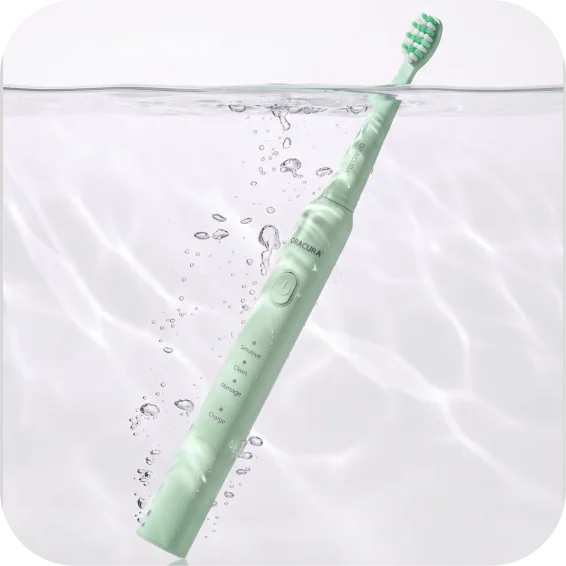
Flagship models such as the SB300 Sonic Smart offer multiple modes sensitive, whitening, deep clean along with adjustable intensity settings so users can fine-tune the experience to their specific needs. For people who prefer minimalism, the SB200 Sonic Lite provides reliable sonic cleaning power in a streamlined package. USB-rechargeable batteries that hold a charge for weeks, IPX7 waterproof construction, affordable replacement heads and solid warranty coverage round out the practical advantages that make these brushes realistic upgrades rather than luxury items.
Side-by-Side Comparison: Daily Realities
- Thoroughness of clean: The high-speed sonic action leaves teeth feeling noticeably smoother and cleaner, often described as a “just-from-the-dentist” sensation even on ordinary days.
- Physical effort involved: Manual brushing requires active scrubbing and precise angling; electric models ask only that you guide the brush head slowly across each surface while the device does the heavy lifting.
- Behavioral support: Timers, mode indicators and pressure alerts turn brushing into a structured, almost foolproof routine instead of an activity left to memory and habit.
- Long-term economics: Although manual brushes cost less upfront, many users report that the reduced need for professional cleanings and the confidence of better home care offset the expense of periodic electric head replacements.
Which Users See the Biggest Gains from Switching?
An electric toothbrush is not a universal necessity. Dedicated manual brushers who consistently achieve thorough coverage, visit the dentist regularly and show no signs of persistent plaque or early gum issues may continue to thrive with their trusted plastic-and-nylon tool. Proper technique frequently outweighs hardware.
That said, certain groups tend to experience outsized benefits when they make the switch. Parents juggling morning chaos, frequent travelers tired of hotel toothbrush quality, individuals managing arthritis or limited hand mobility, teenagers wearing braces and anyone who has repeatedly heard “you missed a spot” at check-ups often find that the automation and feedback built into electric models help close the gap between intention and actual performance.
Responding to the Most Common Hesitations
Cost remains the number-one barrier for many prospective buyers. While premium models can carry steep price tags, mid-range options like those from Oracura deliver proven sonic technology at a fraction of flagship prices, making the upgrade accessible to far more households than ever before.
Another frequent concern is the perception that electric brushes feel overly aggressive. Contemporary designs counter this worry with dedicated sensitive modes that reduce vibration intensity while preserving cleaning efficacy often matching or exceeding the gentleness of a soft manual brush. Battery anxiety has largely disappeared too; modern rechargeable cells routinely last two to four weeks between charges and compact USB chargers slip easily into carry-on luggage.
Environmental considerations deserve mention as well. Disposable manual brushes do produce less electronic waste, yet several responsible brands now provide recycling programs for used heads, helping narrow the sustainability gap.
The Broader Evolution of Everyday Oral Care
As awareness of preventive dentistry grows, more people view their toothbrush not merely as a cleaning tool but as an active partner in long-term health. Features once reserved for high-end devices long battery life, intelligent brushing guidance, customizable modes are steadily migrating into mainstream price brackets, democratizing access to superior plaque control.
Choosing between manual and electric brushing ultimately comes down to personal circumstances, budget and oral health priorities. A well-executed manual routine can deliver outstanding results for disciplined users. Yet for a great many others, the combination of deeper cleaning power, behavioral nudges and reduced effort offered by a quality electric model represents a meaningful step forward in daily care.
Whatever path you follow, consistency and technique remain the true foundations of a healthy smile. The technology can amplify good habits but it cannot create them. When those habits are strong, whether powered by wrist or motor, the outcome is the same: teeth and gums that stay strong and confident for years to come.
Frequently Asked Questions
Is switching from a manual to an electric toothbrush worth the cost?
For many users, the investment pays off over time through better plaque control and potentially fewer professional dental cleanings. Mid-range sonic toothbrushes now deliver dentist-endorsed performance at accessible price points, making the upgrade realistic for most households. Those who benefit most include people with limited hand mobility, braces, inconsistent brushing habits, or anyone who regularly hears they've missed spots at dental check-ups.
What features should I look for when choosing an electric toothbrush?
Key features to prioritize include a built-in two-minute timer with quadrant pacing, a pressure sensor to prevent enamel damage and multiple brushing modes (such as sensitive, whitening and deep clean) to suit different needs. Long battery life, USB rechargeability and IPX7 waterproofing are also practical must-haves especially for travelers. Affordable replacement head availability is another factor that affects the long-term cost of ownership.
Are electric toothbrushes actually better than manual toothbrushes for removing plaque?
Yes, electric toothbrushes especially sonic models are clinically proven to remove more plaque and reduce gingivitis more effectively than manual brushing. Their high-frequency vibrations create fluid dynamics that reach tight crevices between teeth and along the gumline where manual brushes often fall short. That said, a manual toothbrush used with excellent technique can still deliver great results for disciplined brushers.
Disclaimer: The above helpful resources content contains personal opinions and experiences. The information provided is for general knowledge and does not constitute professional advice.
You may also be interested in: Experts Review Ten Years of Progress in Toothbrush Design - Oracura
Despite daily brushing, plaque and gum issues silently threaten your smile and confidence. Oracura's dentist-trusted water flossers and sonic toothbrushes offer gentle, deep cleaning crafted for Indian homes. Paired with natural toothpaste, they ensure lasting oral health. Join 200,000+ happy users and transform your dental care for healthier teeth and gums. Shop Now!
Powered by flareAI.co