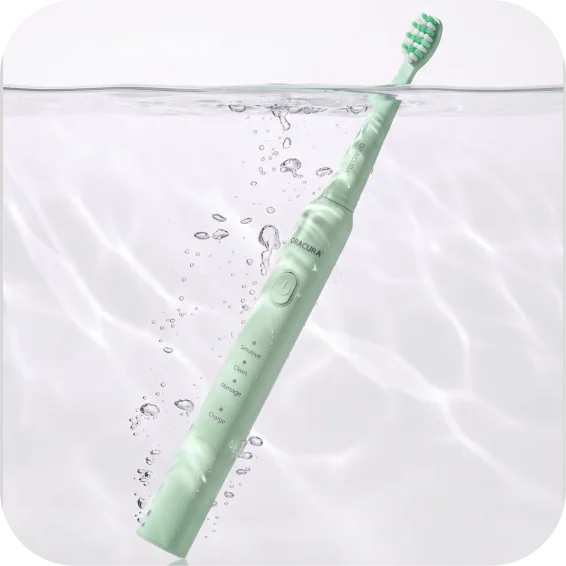
In the fast-moving urban centers of India Mumbai's crowded lanes, Delhi's relentless pace, Bengaluru's tech-driven rhythm, Chennai's coastal bustle, and Kolkata's historic vibrancy a silent health challenge continues to grow: gum disease. Bleeding gums, lingering bad breath, and the gradual risk of tooth loss affect millions who often brush off the early warning signs. Yet a growing body of evidence points to one straightforward change that can help turn the tide: switching from a manual to an electric toothbrush . Gum disease begins as gingivitis inflammation of the gums and, when ignored, can progress to periodontitis, a more serious condition that damages the supporting structures of the teeth. In India's major cities, lifestyle realities such as chronic stress, irregular eating patterns, high sugar consumption, and widespread tobacco use intensify the problem, making what should be largely preventable a frequent reason for dental visits.
Despite daily brushing, plaque and gum issues silently threaten your smile and confidence. Oracura's dentist-trusted water flossers and sonic toothbrushes offer gentle, deep cleaning crafted for Indian homes. Paired with natural toothpaste, they ensure lasting oral health. Join 200,000+ happy users and transform your dental care for healthier teeth and gums. Shop Now!
The Scale of Gum Disease in Urban India
Oral health challenges remain widespread across the country. Systematic reviews and large-scale surveys consistently show that periodontal conditions affect a substantial proportion of Indian adults, with moderate to severe forms especially common in densely populated urban areas. Cities like Delhi, Mumbai, Bengaluru, Chennai, and Kolkata report particularly high rates of gingivitis and early periodontitis, driven by the combination of modern dietary habits and demanding daily schedules that often leave little room for thorough oral care.
Beyond the mouth, untreated gum disease is increasingly understood to contribute to broader systemic health risks, including poorer control of diabetes and elevated cardiovascular concerns issues already prevalent in India's urban populations. The good news is that consistent, effective plaque removal remains one of the most powerful tools for prevention, and that is where technology is beginning to make a measurable difference.
Why Electric Toothbrushes Are Gaining Momentum in India's Metros
Across Mumbai, Delhi, Bengaluru, Chennai, and Kolkata, more households are quietly upgrading their oral care routines. Urban professionals, young families, and health-conscious individuals are turning to electric toothbrushes for the promise of better plaque control and healthier gums with less effort.
Several forces are driving this shift: rising disposable incomes, wider e-commerce availability, greater awareness through social media and dental professionals, and the appeal of features such as built-in timers, pressure sensors, and oscillating or sonic cleaning action. In southern cities like Bengaluru and Chennai, adoption tends to be especially strong among wellness-oriented communities, while Delhi and Mumbai see rapid uptake among time-pressed working adults who value efficiency without compromising results.
What Clinical Evidence Tells Us About Electric Brushes and Gum Health
Numerous peer-reviewed studies, including research conducted in India and globally, show that electric toothbrushes consistently outperform manual brushing when it comes to removing plaque and reducing signs of gingivitis. Powered brushes typically achieve superior plaque reduction frequently in the range of 11–21% more effective in short- and medium-term use leading to lower levels of gum inflammation and bleeding.
Indian clinical trials and observational data from urban dental practices reinforce these findings. Patients who switch to electric models often display noticeable improvements in gingival health scores within weeks, particularly when previous manual technique left plaque in hard-to-reach areas. Dentists in major cities increasingly recommend electric brushes to patients showing early gum problems, citing the combination of mechanical efficiency and user-friendly design as key advantages for long-term maintenance.
Everyday Impact: Experiences from India's Major Cities
In Mumbai's busy dental clinics, periodontists report that patients using electric toothbrushes for three months or longer frequently show reduced gum bleeding and less plaque accumulation at follow-up visits. Delhi professionals juggling long commutes and high-pressure jobs appreciate how two-minute timers and quadrant pacing reminders ensure more complete brushing even on rushed mornings.
Bengaluru's health-aware residents often pair electric brushing with other wellness habits, noting improved gum comfort and fresher breath. Similar patterns appear in Chennai and Kolkata, where growing sections of the middle class are moving away from purely traditional routines toward tools that deliver visibly better results. Across these cities, the common thread is fewer emergency visits for painful gum flare-ups once consistent electric brushing becomes habit.
Answering the Most Common Hesitations
Resistance to change is natural. Many people say, “I'm perfectly happy with my manual brush,” having used the same method for years. Others confess, “I hadn't even heard of electric toothbrushes or water flossers until recently.” A recurring concern is whether rapid vibrations might harm enamel or irritate gums.
Clinical evidence and modern design address these worries directly. Quality electric toothbrushes equipped with pressure sensors actually help prevent over-brushing and gum abrasion often making them gentler than vigorous manual scrubbing. Brands that prioritize genuine quality, international standards, value for money, and strong after-sales support make the transition far less daunting. Oracura, for example, brings more than ten years of specialized experience in advanced oral care, combining effective performance with reliable customer service that helps users feel confident about the switch.
Barriers to Overcome and Realistic Next Steps
Affordability remains the single biggest hurdle in a price-sensitive market, restricting access mostly to middle- and upper-income urban households for now. Awareness gaps and long-standing cultural preference for manual methods also slow broader adoption.
Yet the trajectory is encouraging. Dental clinics and oral care brands have an opportunity to collaborate on patient education, demonstration programs, and affordable entry-level models. As prices gradually ease and trust in the category grows, electric toothbrushes can play a larger role in preventive oral health across India's cities.
Related categories offer context: consumer interest in at-home oral care tools continues to rise steadily, reflecting a broader willingness to invest in convenient, effective solutions for daily hygiene.
A Clearer Path to Healthier Gums in Urban India
Electric toothbrushes are not a miracle cure, but they represent one of the most practical, evidence-supported steps individuals can take to reduce plaque, control gingivitis, and protect gum health amid modern urban life. For anyone in Mumbai, Delhi, Bengaluru, Chennai, or Kolkata who notices occasional bleeding, sensitivity, or persistent plaque despite regular brushing, making the change could deliver meaningful improvement.
The most effective approach pairs consistent electric brushing with periodic dental check-ups, mindful technique, and if recommended complementary tools such as interdental cleaning. As more people experience the difference and word spreads through families, workplaces, and social circles, the potential exists to shift oral health outcomes across India's major cities one small, daily habit at a time.
Frequently Asked Questions
Are electric toothbrushes better than manual brushes for preventing gum disease?
Yes, clinical evidence consistently shows that electric toothbrushes outperform manual brushing for plaque removal and reducing gingivitis. Studies indicate powered brushes can be 11–21% more effective at plaque reduction, leading to lower gum inflammation and bleeding. This makes them a particularly strong choice for anyone already showing early signs of gum disease.
Can electric toothbrushes damage gums or enamel with their vibrations?
This is a common concern, but quality electric toothbrushes are actually designed to be gentler on gums than vigorous manual scrubbing. Most modern models include pressure sensors that alert you when you're brushing too hard, actively helping to prevent gum abrasion and enamel wear. Used correctly, they're safe for daily use and recommended by dentists for patients with sensitive or inflamed gums.
How quickly can I see improvements in gum health after switching to an electric toothbrush?
Many patients report noticeable improvements in gum health within just a few weeks of switching. Dental observations from urban Indian clinics show reduced gum bleeding and less plaque buildup at follow-up visits for patients who have used electric toothbrushes consistently for three months or more. Results are most pronounced in people whose manual brushing technique previously left plaque in hard-to-reach areas.
Disclaimer: The above helpful resources content contains personal opinions and experiences. The information provided is for general knowledge and does not constitute professional advice.
You may also be interested in: Treating Gum Disease: Varying Severity Impacts Approach - Oracura
Despite daily brushing, plaque and gum issues silently threaten your smile and confidence. Oracura's dentist-trusted water flossers and sonic toothbrushes offer gentle, deep cleaning crafted for Indian homes. Paired with natural toothpaste, they ensure lasting oral health. Join 200,000+ happy users and transform your dental care for healthier teeth and gums. Shop Now!
Powered by flareAI.co