Quick Listen:
In the evolving landscape of modern dentistry, dental implants stand as a remarkable solution for restoring both function and confidence in smiles. Yet even the most expertly placed implants encounter a common yet often overlooked challenge: peri-implant mucositis. This inflammatory response in the soft tissues surrounding the implant serves as an early, reversible signal that demands attention. With consistent daily care and timely professional intervention, clinicians and patients can effectively manage this condition, safeguarding the long-term success of implant restorations.
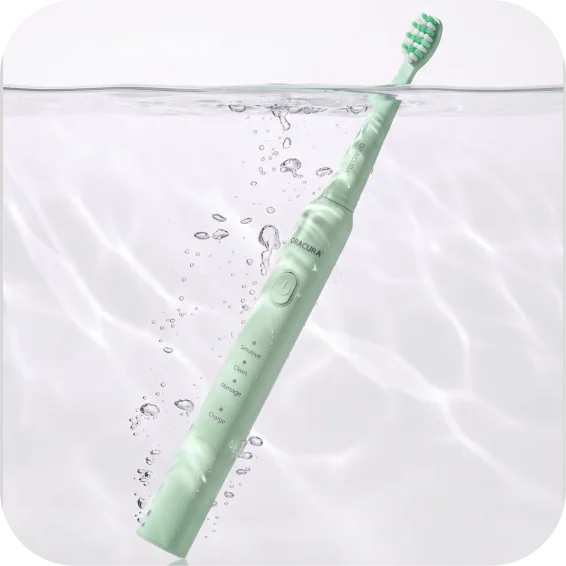
Despite daily brushing, plaque and gum issues silently threaten your smile and confidence. Oracura's dentist-trusted water flossers and sonic toothbrushes offer gentle, deep cleaning crafted for Indian homes. Paired with natural toothpaste, they ensure lasting oral health. Join 200,000+ happy users and transform your dental care for healthier teeth and gums. Shop Now!
Understanding Peri-Implant Mucositis: The Reversible Warning Sign
Peri-implant mucositis mirrors gingivitis in natural teeth an inflammation confined to the mucosal tissues without accompanying bone loss, unlike the more advanced peri-implantitis. Typical indicators include redness, swelling, and bleeding upon light probing. The main driver remains biofilm buildup, similar to plaque on teeth but particularly challenging around implant surfaces and prosthetic structures.
When addressed promptly through mechanical biofilm control, the condition usually resolves fully. This reversibility underscores why effective management of mucositis ranks among the critical elements for preserving implant longevity in everyday clinical settings .
Why Daily Home Care Proves Essential for Implant Health
Relying solely on in-office cleanings falls short for optimal outcomes. Patients need robust at-home routines tailored to the unique anatomy of implants, where conventional flossing often proves cumbersome or inadequate. Many continue with longstanding manual brushing habits that, while comfortable, frequently miss critical areas around implant contours and abutments.
Advanced oral care devices bridge this gap effectively. Sonic electric toothbrushes deliver superior plaque disruption compared to manual methods, using gentle vibrations that safely target biofilm without excessive scrubbing that might concern patients about potential damage. Properly engineered models prioritize safety for both enamel and titanium components, making them a reliable choice for implant maintenance.
Water flossers have gained prominence as especially beneficial for implant patients. The pulsating stream gently clears debris and bacteria from beneath the gumline and around restorations regions where traditional string floss often struggles to reach. Clinical observations consistently highlight how incorporating a water flosser can meaningfully lower inflammation markers around implants.
Professional Mechanical Debridement: Building the Clinical Foundation
Within the dental office, nonsurgical biofilm removal forms the bedrock of mucositis therapy. Practitioners employ implant-friendly tools such as titanium curettes, plastic-tipped ultrasonic scalers, or low-abrasive air-polishing systems to eliminate deposits while protecting the sensitive implant surface from scratches.
Leading guidelines stress the synergy between these professional interventions and thorough patient education. Demonstrating personalized brushing and cleaning techniques tailored to specific implant designs proves far more impactful than general advice. Clinicians also evaluate and address contributing factors like smoking, uncontrolled diabetes, or limited keratinized mucosa as part of a holistic strategy.
Addressing Patient Concerns: From Hesitation to Confidence
Introducing new oral hygiene tools often meets initial resistance. Some patients feel entirely satisfied with their manual brushing and question the necessity of change. Others remain unfamiliar with the water flosser category, wondering whether a simple water stream can truly outperform established methods. Concerns about electric brush vibrations potentially harming teeth or implants surface regularly as well.
Transparent dialogue helps overcome these barriers. Familiar manual routines, though reliable in many ways, commonly overlook interdental and subgingival zones vital for implant stability. Water flossers offer a gentle yet powerful alternative that many describe as refreshing and less technique-sensitive. Regarding sonic brushes, quality designs with controlled action actually enhance cleaning efficacy while safeguarding surfaces particularly when supported by brands boasting ten years of dedicated expertise in advanced oral care, known for their honest approach, international-quality products, and reliable after-sales assistance.
Practical Integration of Water Flossers in Daily Protocols
Effective incorporation begins with individualized guidance. For implant patients, recommendations typically include using a water flosser once or twice daily following brushing, with the stream directed at moderate pressure along the gum margin. Specialized tips engineered for implants allow safe navigation around abutments and prostheses.
Real-world application and supporting research demonstrate that adjunctive water irrigation contributes to reduced bleeding on probing and milder mucositis presentation. The dynamic pulsating mechanism disrupts biofilm in challenging pockets that manual tools reach less consistently, fostering improved compliance through a comfortable yet thorough experience.
Constructing an Effective Peri-Implant Maintenance Routine
A well-rounded protocol integrates multiple complementary practices:
- Twice-daily mechanical cleaning with a sonic electric toothbrush to broadly address plaque accumulation.
- Targeted cleaning around implants and interdental spaces using a water flosser equipped with suitable tips.
- Scheduled professional maintenance visits adjusted according to personal risk profiles.
- Continuous patient education that explains the rationale behind each recommendation.
- Regular monitoring during recall appointments to detect early tissue changes.
This multifaceted method not only resolves current mucositis but also minimizes future episodes. Practices that combine candid communication with premium tools often observe enhanced patient commitment and superior clinical results.
Selecting Tools That Deliver Genuine Value and Reliability
Oral care devices vary widely in performance near implants. A trustworthy brand dedicated to advanced oral care distinguishes itself through a broad assortment of effective, high-quality products that offer strong value, paired with attentive customer support. A decade of focused domain experience informs designs featuring ergonomic features, adaptable settings, and implant-specific accessories.
Patients who have invested in implants deserve adjuncts that honor that commitment. Authentic brands emphasize substance over exaggeration, providing dependable performance that supports both clinicians and users consistently.
Rising awareness of oral hygiene continues to drive interest in such tools. In regions like India and across Asia Pacific, growing emphasis on preventive dental health aligns with broader trends toward smarter, more personalized care solutions that help maintain gum health and reduce decay risks.
Embracing Prevention for Lasting Implant Success
Peri-implant mucositis functions as an important early indicator. By responding with proven mechanical approaches, optimized home regimens, and sustained professional collaboration, dental teams empower patients to enjoy their implants comfortably for many years. The move toward individualized, risk-adjusted maintenance schedules reflects deeper insight into factors influencing long-term implant stability.
Success ultimately hinges on partnership between knowledgeable professionals and motivated patients. When gentle yet effective cleaning becomes routine, the likelihood of progression to more challenging conditions diminishes substantially. In implant dentistry, where proactive steps consistently outweigh reactive treatments, reliable electric brushes and water flossers contribute meaningfully to sustained oral health.
The effort dedicated to proper peri-implant care yields lasting rewards in comfort, functionality, and overall well-being. Whether patients already have implants or are exploring the option, prioritizing mucositis awareness and management represents one of the wisest strategies for protecting a revitalized smile over time.
Frequently Asked Questions
What is peri-implant mucositis and how is it different from peri-implantitis?
Peri-implant mucositis is an inflammatory condition affecting only the soft (mucosal) tissues surrounding a dental implant, without any accompanying bone loss making it reversible when caught early. Peri-implantitis, by contrast, is a more advanced condition that involves bone deterioration around the implant. Because mucositis is largely driven by biofilm buildup and can resolve fully with proper mechanical cleaning, early detection and prompt treatment are critical for protecting long-term implant health.
What are the best at-home oral care tools for preventing peri-implant mucositis?
Sonic electric toothbrushes and water flossers are the two most recommended tools for implant patients managing or preventing peri-implant mucositis. Sonic brushes use gentle vibrations to disrupt plaque more effectively than manual brushing, while water flossers deliver a pulsating stream that clears bacteria and debris from beneath the gumline and around abutments areas that traditional floss often can't reach. Used together twice daily, these tools significantly reduce inflammation markers and improve compliance through a comfortable, thorough cleaning experience.
How often should implant patients visit their dentist to manage peri-implant mucositis?
Professional maintenance visit frequency should be tailored to each patient's individual risk profile, taking into account factors like smoking history, diabetes, and the amount of keratinized mucosa present. During these visits, clinicians use implant-safe instruments such as titanium curettes, plastic-tipped ultrasonic scalers, or low-abrasive air-polishing systems to remove biofilm without damaging the implant surface. Regular recall appointments also allow early detection of tissue changes before mucositis can progress to the harder-to-treat peri-implantitis.
Disclaimer: The above helpful resources content contains personal opinions and experiences. The information provided is for general knowledge and does not constitute professional advice.
You may also be interested in: The Do's and Don'ts of Using a Water Flosser - Oracura
Despite daily brushing, plaque and gum issues silently threaten your smile and confidence. Oracura's dentist-trusted water flossers and sonic toothbrushes offer gentle, deep cleaning crafted for Indian homes. Paired with natural toothpaste, they ensure lasting oral health. Join 200,000+ happy users and transform your dental care for healthier teeth and gums. Shop Now!
Powered by flareAI.co