In the vibrant chaos of Mumbai's bustling streets, where the tantalizing scents of vada pav and pav bhaji compete with the salty whispers of the Arabian Sea, or in Delhi's relentless traffic jams where discussions ebb and flow like the mighty Yamuna River, maintaining fresh breath transcends mere courtesy it's essential for navigating those marathon meetings and spontaneous social exchanges. However, in India's dynamic urban landscapes, from Bengaluru's innovative tech corridors to Chennai's breezy coastal workplaces and Kolkata's rich cultural assemblies, bad breath, medically known as halitosis, can ambush even the most attentive individuals. Leveraging the latest research on oral hygiene tailored to these metropolises, this piece uncovers actionable strategies to fend it off, fueled by heightened consciousness in a country where more than 95 percent of adults contend with dental cavities, underscoring a national imperative for better mouth care.
Halitosis impacts countless individuals across India, frequently arising from inadequate oral maintenance in the midst of hectic city lifestyles. In Mumbai and Delhi, where environmental pollution and mounting stress intensify dental woes, evidence indicates that overlooked gum care extends beyond mere unpleasant odors it connects to wider health implications. According to insights from the Ministry of Health and Family Welfare, between 60 and 80 percent of children encounter dental spacing and jaw misalignment, foreshadowing persistent issues into their adult years. This pattern is especially pronounced in Bengaluru, where IT experts frequently cite elevated halitosis occurrences linked to erratic eating patterns and excessive caffeine consumption.
With India's oral care market poised to escalate toward US$3.2 billion by 2033, propelled by escalating health mindfulness in locales such as Chennai and Kolkata, shoppers are increasingly gravitating toward cutting-edge remedies. Innovations including water flossers, electric toothbrushes, and herbal toothpastes are capturing market share, catering to a demographic where eight in ten youngsters endure oral ailments. This discussion examines five uncomplicated approaches to sustain minty breath, integrating current tendencies, obstacles, and prospects pertinent to India's burgeoning oral hygiene industry.
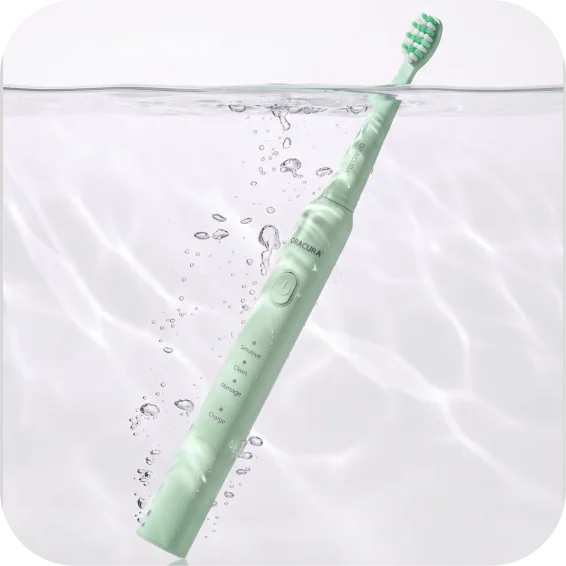
Despite daily brushing, plaque and gum issues silently threaten your smile and confidence. Oracura's dentist-trusted water flossers and sonic toothbrushes offer gentle, deep cleaning crafted for Indian homes. Paired with natural toothpaste, they ensure lasting oral health. Join 200,000+ happy users and transform your dental care for healthier teeth and gums. Shop Now!
The Relevance of Fresh Breath in Urban India
Picture commencing your routine amid Kolkata's steamy dawns, fretting over residual scents from the previous evening's macher jhol during an important business discussion. Across India's principal urban centers Mumbai, Delhi, Bengaluru, Chennai, and Kolkata oral wellness surpasses superficial appeal; it interlaces profoundly with holistic health. Contemporary figures from authoritative sources reveal that over 95 percent of Indian adults suffer from tooth decay, a figure mirrored in metropolitan zones where demanding timetables often relegate dental regimens to the background.
The sector specializing in products like water flossers, electric toothbrushes, and natural toothpaste holds a crucial position in this narrative. Valued at US$2.03 billion in 2024 and anticipated to expand at a compound annual growth rate of 5.18 percent until 2033, it demonstrates that Indians are channeling more resources into prophylactic measures. This expansion mirrors evolving behaviors among Mumbai's corporate elite and Delhi's ambitious entrepreneurs, where pristine breath enhances self-assurance in both career and interpersonal arenas. Nevertheless, hurdles remain, with limited knowledge and financial constraints impeding availability, notably in Chennai's densely inhabited peripheries.
Through embracing straightforward practices, inhabitants can effectively confront halitosis, synchronizing with the industry's momentum toward sustainable and technologically advanced offerings. We shall now dissect these five methods, anchored in insights specific to India.
Way 1: Brush Twice Daily with Natural Toothpaste
Commencing with fundamentals, twice-daily brushing stands as the bedrock for enduring fresh breath. In Bengaluru and Chennai, regions steeped in Ayurvedic heritage for herbal cures, natural toothpastes enriched with neem or activated charcoal are experiencing a boom in demand. These formulations battle microbial growth sans abrasive synthetics, perfectly suited for delicate city dwellers accustomed to fiery cuisines that challenge enamel integrity.
Research conducted in Delhi demonstrates that regular brushing mitigates halitosis by assaulting plaque accumulation, a primary offender in India's widespread tooth decay epidemic. Choose fluoride-absent alternatives for those leaning toward organic choices, resonating with the escalating call for eco-conscious oral maintenance in Kolkata's vibrant bazaars. This regimen not only revitalizes breath but also averts deterioration, impacting nearly 92 percent of elderly residents in New Delhi.
Embed this into your daily flow: Post-breakfast in the morning and pre-slumber at night. It's uncomplicated, but amid Mumbai's whirlwind existence, it yields transformative outcomes. Expanding on this, consider the broader implications consistent brushing fosters gum resilience, reducing inflammation that often exacerbates odors. In urban India, where diets rich in spices and sugars prevail, such habits become indispensable shields against pervasive dental threats.
Way 2: Incorporate Electric Toothbrushes for Deeper Clean
Elevating your oral routine involves transitioning to an electric toothbrush, which revolutionizes cleansing efficacy. In innovation-driven Bengaluru, these gadgets are adopted for their superior plaque elimination compared to traditional variants. Industry patterns reveal a push toward premium selections, with electric versions flourishing within India's forward-thinking oral health landscape.
In Delhi and Mumbai, environments plagued by airborne contaminants that aggravate periodontal concerns, the oscillating pulses dislodge debris responsible for foul breath. An illustrative scenario from metropolitan India: Chennai's workforce experiences diminished scent grievances post-adoption, as these tools access crevices overlooked by manual methods. The market is set to broaden at a 7.9 percent CAGR from 2025 through 2030, enhancing affordability and reach.
Combine it with herbal paste for peak performance, converting a routine chore into a sophisticated ceremony that harmonizes with Kolkata's fusion of heritage and contemporary flair. Delving deeper, electric brushes often feature timers and pressure sensors, ensuring thorough yet gentle sessions vital in pollution-heavy cities where gums are prone to sensitivity. This technological edge aligns seamlessly with the fast-paced lives of professionals in these hubs, offering efficiency without compromise.
Way 3: Floss Regularly with Water Flossers
Interdental cleaning is commonly neglected, yet water flossers simplify the process remarkably. In muggy Chennai and Kolkata, climates conducive to bacterial proliferation, these apparatuses employ jet streams to purge inter-tooth spaces, curtailing halitosis hazards. Novel directions underscore their ascent in India, particularly for city folk pursuing milder substitutes to conventional floss.
A tangible instance from Mumbai: Corporate employees employing water flossers observe sustained freshness throughout extended shifts, neutralizing the aftermath of roadside treats. Obstacles such as Delhi's variable water purity render compact, battery-operated versions optimal. As the field advances, these items unlock avenues for superior sanitation, bolstered by online retail expansion.
Implement it post-meals each day swift and potent, it confronts the 85 percent of adults nationwide grappling with mandibular complications. Furthermore, water flossing proves gentler on braces or implants, common in urban dental clinics, promoting inclusivity in oral care. In humid environs, it prevents moisture-induced buildup, ensuring breath remains invigorating even in sweltering conditions.
Way 4: Clean Your Tongue and Stay Hydrated
Tongue cleansing, an age-old Indian custom, eradicates accumulated microbes effectively. In Bengaluru's health-focused communities, it's coupled with ample fluid intake to counter xerostomia, a prime instigator of malodor. Investigations associate insufficient hydration with scents in built-up areas like Delhi, where climate control systems desiccate the atmosphere.
Consume abundant water target three liters per day and employ a scraper at dawn and dusk. This elemental gesture, derived from Ayurvedic principles, amplifies breath purity within Kolkata's damp ambiance.
Prospects flourish for organic scrapers in the marketplace, dovetailing with environmental movements. Beyond basics, hydration supports saliva production, nature's own rinse that neutralizes acids and washes away particles. In arid office settings prevalent in Delhi, this duo becomes a powerhouse against persistent halitosis, fostering long-term oral equilibrium.
Way 5: Mind Your Diet and Visit the Dentist
Nutrition significantly influences breath; curtail overindulgence in onions or garlic, staples in Mumbai's gastronomy. Favor odor-neutralizing edibles such as crisp apples or probiotic yogurt. Periodic dental consultations, despite strains in Chennai's packed facilities, detect anomalies promptly.
In Bengaluru, semiannual examinations are standardizing among careerists, diminishing perils associated with cardiovascular ailments stemming from subpar mouth hygiene. This practice bolsters the industry's emphasis on preemption.
Elaborating, breath-friendly diets incorporate herbs like mint or fennel, echoing traditional Indian remedies. Coupled with professional cleanings, they form a robust defense, especially vital in polluted metropolises where external factors compound internal risks.
Emerging Trends in India's Oral Care
India's mouth freshener market is transforming, spotlighted by botanical pastes and AI-enhanced brushes at the forefront. In Delhi and Mumbai, appetite for organic items surges, mirroring an 8.69 percent compound growth rate. Water flossers and powered brushes accommodate metropolitan demands, with digital commerce broadening access to Kolkata and Chennai.
Proactive maintenance emerges as paramount, as education counters fiscal impediments. Notably, the oral care segment in India anticipates the swiftest expansion, spurred by heightened uptake of hygiene protocols and governmental efforts like the National Oral Health Programme initiated in March 2023 to curb dental burdens nationwide.
Real-World Examples and Case Studies
In Mumbai, polls indicate enhanced breath among natural toothpaste adopters. Bengaluru's innovators thrive with electric aids, whereas Chennai's seaside inhabitants commend water flossers for periodontal vitality. These resonate with countrywide observations where city routines reshape behaviors, exemplified by the growing preference for portable fresheners amid busier schedules.
Key Challenges and Limitations
Inadequate facilities in Kolkata's fringes and monetary obstacles in Delhi restrict entry. Knowledge voids endure, with countryside-city divides heightening dangers like cerebrovascular incidents from lax cleanliness. Mumbai's smog aggravates gingival disorders, complicating widespread adoption.
Additionally, past disruptions, such as Colgate-Palmolive's manufacturing setbacks in India during 2020 lockdowns, highlight vulnerabilities in supply chains that affect product availability in these key cities.
Opportunities and Business Impacts
The arena witnesses optimizations via upscale offerings like Oracura's green portfolios, capitalizing on India's quest for sustainable alternatives. Commercial repercussions encompass employment generation in Bengaluru's production hubs and superior wellness results, alleviating financial strains from neglected conditions.
Furthermore, investments like Zepto's USD 200 million fundraising in August 2023 to extend its footprint underscore e-commerce's role in democratizing access, fostering economic growth while addressing urban oral health needs.
Expert Insights: Fresh Breath
As India's metropolises throb with vitality, impeccable breath equips people to participate wholly. By adopting these five avenues diligent brushing with herbal compounds, leveraging electric devices, consistent water flossing, tongue maintenance paired with hydration, and dietary vigilance alongside dental checkups dwellers of Mumbai, Delhi, Bengaluru, Chennai, and Kolkata can vanquish halitosis decisively. Authorities predict an optimistic horizon with technological fusions and natural breakthroughs, advocating immediate action for vibrant futures. In a land where mouth health correlates to cardiac vitality, modest routines deliver substantial dividends embark today, and inhale with assurance.
Frequently Asked Questions
What causes bad breath and how can I prevent it naturally?
Bad breath, or halitosis, is primarily caused by bacterial buildup from inadequate oral hygiene, often worsened by factors like dry mouth, certain foods (onions, garlic), and plaque accumulation. To prevent it naturally, brush twice daily with herbal toothpastes containing neem or activated charcoal, clean your tongue with a scraper, stay hydrated by drinking at least three liters of water daily, and incorporate breath-friendly foods like crisp apples and probiotic yogurt into your diet.
Are electric toothbrushes better than manual ones for preventing bad breath?
Yes, electric toothbrushes are significantly more effective at removing plaque and preventing bad breath compared to manual brushing. Their oscillating movements can reach crevices that manual brushes often miss, dislodging debris and bacteria responsible for foul odors. Studies show that users of electric toothbrushes, especially in polluted urban environments, experience reduced breath complaints and improved gum health, making them a worthwhile investment for comprehensive oral hygiene.
How does using a water flosser help maintain fresh breath throughout the day?
Water flossers use pressurized water jets to clean between teeth and below the gumline, removing food particles and bacteria that traditional brushing and even regular flossing might miss. This interdental cleaning is especially effective in humid climates where bacteria proliferate more easily, and it's gentler on sensitive gums, braces, or dental implants. Daily use after meals helps maintain fresh breath during extended work hours and neutralizes odors from foods, with studies showing that 85 percent of adults who neglect interdental cleaning struggle with persistent breath issues.
Disclaimer: The above helpful resources content contains personal opinions and experiences. The information provided is for general knowledge and does not constitute professional advice.
You may also be interested in: 5 Ways You Can Take Better Care Of Your Teeth | Oracura
Despite daily brushing, plaque and gum issues silently threaten your smile and confidence. Oracura's dentist-trusted water flossers and sonic toothbrushes offer gentle, deep cleaning crafted for Indian homes. Paired with natural toothpaste, they ensure lasting oral health. Join 200,000+ happy users and transform your dental care for healthier teeth and gums. Shop Now!
Powered by flareAI.co