You brush twice a day. You rinse. You try to “do everything right.”
So why does your mouth still feel… off?
Here’s the truth most people don’t hear often enough: brushing alone isn’t a complete oral care routine. Your mouth is a complex ecosystem, and when something’s not working, it shows, subtly at first, then loudly.
Let’s decode the signs your routine might be failing you, and how to fix it before it becomes a real problem.
1. Your Breath Doesn’t Stay Fresh
If your breath turns unpleasant just a couple of hours after brushing, bacteria are lingering, most likely on your tongue or between teeth.
Fix: Add tongue cleaning and flossing. That’s where most odor-causing bacteria hide.
2. Your Gums Bleed When You Brush or Floss
Bleeding gums aren’t “normal”, they’re a warning sign of inflammation or early gum disease.
Fix: Switch to a gentler brushing technique and clean between teeth daily. Consistency matters more than pressure.
3. You Feel a Sticky Film on Your Teeth
That fuzzy or sticky feeling is plaque building up faster than you’re removing it.
Fix: Upgrade your brushing effectiveness, manual brushing often misses spots, especially along the gumline.
4. Your Teeth Look Yellow Despite Brushing
Surface stains and plaque buildup can dull your smile, even if you brush regularly.
Fix: Focus on thorough cleaning rather than aggressive scrubbing. Whitening starts with proper plaque removal.
5. You Get Cavities Frequently
Recurring cavities usually mean your routine isn’t reaching all areas, especially tight spaces between teeth.
Fix: Daily interdental cleaning is non-negotiable. That’s where most cavities begin.
6. Your Mouth Feels Dry Often
A dry mouth allows bacteria to multiply faster, increasing your risk of decay and bad breath.
Fix: Stay hydrated and avoid harsh products that disrupt your natural saliva balance.
7. Your Gums Look Red or Swollen
Healthy gums stay tight and pink, not inflamed or tender.
Fix: Improve gumline cleaning. Most people either rush it or skip it entirely.
8. You Notice Tartar Build-Up
If your teeth feel rough even after brushing, plaque has hardened into tartar, which brushing alone can’t remove.
Fix: Prevent it early with better daily cleaning habits. Once tartar forms, only a dentist can remove it.
9. You Experience Tooth Sensitivity
Sensitivity can be a sign of enamel wear or gum recession, often caused by improper brushing.
Fix: Avoid brushing too hard and use tools designed to protect enamel while cleaning effectively.
10. Your Mouth Never Feels Truly Clean
If you finish brushing and still don’t feel that “fresh” sensation, your routine might be incomplete.
Fix: A complete routine cleans teeth, gums, tongue, and those hard-to-reach spaces, not just surfaces.
So, What Does a Good Oral Routine Actually Look Like?
Honestly, it’s not about doing a lot, it’s about covering what most people miss.
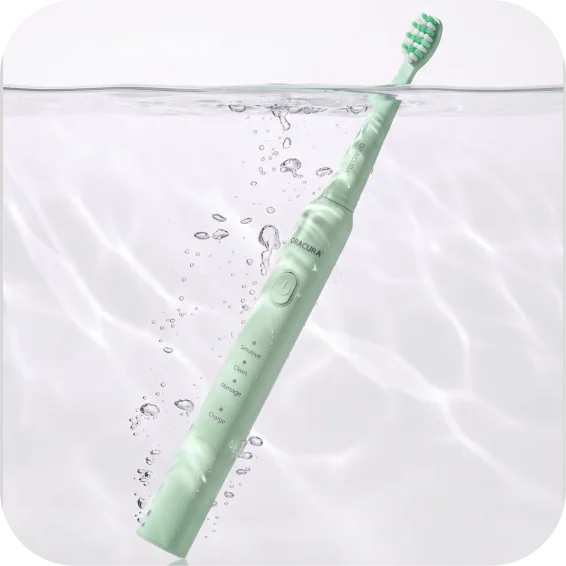
Start with an electric toothbrush. It takes the guesswork out of brushing and does a far better job at breaking down plaque, especially along the gumline where problems usually begin.
Then comes the step most people skip, cleaning between your teeth and along the gums. This is where a water flosser makes a real difference. It gets into spaces your brush simply can’t reach. And if you’re using one with a tongue-cleaning tip, even better, you’re tackling bad breath at the source instead of just masking it.
Finish with a toothpaste that supports your mouth, not irritates it. A good natural formula can help maintain balance without being overly harsh on your enamel or gums.
You don’t need more effort, you need the right technique.
If you’ve been ticking all the boxes but still noticing these signs, it might be time to upgrade your routine, not your effort.
Because a truly clean mouth isn’t just about how it looks,
it’s about how it feels, every single day.