Everyone blames sugar for bad teeth. Chocolates, soft drinks, candies, they’ve all earned the villain tag. But what if the real damage is happening because of something far more common… and far more ignored?
It’s aggressive brushing.
Yes, brushing too hard can ruin your teeth faster than sugar ever could.
Most people think brushing harder means cleaning better. That if your teeth don’t feel “scrubbed,” they’re not truly clean. So every morning and night, they unknowingly attack their enamel with excessive pressure, rough bristles, and hurried movements. The result? Worn-out enamel, bleeding gums, tooth sensitivity, and gum recession that slowly exposes the roots of your teeth.
And the scary part is, it happens silently.
Sugar takes time. Poor brushing habits damage your teeth every single day.
The Harm That Slowly Builds Without Warning
Dentists often see people with perfectly healthy diets struggling with sensitive teeth and weak gums simply because of how they brush. Enamel, once damaged, does not grow back. Gums, once receded, don’t magically return either. That sharp pain while drinking cold water or eating ice cream? Sometimes it’s not because of sweets. It’s because your teeth have been overbrushed for years.
This is where people need to understand an important truth: oral care is not about force. It’s about technique.
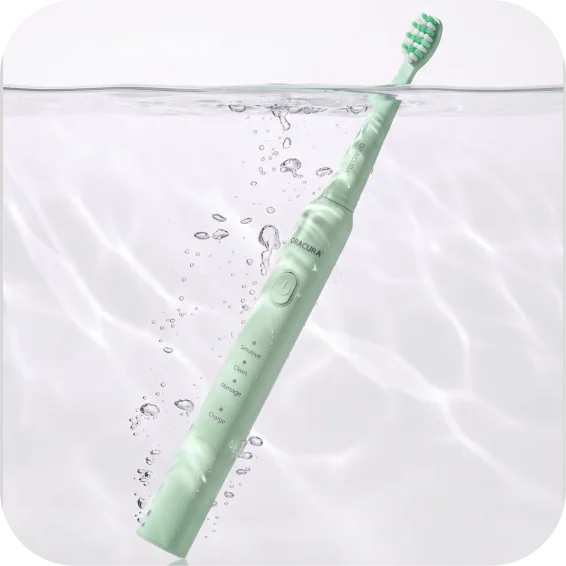
Using a soft bristle electric toothbrush can completely change the way you clean your teeth. Unlike regular brushing, where pressure is often uncontrolled, an electric brush is designed to clean effectively without being harsh on enamel and gums. The gentle movements help remove plaque while keeping your Gum care routine safer and more balanced.
Smarter Cleaning, Not Harder Cleaning
Many people hesitate before switching to a vibrating toothbrush because they assume vibration means “more intense.” In reality, it’s quite the opposite. The vibrations are controlled and consistent, helping clean areas your hands often miss, especially near the gumline where plaque quietly builds up. It’s less about scrubbing and more about smart cleaning.
Another habit that silently harms oral health is ignoring the spaces between teeth. Food particles trapped there become a playground for bacteria, eventually affecting gums and causing bad breath. This is why many dental experts now recommend adding a water flosser to daily routines. It’s gentle, easy to use, and especially helpful for people with sensitive gums or braces. Small additions like these can prevent bigger dental problems later.
Gentle Habits Build Strong Smiles
Even toothpaste plays a bigger role than people realise. Harsh formulas loaded with abrasive ingredients may leave your mouth feeling “extra fresh,” but over time they can contribute to sensitivity. Choosing a natural toothpaste with balanced ingredients can help maintain oral hygiene without being unnecessarily harsh on your enamel.
The truth is, good oral care should never feel violent.
Your teeth are strong, but they are not indestructible. And your gums are delicate tissues that need care, not punishment. Sometimes the healthiest routines are the gentlest ones.
So the next time you brush, pause for a second and ask yourself, are you cleaning your teeth, or fighting them?
Because healthy smiles are not built with pressure. They’re built with consistency, awareness, and the right tools.
And sometimes, the habit hurting your teeth the most is the one you thought was protecting them.