You wake up, squeeze toothpaste onto your brush, scrub your teeth for a minute or two, rinse, and move on with your day feeling productive. It feels healthy. Responsible, even.
But what if your everyday brushing routine is quietly damaging your teeth instead of protecting them?
Dentists see it constantly, people with decent diets, regular brushing habits, and still… sensitive teeth, bleeding gums, and plaque build-up. Not because they don’t brush, but because they brush wrong.
And surprisingly, the problem often starts with habits people think are perfectly normal.
“The Harder I Brush, The Cleaner My Teeth”
This might be one of the biggest oral care myths ever.
A lot of people brush aggressively thinking it removes more stains and plaque. In reality, it mostly removes comfort from your life later. Harsh brushing slowly weakens enamel and irritates gums, especially near the gumline where teeth are most sensitive.
Dentists often compare it to cleaning a phone screen with sandpaper. More pressure does not mean better cleaning.
This is exactly why newer dental care products focus more on gentle and controlled cleaning rather than force. Softer bristles and smarter brushing technology are becoming important because oral care should protect your teeth, not attack them.
Your Brush Head Is Probably Older Than It Should Be
Most people replace their phone chargers faster than their toothbrush.
Bent and worn-out Brush heads lose their ability to clean properly. Instead of removing plaque effectively, they start spreading pressure unevenly across teeth and gums.
Dentists usually recommend changing brush heads every few months because fresh bristles clean better, feel gentler, and reach difficult corners more effectively.
It sounds like a small thing, but oral health is usually shaped by small daily habits repeated over years.
Your Toothbrush Can’t Reach Everything
Here’s the uncomfortable truth nobody likes hearing:
Brushing alone is incomplete.
Even people with perfect brushing habits miss the tiny spaces between teeth where food particles and bacteria quietly sit all day. Over time, this becomes one of the main reasons for bad breath, plaque build-up, and gum problems.
That’s why dentists constantly recommend flossing.
But traditional floss feels inconvenient to many people, which is why a dental water flosser has become so popular lately. Instead of scraping between teeth, it uses a controlled stream of water to clean hidden areas gently and effectively.
Many people don’t realise how much their mouth was missing until they start using one regularly.
Fast Brushing Is Fooling You
Most people believe they brush for two minutes.
In reality, many barely cross forty seconds.
And even during those seconds, brushing is usually uneven. One side gets attention, another side gets ignored, and the back teeth suffer the most.
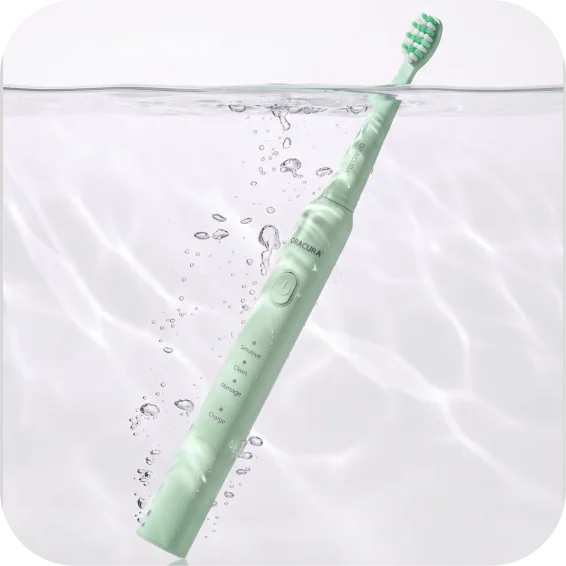
This is where using a smart toothbrush changes the experience completely. Timers, brushing modes, and controlled vibrations help people clean more evenly without overbrushing certain areas.
It turns brushing from a rushed task into a better routine.
Healthy Teeth Don’t Need Aggression
The healthiest oral care routines are usually the gentlest ones.
A cleaner mouth should not come with bleeding gums, sharp sensitivity, or discomfort every morning. Dentists don’t want people brushing harder, they want them brushing smarter.
Sometimes protecting your teeth is simply about slowing down, using the right tools, and unlearning habits you thought were helping all along.
Because not every dental problem starts with sugar.
Some begin with the way you brush every single day.