Walk into any pharmacy or scroll through an online store looking for toothpaste and you’ll quickly notice something interesting. Some tubes proudly say “with fluoride,” while others highlight “fluoride-free.”
Naturally, the question pops up: Which one is actually better for your teeth?
With more people becoming conscious about ingredients and everyday health choices, toothpaste has become part of a larger conversation around personal care. And as we observe World Oral Health Month, it’s the perfect time to pause and understand what goes into the products we use every single day.
Because brushing isn’t just a habit, it’s a foundation of your personal oral care routine.
Why Fluoride Became So Popular
For decades, fluoride has been a common ingredient in many toothpastes. Dentists have recommended it widely because fluoride can help strengthen enamel and protect teeth from cavities. It works by making the outer layer of the tooth more resistant to acid attacks caused by bacteria and sugar.
That’s why you’ll often see fluoride promoted as a cavity-fighting ingredient.
But over time, many people have started asking questions about what they use daily, especially products that are used multiple times a day and can sometimes be swallowed in small amounts.
This curiosity has opened the door for alternatives.
The Rise of Fluoride-Free Toothpaste
Fluoride-free toothpaste has gained popularity among people who prefer simpler, naturally inspired formulations in their daily routine. Instead of relying on fluoride, these toothpastes often use carefully selected ingredients designed to support oral hygiene in a gentler way.
The idea is simple: clean effectively, support gum care, and maintain fresh breath, without certain synthetic additives.
For people who are building a more mindful personal oral care routine, this approach feels more aligned with their lifestyle.
Many modern fluoride-free formulations focus on ingredients that help maintain oral cleanliness while supporting the mouth’s natural balance.
But Is One Better Than the Other?
The truth is, there’s no universal answer. It often comes down to personal preference, lifestyle, and oral care habits.
What matters most is consistency.
Brushing regularly, cleaning between teeth, and paying attention to your gum health are far more important than choosing a single “perfect” ingredient. A toothpaste works best when it becomes part of a complete routine, not a standalone solution.
This is especially important when thinking about gum health at home.
Your gums are the foundation of your smile. When plaque builds up along the gumline, irritation and inflammation can begin quietly. Over time, this can lead to discomfort or gum problems if ignored.
That’s why developing a thoughtful healthy gums routine matters.
Looking Beyond Just Toothpaste
Toothpaste is important, but it’s only one part of the bigger picture.
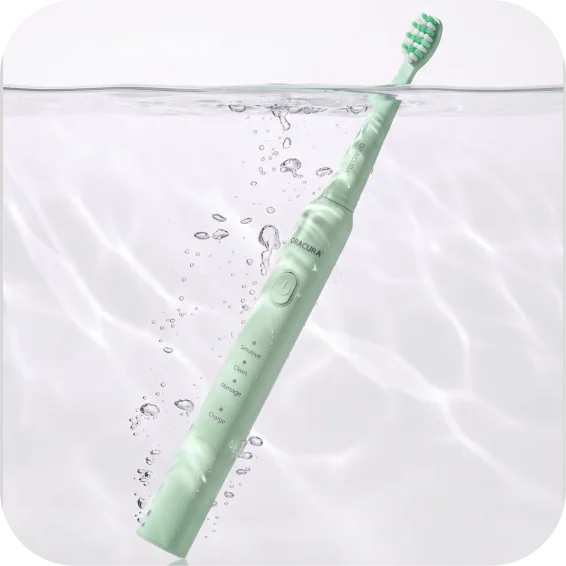
Good oral care today often includes tools that help you clean more effectively and comfortably at home. Electric toothbrushes can help maintain consistent brushing motion, while water flossing has become a popular way to clean between teeth and along the gumline.
Together, these habits create a stronger personal oral care routine that supports both teeth and gums.
And when combined with a toothpaste that aligns with your preferences, oral care becomes simpler and more effective.
A Thought for World Oral Health Month
As World Oral Health Month reminds us, oral care isn’t just about avoiding cavities, it’s about building lifelong habits that protect your smile and confidence.
Whether you choose fluoride or fluoride-free toothpaste, the real goal is awareness. Paying attention to ingredients, maintaining a healthy gums routine, and supporting gum health at home are small but powerful steps toward long-term oral wellness.
Because at the end of the day, oral care isn’t about following trends.
It’s about finding what works for you, and staying consistent with it.
Your smile will thank you for it.