Quick Listen:
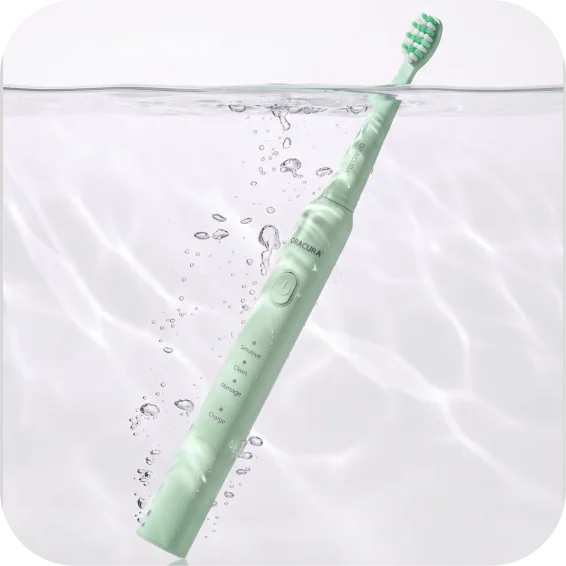
The intimate annoyance of persistent bad breath affects far more people than most admit in polite conversation. While countless mints, gums and mouthwashes promise quick cover-ups, a growing number of dental professionals and everyday users point to a more foundational solution: upgrading from a manual toothbrush to a sonic toothbrush . These high-frequency devices deliver cleaning power that reaches places conventional brushing often misses, directly addressing the bacterial causes of halitosis rather than merely masking them.
Market interest in complementary oral-care tools continues to rise steadily, fueled by greater public understanding of how comprehensive hygiene routines impact both dental health and daily confidence. Yet the real question remains practical: does the sonic technology actually deliver noticeably fresher breath?
Despite daily brushing, plaque and gum issues silently threaten your smile and confidence. Oracura's dentist-trusted water flossers and sonic toothbrushes offer gentle, deep cleaning crafted for Indian homes. Paired with natural toothpaste, they ensure lasting oral health. Join 200,000+ happy users and transform your dental care for healthier teeth and gums. Shop Now!
The Bacterial Origins of Bad Breath
Halitosis is rarely caused by a single dramatic event such as eating garlic bread. The dominant source is anaerobic bacteria living in the mouth particularly on the tongue's rough surface, in gum pockets and between teeth. These microorganisms metabolize proteins from food debris, dead cells and saliva components, releasing volatile sulfur compounds (VSCs) that produce the characteristic unpleasant odor.
When plaque accumulates unchecked, bacterial colonies multiply rapidly. Early-stage gingivitis creates inflamed gum tissue that traps even more debris, while progressing periodontal disease opens deeper pockets where odor-causing microbes thrive undisturbed. Conventional brushing, even when performed conscientiously, frequently leaves thin layers of biofilm behind enough for the cycle to restart within hours.
Why Sonic Toothbrushes Disrupt This Cycle More Effectively
Sonic toothbrushes operate at frequencies typically ranging from 24,000 to 40,000 brush strokes per minute. This intense vibration does far more than scrub: it creates hydrodynamic shear forces in the toothpaste-saliva mixture, propelling microscopic fluid streams several millimeters beyond the bristle tips. The result is a flushing action that dislodges plaque and food particles from interdental spaces and the subgingival margin areas manual brushes struggle to reach consistently.
Multiple independent clinical studies have demonstrated that sonic and other powered brushes remove substantially more plaque than manual brushing over comparable time periods. Reduced plaque directly translates to a lower bacterial load and fewer odor-producing byproducts. Many modern sonic models also incorporate dedicated tongue-cleaning modes or specialized brush heads. Research examining sonic tongue brushing especially when paired with short-term antibacterial mouth rinses has documented measurable reductions in volatile sulfur compounds persisting for more than six hours after a single session.
Head-to-Head: Sonic vs. Manual Brushing for Breath Control
Manual brushing depends heavily on individual technique, pressure and duration variables that differ dramatically from person to person. Sonic toothbrushes remove much of that variability by delivering consistent mechanical action and built-in timers that encourage the recommended two-minute routine.
Because they achieve greater plaque and gingivitis reduction, powered brushes help maintain a healthier oral environment over time. A cleaner mouth with less residual biofilm offers fewer opportunities for malodor-producing bacteria to re-establish dominance between brushing sessions. Many recent adopters describe the post-brush sensation as distinctly cleaner and fresher, with the “dentist-fresh” feeling lingering noticeably longer throughout the morning and afternoon compared with their previous manual routine.
Expert Recommendations and Complementary Tools
Periodontists and general dentists increasingly suggest sonic toothbrushes for patients who complain of chronic or recurring bad breath, particularly when clinical examination reveals moderate plaque accumulation or early gingival inflammation. The recommendation often extends beyond brushing alone.
Oral irrigators commonly known as water flossers are gaining recognition as powerful adjuncts. These devices use targeted streams of water or medicated solution to flush debris from below the gumline and between teeth, areas that even excellent brushing tends to leave partially undisturbed. Recent product innovations have focused on ergonomic designs, longer battery performance and specialized tips suited to braces, implants and other dental work, making daily use more convenient for a broader range of people.
Building a Routine That Actually Delivers Lasting Freshness
Maximizing the breath benefits of a sonic toothbrush requires thoughtful integration into a complete oral-care sequence. Consider these evidence-informed steps:
- Brush for the full two minutes every time, using the quadrant method to ensure even coverage of all surfaces.
- Finish with 20–30 seconds of gentle tongue cleaning either with the toothbrush's dedicated mode or a separate tongue scraper to disrupt the biofilm that anchors most odor production.
- Clean interdental spaces daily; choose traditional floss, floss picks, or a water flosser depending on personal preference and dental anatomy.
- Drink water consistently throughout the day to combat dry mouth, one of the most common amplifiers of bacterial odor activity.
- Replace brush heads every three months or sooner if bristles appear frayed to maintain optimal cleaning efficiency.
- Schedule regular dental check-ups and cleanings; professional removal of hardened calculus creates a cleaner starting point that home care can then protect.
Consistency trumps intensity. The design of sonic brushes makes it easier to maintain effective habits long-term, even on mornings when motivation runs low.
Answering the Most Common Concerns
New users sometimes find the high-frequency vibration unfamiliar or momentarily intense. Most sonic models offer multiple intensity settings precisely so beginners can start gently and increase power as comfort grows. Any brief increase in dislodged debris is usually short-lived and followed by markedly improved cleanliness.
Cost is another frequent question. While sonic toothbrushes represent a larger initial investment than a manual brush, those dealing with persistent plaque-related breath issues often find the reduction in gum inflammation, fresher feeling and decreased dependence on breath mints justify the expense within months.
A Small Daily Choice With Lasting Impact
No toothbrush sonic or otherwise can single-handedly eliminate bad breath caused by sinus issues, gastrointestinal conditions, certain medications, or heavy smoking. Yet for the majority of people whose halitosis stems primarily from intra-oral bacteria and plaque, a high-quality sonic toothbrush offers one of the most effective home-care upgrades available today.
By removing more biofilm, supporting healthier gums and enabling more thorough tongue and interdental cleaning when paired with complementary tools, these devices help shift the oral environment away from odor production toward sustained freshness. In everyday life, where a confident smile and clear conversation can open doors both personal and professional, that incremental advantage feels far less like a luxury and far more like practical self-respect.
Frequently Asked Questions
Do sonic toothbrushes actually help with bad breath?
Yes, sonic toothbrushes are significantly more effective at reducing bad breath than manual brushing. They operate at 24,000–40,000 brush strokes per minute, creating hydrodynamic forces that flush out plaque and bacteria from interdental spaces and below the gumline the primary sources of odor-causing volatile sulfur compounds (VSCs). By removing more biofilm and reducing gingivitis, they lower the bacterial load responsible for halitosis.
How is a sonic toothbrush better than a manual toothbrush for controlling bad breath?
Unlike manual brushing which depends heavily on individual technique and pressure sonic toothbrushes deliver consistent mechanical cleaning action along with built-in timers to encourage the full recommended two-minute brush. Clinical studies show powered brushes remove substantially more plaque over the same time period, resulting in fewer odor-producing bacteria and a fresher-feeling mouth that lasts noticeably longer throughout the day.
What should I pair with a sonic toothbrush for the freshest breath possible?
For best results, combine your sonic toothbrush with daily tongue cleaning (using a dedicated brush mode or tongue scraper), interdental cleaning via floss or a water flosser and consistent hydration to prevent dry mouth. Replacing brush heads every three months and scheduling regular professional dental cleanings further ensures your routine delivers lasting freshness by eliminating the hardened plaque buildup that home care alone can't remove.
Disclaimer: The above helpful resources content contains personal opinions and experiences. The information provided is for general knowledge and does not constitute professional advice.
You may also be interested in: Can Natural Toothpaste Help with Bad Breath? - Oracura
Despite daily brushing, plaque and gum issues silently threaten your smile and confidence. Oracura's dentist-trusted water flossers and sonic toothbrushes offer gentle, deep cleaning crafted for Indian homes. Paired with natural toothpaste, they ensure lasting oral health. Join 200,000+ happy users and transform your dental care for healthier teeth and gums. Shop Now!
Powered by flareAI.co