In the early hours, Mumbai's local trains are packed, Bengaluru's coffee shops fill with remote workers checking notifications, and families in Delhi, Chennai, and Kolkata begin their day. Across these bustling Indian metropolises a small but meaningful change is taking place behind closed bathroom doors. More urban Indians are setting aside traditional dental floss in favor of compact devices that send targeted streams of water between teeth and along the gumline.
This is more than a passing fascination with new technology. It reflects a broader, increasingly serious discussion about oral hygiene in a country where periodontal problems and plaque accumulation continue to affect large numbers of adults, particularly in high-pressure city environments. The central question many professionals and health-conscious consumers are now asking: does water flossing genuinely outperform string flossing, or is it simply a premium option that cannot fully replace a method that has been reliable for generations?
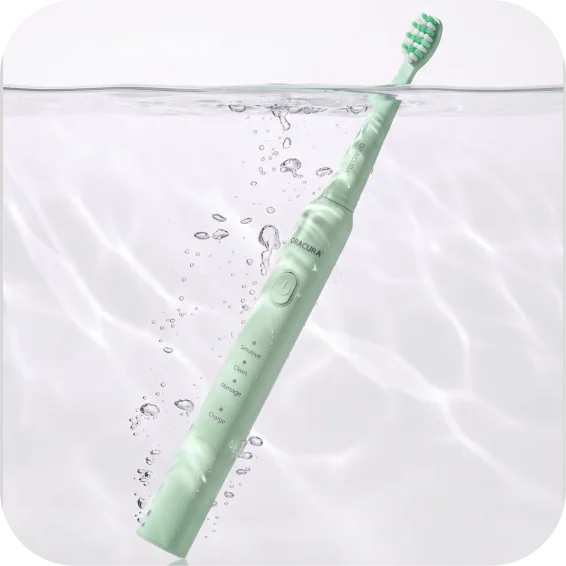
Despite daily brushing, plaque and gum issues silently threaten your smile and confidence. Oracura's dentist-trusted water flossers and sonic toothbrushes offer gentle, deep cleaning crafted for Indian homes. Paired with natural toothpaste, they ensure lasting oral health. Join 200,000+ happy users and transform your dental care for healthier teeth and gums. Shop Now!
The Growing Appeal of Water Flossing in Major Indian Cities
In Mumbai, Delhi, Bengaluru, Chennai, and Kolkata, water flossers frequently referred to as oral irrigators are moving from niche dental-office recommendations to regular household use. City dentists report steadily increasing numbers of patients who adopt the devices after struggling to maintain consistent traditional flossing habits amid long work hours and packed schedules.
Several factors are fueling the change. Greater disposable income among the urban middle class, combined with easy access to international oral-care trends through Instagram, Twitter, and e-commerce platforms, has made people more open to tools that promise convenience without sacrificing results. Water flossing particularly resonates with professionals who wear braces or have dental implants, as well as anyone who finds string floss awkward or time-consuming.
Market signals reinforce the trend. While specific nationwide figures for water flossers remain limited, the closely related category of electric toothbrushes is expanding rapidly in India, propelled by the same rising awareness of preventive dental care and willingness to invest in better daily routines.
Why Traditional Flossing Remains the Default for Many
Despite the excitement surrounding water flossers, string floss continues to dominate in most Indian households including in the largest cities. It costs almost nothing, fits in any travel bag, requires no batteries or charging, and has been the standard recommendation in dental schools and clinics for decades.
In Chennai and Kolkata especially, where many families still value straightforward, low-maintenance hygiene rituals, traditional flossing retains a strong cultural foothold. Even in faster-moving Mumbai and Delhi, clinical observations and informal patient surveys indicate that a clear majority of adults who floss at all still reach for string rather than a powered device. The reason is simple: familiarity breeds confidence, and when used with proper technique, string floss remains highly effective at removing interdental plaque.
The persistent difficulty, however, is adherence. Dental associations repeatedly stress that the best flossing method is the one people actually use every day. For a significant portion of the population, that remains a challenge with string alone.
Comparing Effectiveness: What Clinical Evidence and Daily Experience Show
Independent reviews and comparative studies generally conclude that both approaches reduce plaque and improve gingival health when performed consistently. Water flossing frequently demonstrates an edge in specific situations particularly for reaching deeper periodontal pockets, cleaning around orthodontic appliances, and dislodging food particles that string can miss.
Urban dentists in Bengaluru and Delhi often hear patients describe a noticeably cleaner feeling and reduced gum bleeding after switching. Some private practices have documented measurable improvements in inflammation scores during follow-up visits when water flossing is added to the regimen. The key advantage appears to lie in ease of use, which encourages higher compliance over months and years.
At the same time, traditional floss offers unmatched precision for very tight contact points and remains the gold-standard portable solution. Many specialists therefore advocate using both tools strategically rather than viewing them as mutually exclusive options.
Overcoming the Most Common Doubts and Hesitations
Resistance to change is natural, especially when people already feel satisfied with their current routine. The statement “I am happy with manual brushing and flossing” is heard frequently in consultations. Water flossers do not aim to replace brushing or even entirely supplant string floss; they target spaces that bristles and conventional floss often fail to clean thoroughly.
Awareness remains another hurdle. Outside India's biggest cities, the entire water-flosser category is still unfamiliar to many. Within Mumbai, Delhi, and Bengaluru, however, word spreads quickly through dentist recommendations, online reviews, and trusted professionals sharing short demonstrations on Instagram and Twitter.
Concerns about potential harm “Will the pressure or vibration damage my teeth or gums?” surface regularly, usually borrowed from older worries about electric toothbrushes. When users begin on the lowest setting and follow manufacturer guidelines, risks are minimal. Dentists universally advise a short consultation to determine the most suitable pressure and technique.
Cost represents the final significant objection, particularly in Chennai and Kolkata where upfront investment can feel substantial. Yet the long-term calculus often favors prevention: fewer deep cleanings, less need for restorative work, and potentially lower lifetime dental expenses make the device a sensible choice for many households.
Health Impact and Market Opportunity on the Horizon
If adoption continues to climb in India's metropolitan areas, the public-health payoff could be considerable: lower rates of gingivitis, reduced progression to periodontitis, and fewer plaque-related cavities among working-age adults. Urban lifestyles high-sugar snacks, irregular meals, stress already place extra strain on oral tissues, so any tool that reliably improves interdental cleaning delivers outsized value.
E-commerce platforms already report stronger demand for oral irrigators in the target cities, mirroring patterns seen earlier in the electric-toothbrush segment. As awareness spreads beyond early adopters, the category stands to become a mainstream part of preventive care routines.
A Practical Path Forward for Indian Consumers
Leading voices in Indian dentistry increasingly favor a pragmatic, hybrid philosophy: string floss for pinpoint accuracy, water flossing for superior reach and user-friendliness. No universal “best” method exists individual anatomy, existing dental work, daily schedule, and personal preference all play roles.
Social-media professionals, verified dental accounts on Instagram and Twitter, continuing-education programs, and public-health campaigns will likely accelerate the learning curve in coming years. Until then, the clearest guidance is uncomplicated: commit to cleaning between your teeth daily. For many residents of Mumbai, Delhi, Bengaluru, Chennai, and Kolkata, adding water flossing represents a meaningful upgrade gentler on gums, more thorough in tight spaces, and progressively easier to integrate into busy lives.
Ultimately, superior oral health hinges far less on the specific tool and far more on unbroken consistency. Whether you choose a thin strand of floss or a gentle stream of water, the decisive factor is showing up for the habit every single day.
Frequently Asked Questions
Is water flossing more effective than string flossing for removing plaque?
Both water flossing and string flossing are effective at reducing plaque and improving gum health when used consistently. Water flossers have a notable advantage for reaching deeper periodontal pockets, cleaning around braces or dental implants, and dislodging food particles that string floss can miss. However, traditional string floss still offers superior precision for very tight contact points between teeth. Many dentists recommend using both tools together for the most thorough clean.
Can I replace traditional floss completely with a water flosser?
A water flosser is not necessarily a full replacement for string floss, but rather a powerful complement to it. Leading dental professionals advocate a hybrid approach using string floss for pinpoint accuracy and a water flosser for superior reach and ease of use. The most important factor isn't which tool you choose, but maintaining a consistent daily interdental cleaning habit. For people who struggle with string floss due to technique or time, a water flosser can be a game-changing alternative.
Are water flossers safe to use, and are they worth the cost?
Water flossers are safe for most users when started on the lowest pressure setting and used according to manufacturer guidelines concerns about gum or enamel damage are largely unfounded. While the upfront cost can feel significant compared to string floss, the long-term value is strong: regular water flossing can reduce gingivitis, slow the progression of periodontitis, and potentially lower lifetime dental expenses by minimizing the need for deep cleanings or restorative work. A quick consultation with your dentist can help you find the right pressure and technique for your needs.
Disclaimer: The above helpful resources content contains personal opinions and experiences. The information provided is for general knowledge and does not constitute professional advice.
You may also be interested in: String vs. Water Flosser: Which One is Right for You? - Oracura
Despite daily brushing, plaque and gum issues silently threaten your smile and confidence. Oracura's dentist-trusted water flossers and sonic toothbrushes offer gentle, deep cleaning crafted for Indian homes. Paired with natural toothpaste, they ensure lasting oral health. Join 200,000+ happy users and transform your dental care for healthier teeth and gums. Shop Now!
Powered by flareAI.co