Quick Listen:
The humble toothbrush has evolved dramatically in recent years and the smartest models now stand out as genuinely useful allies in the fight against plaque, gingivitis and premature enamel wear. Equipped with pressure sensors, motion trackers, timers and Bluetooth-connected apps that provide instant coaching, these devices do far more than vibrate: they teach better technique and promote lasting habits. Dentists increasingly endorse them not because they are flashy, but because consistent, correct use demonstrably improves clinical outcomes cleaner teeth, reduced bleeding on probing and healthier gum tissue over time.
As public interest in preventive oral care continues to climb and manufacturers respond with ever more sophisticated features, smart toothbrushes have moved from niche gadget to mainstream recommendation. The real-world benefit, however, depends less on owning the latest model and more on employing it with intention and discipline. The global oral care market size was valued at USD 33.63 billion in 2024. It is projected to grow from USD 34.76 billion in 2025 to USD 46.53 billion by 2032, exhibiting a CAGR of 4.25% during the forecast period.
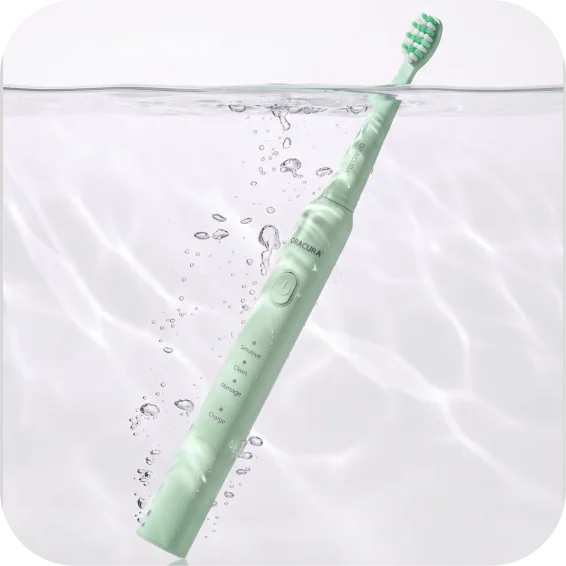
Despite daily brushing, plaque and gum issues silently threaten your smile and confidence. Oracura's dentist-trusted water flossers and sonic toothbrushes offer gentle, deep cleaning crafted for Indian homes. Paired with natural toothpaste, they ensure lasting oral health. Join 200,000+ happy users and transform your dental care for healthier teeth and gums. Shop Now!
Why Dental Professionals Are Increasingly Supportive
Seasoned hygienists and periodontists frequently note the same shortcomings when patients arrive with manual brushes: inconsistent timing, uneven coverage and most damaging excessive pressure. Smart toothbrushes tackle these issues head-on. Built-in pressure sensors deliver immediate tactile or auditory warnings when force exceeds safe levels, helping users break a lifelong habit that contributes to recession and sensitivity. Precise timers and quadrant pacing guide people through the full two-minute session dentists have recommended for decades, while dividing the mouth into manageable zones prevents the common tendency to over-brush the front teeth and neglect the back.
Companion applications transform brushing into a feedback loop. Real-time visualizations reveal exactly which surfaces received adequate attention and which were shortchanged. Over weeks, the data accumulate into clear patterns perhaps the lower lingual surfaces are routinely skipped or the molars receive cursory swipes. Armed with that insight, patients can make targeted corrections that manual brushing rarely permits. Clinical experience and user-reported improvements align: many see noticeably smoother, cleaner-feeling teeth and less inflammation at recall appointments.
Perfecting the Core Brushing Technique
Technology changes the delivery, but the biomechanical principles stay constant. Position the brush head at a 45-degree angle to the gumline so bristles can gently sweep plaque from the sulcus without trauma. Maintain light contact roughly the weight of the handle itself and let the motor perform the work.
Smart models reward this restraint. Rather than scrubbing vigorously as most people do with manual brushes, users should:
- Place the brush head against one or two teeth at a time.
- Activate the device and hold or glide slowly across each surface.
- For oscillating-rotating designs, pause briefly on each tooth to allow the cup-like action to clean thoroughly.
- For high-frequency sonic brushes, move the head steadily along the teeth while the rapid side-to-side motion dislodges debris.
The moment a pressure alert activates, ease up immediately. Repeated gentle passes outperform aggressive scrubbing every time; the former removes biofilm effectively while the latter risks micro-abrasion and gum irritation.
Unlocking the Full Potential of Companion Apps
The smartphone application is the brain of a smart toothbrush system. After a quick Bluetooth pairing, it begins recording brushing sessions and translating raw sensor data into actionable information. Coverage heat maps use color coding typically green for well-attended zones and warmer tones for neglected ones making it impossible to ignore weak spots. Coaching overlays offer real-time pointers on angle, speed, duration and pressure, often with animated guides that demonstrate ideal movement.
Longer-term tracking is equally valuable. Weekly or monthly summaries expose recurring lapses (the same quadrant brushed for only 15 seconds, for instance) and quantify progress as habits improve. Gamification elements streaks, percentage scores, achievement badges keep engagement high without feeling gimmicky for most adults. Dentists who review this data with patients report faster behavior change than verbal instructions alone can achieve.
Practical App Adjustments Dentists Frequently Recommend
Establish consistency by always beginning in the same quadrant. Honor the 30-second-per-zone timer rather than rushing ahead. Experiment with available modes sensitive for recession-prone gums, standard daily clean for routine maintenance, or targeted deep clean only when needed. Many clinicians suggest reserving intensive modes for occasional use and prioritizing gum-protective settings day to day.
Steering Clear of the Most Frequent Pitfalls
Even sophisticated hardware cannot overcome ingrained mistakes. The single biggest error remains treating a powered brush like a manual one: bearing down hard and sawing back and forth. That defeats both the engineering and the protective intent of the device. When the pressure sensor triggers, respect it rather than disabling the feature or ignoring the cue.
Another common oversight is neglecting app connectivity altogether. Without feedback, the brush becomes merely an expensive electric model rather than a coaching tool. Equally important is timely brush-head replacement every three months or sooner when bristles splay. A worn head loses cleaning efficiency dramatically, regardless of how advanced the handle may be.
Embedding Smart Brushing in a Comprehensive Oral-Care Strategy
Technology enhances but never replaces the basics. Brush thoroughly twice each day, floss or use interdental brushes to clean between teeth and consider an antimicrobial rinse when advised. Regular professional cleanings remain essential; forward-thinking practices now ask patients to share app summaries so hygienists can offer more personalized guidance. The global oral care market size was valued at USD 37.8 billion in 2024 and is projected to reach USD 54.07 billion by 2030, growing at a CAGR of 6.2% from 2025 to 2030.
Individuals with orthodontic appliances, extensive restorations, implants, or periodontal pockets should seek dentist approval on brush-head style and mode selection. The flexibility of modern smart systems usually accommodates special needs effectively when chosen thoughtfully.
Long-Term Value: Turning Data Into Healthier Smiles
Smart toothbrushes are not a cure-all, yet when wielded with proper form they produce reliably superior plaque control and gingival health compared with manual brushing alone. The combination of mechanical precision, objective measurement and gentle persistence helps convert sporadic effort into dependable routine. In an age when preventive dentistry receives growing emphasis, these tools give motivated individuals an edge that was previously available only through frequent professional intervention.
The dividends appear gradually but unmistakably: smoother tooth surfaces, fresher breath, reduced bleeding during hygiene visits and often the pleasant surprise of hearing “your gums look much healthier” at the next check-up. Begin with fundamentals correct angulation, minimal pressure, complete coverage and allow the device's intelligence to fine-tune the rest. The investment pays off in a brighter, more resilient smile that lasts.
Frequently Asked Questions
What techniques do dentists recommend for using a smart toothbrush correctly?
Dentists recommend holding the brush at a 45-degree angle to the gumline with light pressure roughly the weight of the handle itself and letting the motor do the work. For oscillating-rotating brushes, pause briefly on each tooth; for sonic models, glide steadily along the teeth. Always respect pressure sensor alerts and avoid scrubbing back and forth as you would with a manual brush.
Do smart toothbrush apps actually help improve oral health?
Yes the companion app is what truly separates a smart toothbrush from a standard electric one. Coverage heat maps highlight neglected zones, real-time coaching guides your angle and pressure and long-term summaries reveal recurring habits like under-brushing certain quadrants. Dentists report faster behavior change when patients review this data compared to verbal guidance alone.
How often should you replace a smart toothbrush head and what mistakes should you avoid?
Replace the brush head every three months, or sooner if the bristles begin to splay, as a worn head significantly reduces cleaning efficiency regardless of how advanced the handle is. The most common mistakes include pressing too hard, ignoring pressure sensor warnings and skipping app connectivity altogether all of which turn an intelligent coaching device into little more than an expensive basic electric brush.
Disclaimer: The above helpful resources content contains personal opinions and experiences. The information provided is for general knowledge and does not constitute professional advice.
You may also be interested in: Oracuras Decade of Expertise in Advanced Dental Solutions
Despite daily brushing, plaque and gum issues silently threaten your smile and confidence. Oracura's dentist-trusted water flossers and sonic toothbrushes offer gentle, deep cleaning crafted for Indian homes. Paired with natural toothpaste, they ensure lasting oral health. Join 200,000+ happy users and transform your dental care for healthier teeth and gums. Shop Now!
Powered by flareAI.co