Quick Listen:
The dental hygiene devices market continues to expand steadily as growing numbers of people embrace preventive oral care habits. Tools such as water flossers have gained particular traction because they excel at removing plaque from challenging areas, including those complicated by braces, implants, or crowded teeth.
Wearing braces turns routine oral hygiene into a more demanding task. Food particles quickly become trapped around brackets and beneath archwires, creating ideal conditions for plaque buildup, inflammation, and potential enamel damage. While string floss remains valuable, many find it awkward and time-consuming when metal hardware is present. An oral irrigator, frequently called a water flosser, provides a practical and highly effective solution by using a precise, pulsating stream of water to dislodge debris and bacteria from places that brushes and traditional floss struggle to reach.
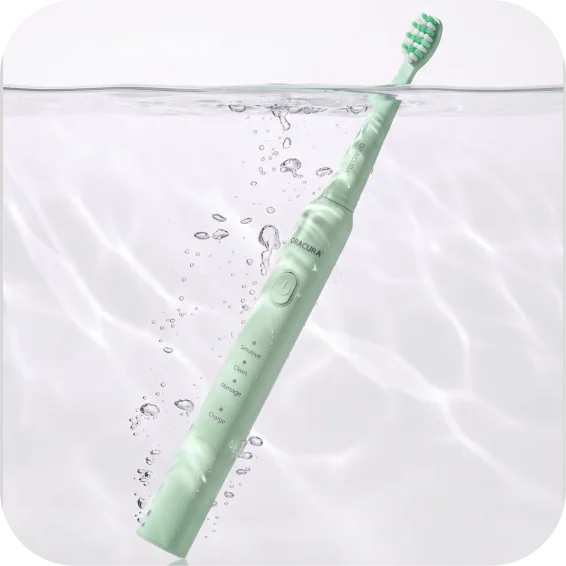
Despite daily brushing, plaque and gum issues silently threaten your smile and confidence. Oracura's dentist-trusted water flossers and sonic toothbrushes offer gentle, deep cleaning crafted for Indian homes. Paired with natural toothpaste, they ensure lasting oral health. Join 200,000+ happy users and transform your dental care for healthier teeth and gums. Shop Now!
Why Water Flossers Perform So Well Around Orthodontic Appliances
Braces introduce numerous tiny crevices where conventional cleaning methods often fall short. The design of brackets and wires creates natural traps for sticky food residues and biofilm. Left undisturbed, these accumulations can lead to gingivitis, decalcification (those frustrating white spots), and prolonged treatment times. An oral irrigator counters this problem effectively by delivering water under controlled pressure that penetrates beneath wires and around each bracket without exerting mechanical force that could bend components or irritate already sensitive tissues.
Orthodontists frequently suggest water flossers as an essential complement to brushing because the hydrodynamic action massages gingival tissues while flushing away particles that manual methods miss. Clinical observations consistently indicate that patients who incorporate water flossing into their routine experience lower plaque scores and healthier gums throughout orthodontic treatment compared with those relying solely on manual techniques.
Selecting an Oral Irrigator Suited for Braces
Device features make a noticeable difference when braces are involved. Adjustable pressure settings rank among the most important considerations lower settings allow sensitive gums to adapt comfortably, while higher settings deliver deeper cleaning once tolerance improves. Orthodontic-specific tips, usually featuring a tapered or angled design, improve access under wires and around bracket bases.
Look for models offering a generous reservoir capacity so you can complete an entire session without constant refills. Rechargeable, cordless units have become increasingly popular for their convenience, especially for teenagers and adults with busy schedules. Lukewarm water generally feels gentler than cold, and many orthodontists permit the addition of a small amount of therapeutic mouthwash to the reservoir for enhanced antimicrobial benefits always confirm this step with your provider first.
Step-by-Step Technique for Effective Cleaning with Braces
Mastering proper technique transforms an oral irrigator from a gadget into a powerful ally. Follow these steps for consistent results:
- Fill the reservoir with lukewarm water (or a dentist-approved solution) and attach it securely.
- Install the orthodontic or precision tip and lock it firmly into the handle.
- Set the pressure to the lowest comfortable level at first; increase gradually over days or weeks as your gums become accustomed.
- Lean forward over the sink, place the tip in your mouth, and seal your lips lightly around it to direct spray into the basin.
- Start at the back teeth and move methodically around both arches, dividing the mouth into manageable quadrants.
- Position the tip at approximately a 90-degree angle to the gumline, then tilt slightly toward the gums for optimal flushing.
- Linger for two to three seconds over each bracket, directing the stream to clean above, below, and between the bracket and wire.
- Use a slow, sweeping motion along the entire gumline, giving extra attention to areas immediately adjacent to brackets where inflammation often begins.
Perform this routine after brushing and after any manual flossing you continue to do for maximum effectiveness. Daily use, or at minimum after the heaviest meals, yields the best long-term outcomes.
Practical Tips That Make a Real Difference
- Begin conservatively with pressure to avoid initial irritation, especially during the first few months of treatment.
- Take time at each tooth; rushing reduces the device's ability to remove hidden debris.
- Maintain the unit diligently empty, rinse, and air-dry components after every session to prevent microbial contamination.
- Treat the irrigator as a partner to brushing and interdental cleaning, never a complete replacement.
- Choose portable models for travel; compact, battery-powered designs now perform nearly as well as countertop versions.
Mistakes That Reduce Effectiveness and How to Avoid Them
Beginners commonly skip the specialized orthodontic tip, dramatically decreasing cleaning power around hardware. Others blast maximum pressure from day one, causing temporary gum soreness that discourages continued use. Moving too quickly through the mouth leaves significant plaque behind, while using cold water can heighten sensitivity unnecessarily.
Perhaps the most overlooked error is failing to clean the device itself. Bacteria can colonize moist reservoirs and tips if not rinsed and dried properly, potentially reintroducing harmful organisms during the next session. Treat your oral irrigator with the same hygiene diligence you apply to your teeth.
Minor gum bleeding during the first week or two is not unusual and usually resolves quickly as tissues toughen simply reduce pressure temporarily and maintain gentle consistency.
Building a Comprehensive Braces-Friendly Daily Routine
View your oral care regimen as overlapping layers of protection. Start with thorough brushing using a soft-bristled or electric toothbrush, angling bristles carefully around each bracket to dislodge surface debris. Follow with traditional floss (using a floss threader or pre-threaded floss) wherever possible to clean between teeth. Finish with the oral irrigator to rinse away loosened particles and massage the gums. A fluoride mouth rinse at the end provides one final layer of enamel defense.
Consistency delivers results far more effectively than occasional perfection. Many patients report visibly healthier gums, fresher breath, and fewer emergency orthodontic visits within just a few weeks of establishing this routine.
Looking Ahead: Protecting Your Investment in a Beautiful Smile
Orthodontic treatment represents a significant commitment of time, effort, and resources. Maintaining excellent hygiene throughout that journey ensures the final result matches the vision you and your orthodontist share. An oral irrigator simplifies one of the most challenging aspects of braces care, turning a potential source of frustration into an empowering tool that supports long-term oral health. Combine it with disciplined brushing, periodic professional cleanings, and regular adjustment appointments, and the path to a straighter, healthier smile becomes considerably smoother. Your future self will appreciate every minute spent cleaning properly today.
Frequently Asked Questions
Can you use a water flosser with braces?
Yes, water flossers (oral irrigators) are highly recommended for people with braces. They use a pulsating stream of water to remove plaque and food debris from around brackets and beneath archwires areas that toothbrushes and traditional floss often can't reach. Orthodontists frequently suggest them as an essential complement to brushing because they also massage gum tissue while flushing away bacteria.
What is the best technique for using an oral irrigator with braces?
Start on the lowest pressure setting and work methodically from the back teeth forward, dividing your mouth into quadrants. Hold the tip at roughly a 90-degree angle to the gumline and pause for two to three seconds at each bracket, directing the stream above, below, and between the bracket and wire. Always use lukewarm water, and perform the routine after brushing and any manual flossing for maximum effectiveness.
Do water flossers replace regular flossing when you have braces?
No oral irrigators are a powerful addition to your oral hygiene routine, but not a complete replacement for brushing or traditional flossing. The best approach layers multiple methods: brush first with a soft-bristled toothbrush, follow with a floss threader for between-tooth cleaning, then finish with the water flosser to flush loosened debris and massage the gums. Consistency with this combined routine leads to lower plaque scores, healthier gums, and fewer orthodontic complications.
Disclaimer: The above helpful resources content contains personal opinions and experiences. The information provided is for general knowledge and does not constitute professional advice.
You may also be interested in: Oral Irrigators for Braces: Essential Tool for Effective Orthodontic Care
Despite daily brushing, plaque and gum issues silently threaten your smile and confidence. Oracura's dentist-trusted water flossers and sonic toothbrushes offer gentle, deep cleaning crafted for Indian homes. Paired with natural toothpaste, they ensure lasting oral health. Join 200,000+ happy users and transform your dental care for healthier teeth and gums. Shop Now!
Powered by flareAI.co