The sharp sting of embarrassment hits when a conversation turns close and the other person subtly leans back. In bustling metro cities across India from the crowded local trains of Mumbai to boardrooms in Bengaluru, street-food stalls in Delhi, tech parks in Chennai, or heritage walks in Kolkata bad breath quietly undermines confidence for millions. Urban Indians juggle long commutes, spicy meals, endless cups of chai or filter coffee, and often smokeless tobacco habits that linger in the mouth far longer than the flavor does. What many dismiss as a minor social awkwardness is, in reality, a signal of deeper oral health gaps that brushing alone rarely fixes.
A growing body of observations from dental professionals in these major cities points to one underused tool that reaches where bristles cannot: the water flosser. Far from a luxury gadget, it is emerging as a practical ally against halitosis rooted in gum-line bacteria.
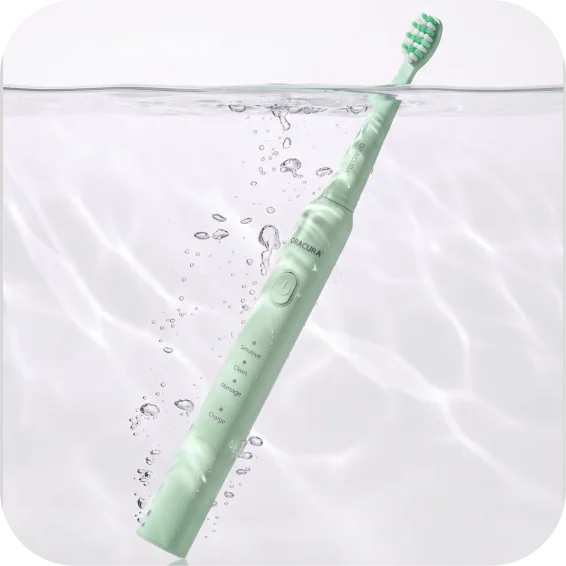
Despite daily brushing, plaque and gum issues silently threaten your smile and confidence. Oracura's dentist-trusted water flossers and sonic toothbrushes offer gentle, deep cleaning crafted for Indian homes. Paired with natural toothpaste, they ensure lasting oral health. Join 200,000+ happy users and transform your dental care for healthier teeth and gums. Shop Now!
Bad Breath in Urban India: More Than a Social Problem
Halitosis remains a widespread yet under-addressed issue in India's urban centers. Self-reported prevalence in various studies ranges from roughly 25% to 50%, with figures often higher in city populations due to lifestyle amplifiers. In metros, tobacco use both smoked and smokeless varieties prevalent in regions like Maharashtra and West Bengal combines with frequent intake of strong spices, onions, garlic, and caffeinated drinks, alongside rising periodontal concerns, to foster persistent odor.
Dentists in teaching hospitals and private clinics across Mumbai, Delhi, Bengaluru, Chennai, and Kolkata frequently see patients unaware that their bad breath originates less from tooth surfaces and more from plaque and bacteria thriving in interdental spaces and below the gum line. The Indian Dental Association stresses consistent interdental cleaning alongside brushing as essential for odor control, yet traditional string floss encounters low compliance amid fast-paced urban routines.
What Actually Causes Halitosis, According to Indian Dentists
Most bad breath around 80–90% of cases originates in the mouth. Anaerobic bacteria break down lingering food particles and proteins, releasing volatile sulfur compounds (VSCs) responsible for the characteristic rotten-egg smell. Primary contributors include accumulated debris in interdental spaces, tongue coating, and inflamed or infected gums (gingivitis progressing to periodontitis).
Periodontal observations in North India and other regions reveal elevated gingival inflammation tied to poor interdental hygiene. Brushing addresses only about 60% of tooth surfaces; the remaining areas tight spaces where bacteria flourish prove especially problematic for populations consuming sticky or fibrous foods common in Indian diets.
Water Flossers Explained: Beyond Traditional Oral Hygiene
A water flosser, or oral irrigator, delivers a pressurized, pulsating stream of water that flushes debris, plaque, and bacteria from between teeth and along the gum margin. Unlike string floss, it demands minimal manual skill for tight maneuvering and penetrates deeper into gum pockets.
Urban dental practices in Bengaluru, Chennai, Delhi, and Mumbai increasingly recommend water flossers for patients who find conventional flossing challenging. Clinical feedback underscores their capacity to dislodge trapped particles and lower bacterial loads in brushing-missed zones, directly targeting VSC-producing areas.
What Indian Research and Clinical Experience Say About Water Flossing and Halitosis
Although large-scale India-specific randomized trials on water flossers are limited, periodontists in metro cities consistently report patient improvements: diminished gum bleeding, reduced plaque accumulation, and markedly fresher breath with regular use. Hospital periodontal departments and private clinics note superior results in chronic halitosis linked to mild-to-moderate gum disease prevalent among smokers, betel-nut users, and orthodontic patients.
Clinicians observe that water flossers frequently outperform string floss in plaque removal and gingival health metrics, yielding fewer odor complaints over weeks of consistent application. This pattern echoes broader evidence but holds particular weight in India, where adherence to traditional flossing remains low.
Why Water Flossers Are Gaining Attention in Urban India
Post-pandemic hygiene consciousness has sped adoption of advanced oral-care devices in metros. The global oral care market, valued at USD 42.45 billion in 2024, is projected to reach USD 86.8 billion by 2035, expanding at a CAGR of 6.75% from 2025 to 2035, driven by rising demand for water flossers, smart electric toothbrushes, and preventive technologies. Market trends highlight growing interest among middle- and upper-income urban consumers prioritizing gum health and periodontal care.
Private dental chains in Bengaluru and Chennai, together with specialist periodontal clinics in Mumbai and Delhi, routinely suggest water flossers during consultations particularly for those reporting persistent bad breath despite twice-daily brushing. The momentum reflects a wider preventive dentistry surge: early intervention reduces invasive treatments and preserves gum health.
The broader oral irrigator market reinforces this shift. Valued at USD 1.09 billion in 2023, it is projected to reach USD 1.65 billion by 2033, growing at a CAGR of 4.7% during 2025–2033, fueled by heightened oral health awareness and convenient at-home solutions. In Asia-Pacific including India rising disposable incomes, expanding middle-class populations, and increasing dental issues from lifestyle and dietary factors position the region as a key growth driver.
Similarly, the dedicated water flosser segment reached USD 1,010 million in 2024 and is expected to hit USD 1,570 million by 2033 at a CAGR of 4.8% during 2025-2033, propelled by periodontal disease prevalence, oral hygiene awareness, and innovations in user-friendly designs.
How Dentists in Indian Cities Are Using Water Flossers
Periodontists customize recommendations to patient needs. Smokers in Delhi or Mumbai gain from deeper cleaning of nicotine-stained pockets. Orthodontic patients in tech-centric Bengaluru value gentle, effective debris removal around brackets. Individuals with chronic gingivitis in Chennai or Kolkata experience reduced inflammation and odor after integrating water flossing.
Compliance surpasses string floss users simply fill the reservoir, adjust pressure, and flush. Many notice fresher breath within days, reinforcing ongoing use. Experts emphasize water flossers as adjuncts that enhance periodontal outcomes, especially for those with implants, bridges, or wider gaps, while gently decreasing bleeding and strengthening sensitive gums.
What Water Flossers Can and Cannot Do
Water flossers serve as powerful complements, not stand-alone solutions. They do not replace brushing or tongue scraping, nor do they instantly resolve severe conditions like advanced periodontitis or tonsil stones. Common misconceptions include believing one session undoes years of neglect or that the device substitutes for professional cleanings.
Cost can deter some, though affordable models now range from ₹1,500–₹3,000. Clinicians in government dental hospitals advise proper technique medium pressure and correct angulation to prevent irritation. While effective at removing extra plaque and debris brushing misses, string floss remains ideal for scraping tight interproximal surfaces.
A Preventive Tool for India's Growing Urban Oral Health Needs
Adopting a water flosser aligns with public health priorities: easing pressure on overburdened dental services, curbing advanced gum treatments, and elevating quality of life. As preventive awareness grows in metros, effortless interdental tools promise substantial impact.
The Future of Bad Breath Management in Urban India
Bad breath frequently signals neglected gum lines rather than surface issues alone. For millions in India's dynamic, high-pressure cities, a water flosser provides a direct means to bridge that gap penetrating deeper, curbing bacteria, and rebuilding confidence flush by flush.
Senior periodontists in Mumbai, Delhi, Bengaluru, Chennai, and Kolkata increasingly regard it as a realistic stride toward lasting oral health. Consult your dentist to determine suitability for your routine; the gains in freshness and self-assurance prove substantial. In a nation where first impressions count amid crowded metros, sustained fresh breath represents a meaningful triumph.
Frequently Asked Questions
Can a water flosser really help eliminate bad breath?
Yes, water flossers can significantly reduce bad breath by targeting the root cause bacteria and food debris trapped between teeth and below the gum line. Since approximately 80-90% of halitosis originates from anaerobic bacteria in these hard-to-reach areas that brushing misses, the pressurized water stream effectively flushes out particles and reduces volatile sulfur compounds (VSCs) responsible for odor. Dentists across Indian metro cities consistently report that patients experience fresher breath within days of regular use, especially those with mild-to-moderate gum disease.
How does a water flosser work better than regular flossing for bad breath?
Water flossers deliver a pulsating stream of water that penetrates deeper into gum pockets and interdental spaces where odor-causing bacteria thrive, without requiring the manual dexterity needed for string floss. Clinical observations show they frequently outperform traditional floss in plaque removal and gingival health, directly targeting the VSC-producing zones that cause halitosis. Users also report higher compliance rates since the device is easier to use simply fill, adjust pressure, and flush making it more likely you'll maintain consistent interdental cleaning that prevents bacterial buildup.
Are water flossers suitable for people with tobacco habits or those who consume spicy Indian foods?
Absolutely. Water flossers are particularly beneficial for urban Indians who consume spicy foods, chai, coffee, and use smokeless tobacco all of which contribute to persistent bad breath. Periodontists in cities like Mumbai and Delhi specifically recommend them for smokers and betel-nut users, as the device provides deeper cleaning of nicotine-stained gum pockets and effectively removes sticky residue from fibrous or spicy foods common in Indian diets. When used consistently alongside brushing and tongue scraping, water flossers address the lifestyle-related bacterial buildup that traditional brushing alone cannot eliminate.
Disclaimer: The above helpful resources content contains personal opinions and experiences. The information provided is for general knowledge and does not constitute professional advice.
You may also be interested in: Bad Breath | 5 Tips on Getting Rid of Halitosis
Despite daily brushing, plaque and gum issues silently threaten your smile and confidence. Oracura's dentist-trusted water flossers and sonic toothbrushes offer gentle, deep cleaning crafted for Indian homes. Paired with natural toothpaste, they ensure lasting oral health. Join 200,000+ happy users and transform your dental care for healthier teeth and gums. Shop Now!
Powered by flareAI.co