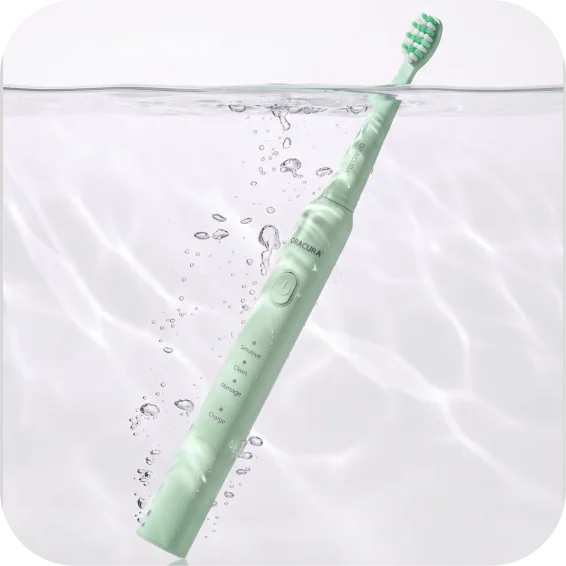
In the crowded metros of India, where long work hours, spicy diets, and hurried mornings often compromise oral care routines, a subtle but meaningful change is taking hold. Urban residents in Mumbai, Delhi, Bengaluru, Chennai, and Kolkata are increasingly turning to electric toothbrushes not out of trend-chasing, but as a reliable ally against persistent plaque, gingivitis, and the early stages of periodontal issues that dentists see routinely in city clinics. With oral diseases affecting nearly 3.7 billion people globally and untreated dental caries ranking as the most common health condition worldwide, according to the World Health Organization, preventive tools like these powered devices offer practical value in high-pressure urban environments.
Despite daily brushing, plaque and gum issues silently threaten your smile and confidence. Oracura's dentist-trusted water flossers and sonic toothbrushes offer gentle, deep cleaning crafted for Indian homes. Paired with natural toothpaste, they ensure lasting oral health. Join 200,000+ happy users and transform your dental care for healthier teeth and gums. Shop Now!
Best Practices for Using an Electric Toothbrush: What Indian Dental Experts Recommend
How evidence from major Indian cities is guiding smarter, more effective daily oral-care habits
The rise of electric toothbrushes in India's Tier-1 cities reflects broader awareness of oral health as a preventive priority. Globally, the electric toothbrush market stood at USD 3.40 billion in 2024 and is projected to grow to USD 4.82 billion by 2032 at a CAGR of 4.55%, driven by heightened focus on reducing tooth decay, maintaining gum health, and preserving tooth strength. In parallel, the overall oral care market continues its upward trajectory, with toothbrushes especially electric variants gaining share through innovations like pressure sensors and timers. Another analysis places the electric segment at USD 4.21 billion in 2024, expecting it to reach USD 8.97 billion by 2035 at a 7.12% CAGR, fueled by dental awareness campaigns, technological advances, and rising disposable incomes.
In Indian urban settings, dentists observe patterns tied to lifestyle factors: irregular brushing during commutes, sugar-laden snacks, and stress that exacerbate plaque accumulation. The Indian Dental Association (IDA) recognizes powered brushes as beneficial, especially for those with dexterity challenges, sensitive gums, or crowded teeth common in many Indian mouths. These devices consistently outperform manual brushing in plaque removal often by noticeable margins in clinical observations particularly in posterior areas and along the gumline where food particles linger after masala-rich meals.
Two primary technologies dominate: oscillating-rotating brushes, which spin and pulsate to break up debris, and sonic models that deliver high-frequency vibrations to create fluid dynamics for deeper cleaning. Evidence from dental literature and Indian institutional reviews supports superior plaque reduction with powered options, aligning with global findings that favor them for daily use. For Indian dentition patterns frequently featuring spacing issues, mild malocclusion, or dietary staining these brushes deliver thorough coverage without demanding flawless manual skill.
Effective daily technique remains essential, even with advanced features. Dentists across Mumbai, Delhi, and other metros stress brushing for a full two minutes twice a day, using a gentle 45-degree angle to the gumline. Glide the brush slowly from tooth to tooth rather than scrubbing vigorously; let the device's motion handle the work. Modern models incorporate timers that divide the mouth into quadrants and pressure sensors that alert users to excessive force a common culprit behind enamel abrasion and gum recession seen in city practices. The IDA consistently advocates light, controlled brushing to prevent over-scrubbing, making these built-in safeguards particularly useful in fast-paced urban routines.
Smart connectivity is accelerating adoption in tech-forward cities like Bengaluru and Chennai. App-linked brushes track brushing coverage, duration, and habits, offering feedback that encourages consistency. Post-pandemic, recommendations from dentists in Delhi and Kolkata have surged, as heightened hygiene consciousness translated into preventive investments. While some consumers choose based on marketing, many now seek dentist-guided selections tailored to conditions like sensitivity or orthodontic needs prevalent in Indian populations.
Tangible improvements emerge quickly when users adopt proper habits. Mumbai clinic records frequently show reduced plaque scores and diminished gum bleeding after six to eight weeks of consistent, correct electric brushing. In Bengaluru, corporate wellness programs increasingly include sessions promoting powered brushes, crediting timers and gentle action for higher compliance among employees. Chennai hospitals treating periodontal patients incorporate device education, reporting better outcomes when vibration patterns and alerts curb aggressive techniques.
Despite these advantages, hurdles remain context-specific to India. Advanced technology cannot compensate for misuse; aggressive scrubbing still leads to recession in some Delhi and Kolkata cases. Affordability limits access across income groups, while replacement heads ideally changed every three months often get overlooked, reducing long-term efficacy. Over-dependence on the brush without periodic professional cleanings and check-ups risks masking deeper problems.
The long-term rewards justify the shift. Superior plaque control lowers the incidence of advanced periodontal disease, easing pressure on urban healthcare resources and cutting future treatment costs. In metros like Mumbai and Chennai, expanded dentist-led awareness efforts could embed electric brushing into community and workplace initiatives, amplifying preventive impact.
Electric toothbrushes deliver meaningful benefits for city dwellers in India cleaner teeth, healthier gums, and reduced disease risk provided they are used with discipline, proper technique, and occasional dentist oversight. As adoption grows thoughtfully across Mumbai, Delhi, Bengaluru, Chennai, and Kolkata, the devices become more than tools: they support sustained oral wellness amid demanding urban realities. Ultimately, success hinges not on owning the brush, but on wielding it intentionally every day.
Frequently Asked Questions
How long should I brush my teeth with an electric toothbrush?
Dentists recommend brushing for a full two minutes twice daily with an electric toothbrush. Modern electric toothbrushes come with built-in timers that divide the mouth into quadrants, ensuring you spend adequate time on each section. This duration allows the brush's oscillating or sonic technology to effectively remove plaque without requiring vigorous scrubbing.
What is the correct technique for using an electric toothbrush?
Hold the electric toothbrush at a gentle 45-degree angle to your gumline and glide it slowly from tooth to tooth, letting the device's motion do the work rather than scrubbing vigorously. Use light pressure most modern electric toothbrushes have pressure sensors that alert you if you're brushing too hard, which helps prevent enamel abrasion and gum recession. The key is to move the brush methodically across all surfaces while allowing the powered technology to handle the cleaning action.
Are electric toothbrushes better than manual toothbrushes for plaque removal?
Yes, electric toothbrushes consistently outperform manual brushing in plaque removal, often by noticeable margins according to clinical observations and dental literature. They are particularly effective at cleaning hard-to-reach posterior areas and along the gumline where food particles tend to accumulate. The Indian Dental Association (IDA) recognizes powered brushes as especially beneficial for people with dexterity challenges, sensitive gums, or crowded teeth, making them valuable tools for preventive oral care.
Disclaimer: The above helpful resources content contains personal opinions and experiences. The information provided is for general knowledge and does not constitute professional advice.
You may also be interested in: How Often Should You Replace Your Electric Toothbrush Head?
Despite daily brushing, plaque and gum issues silently threaten your smile and confidence. Oracura's dentist-trusted water flossers and sonic toothbrushes offer gentle, deep cleaning crafted for Indian homes. Paired with natural toothpaste, they ensure lasting oral health. Join 200,000+ happy users and transform your dental care for healthier teeth and gums. Shop Now!
Powered by flareAI.co