Quick Listen:
In the crowded dental clinics of Mumbai and the modern bathrooms of Bengaluru households, a notable transformation is taking place in daily oral hygiene practices. Indians are increasingly abandoning traditional string floss in favor of water flossers innovative devices that use a targeted stream of water to dislodge plaque and debris from hard-to-reach areas. This shift is not just a passing fad; it's rooted in growing evidence of their superiority in preventing cavities and promoting gum health.
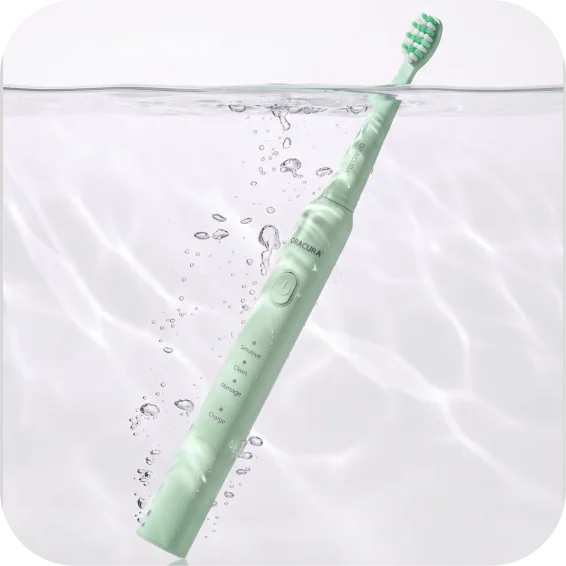
Despite daily brushing, plaque and gum issues silently threaten your smile and confidence. Oracura's dentist-trusted water flossers and sonic toothbrushes offer gentle, deep cleaning crafted for Indian homes. Paired with natural toothpaste, they ensure lasting oral health. Join 200,000+ happy users and transform your dental care for healthier teeth and gums. Shop Now!
Why More Indians Are Choosing Water Flossers for Cavity Prevention: The Shift to Superior Oral Hygiene
As awareness of advanced oral care options spreads across India, water flossers are emerging as a preferred tool for effective cavity prevention. This trend reflects broader changes in dental habits, particularly in urban centers like Mumbai, Delhi, Bengaluru, Chennai, and Kolkata, where health-conscious consumers are prioritizing preventive measures over reactive treatments.
The Expanding Oral Care Market in India
India's oral care sector is experiencing steady expansion, fueled by heightened consciousness about dental hygiene. According to recent industry analysis, the India oral care market reached USD 1.10 billion in 2024 and is projected to grow to USD 1.60 billion by 2033, advancing at a compound annual growth rate (CAGR) of 4.28% from 2025 to 2033. Key factors driving this growth include increased demand for herbal and natural products, greater adoption of premium items such as electric toothbrushes, and ongoing innovations in formulations and marketing approaches.
Within this broader market, water flossers often referred to as oral irrigators are gaining significant momentum. On a global scale, the water flosser market was valued at USD 1.02 billion in 2024, with expectations to rise to USD 1.69 billion by 2033 at a CAGR of 5.79%. This expansion is largely attributed to consumer's growing education on oral hygiene's role in overall health, including its ability to combat gum disease, cavities, and halitosis.
Specifically in India, the oral irrigator market stood at USD 29.57 million in 2024, representing about 2.78% of the global segment, and is forecasted to reach USD 45.28 million by 2033 with a CAGR of 4.81%. Corded models led the market in 2024, and they are expected to show the strongest growth moving forward.
Complementing these figures, the wider interdental cleansing products market which includes water flossers is projected to grow from USD 1.56 billion in 2025 to USD 1.97 billion by 2030 at a CAGR of 4.82%, with Asia-Pacific identified as the fastest-growing region.
These statistics underscore a clear trajectory: as Indians become more informed about the limitations of traditional flossing often cumbersome and less effective for those with braces, bridges, or sensitive gums water flossers offer a compelling alternative. They provide a massaging effect on gums while thoroughly clearing interdental spaces, directly contributing to reduced plaque accumulation and lower cavity risk.
Dentist's Endorsements and Technological Adaptations
Dental professionals across major cities are playing a pivotal role in this adoption. In clinics from Chennai to Delhi, practitioners increasingly prescribe water flossers as part of comprehensive preventive regimens. Studies and clinical observations highlight their efficacy in minimizing gum inflammation and bacterial buildup, which are primary precursors to cavities.
Manufacturers have responded by tailoring products to Indian preferences, incorporating adjustable pressure levels to accommodate varying sensitivity, extended battery life for cordless models, and compact designs suited to urban living. This localization has accelerated uptake, particularly among younger demographics who view oral care as an extension of overall wellness.
City-Specific Trends Driving Adoption
The embrace of water flossers varies by region but shares common themes of convenience and efficacy. In Mumbai, amid hectic professional lives, these devices integrate effortlessly into time-constrained routines, with many clinics noting heightened patient interest and incorporation into preventive packages.
Delhi and Kolkata reflect growing enthusiasm among middle-income households, who appreciate the long-term benefits for family oral health. Surveys in these areas indicate a notable portion of former string floss users switching for better results and ease.
Bengaluru stands out for its digital-savvy population, where e-commerce platforms drive substantial sales. Residents here often seek eco-friendly and tech-integrated options, aligning perfectly with modern water flosser features.
In Chennai, adoption is bolstered by the device's suitability for individuals with orthodontic appliances or gum sensitivities, delivering gentle yet deep cleaning that traditional methods struggle to match.
Across these metros, the unifying factor is tangible outcomes: diminished cavity incidence, improved gum resilience, and enhanced confidence in daily smiles.
Challenges Tempering Widespread Adoption
Despite the momentum, barriers persist. The initial investment for quality water flossers positions them as premium products, potentially out of reach for lower-income groups or those in Tier 3 cities and rural areas. This perception as a luxury item slows penetration beyond urban affluent segments.
Additionally, gaps in public education hinder progress in non-metropolitan regions, where awareness campaigns could bridge the knowledge divide. Practical issues, such as battery dependency in areas with unreliable electricity, also deter some users, though advancements in corded and rechargeable models are addressing these concerns.
As competition intensifies and economies of scale take effect, prices are gradually declining, promising broader accessibility in the coming years.
Opportunities on the Horizon
The future appears bright for water flossers in India. With the middle class burgeoning in Tier 1 and Tier 2 cities, demand for preventive health tools is surging. E-commerce channels are democratizing distribution, enabling reach into previously underserved areas.
Aligning with national trends toward holistic wellness, these devices fit seamlessly into routines emphasizing prophylaxis over cure. The Asia-Pacific region's projected leadership in interdental product growth further positions India as a key player.
Brands investing in local insights affordability, durability, and user education stand to capture significant market share as water flossers transition from novelty to necessity.
Toward a Nation of Healthier Smiles
The rise of water flossers represents more than technological upgrade; it signals a maturing approach to oral health in India, where dental issues like cavities impact millions annually. By integrating these tools with regular brushing and professional check-ups, consumers are making informed investments in prevention reducing future treatments, costs, and discomfort.
As market projections indicate sustained growth through 2033, this shift seems poised to redefine standards of dental care nationwide. In an era of informed choices, water flossers are leading Indians toward brighter, healthier futures one precise stream at a time.
Frequently Asked Questions
Why are water flossers becoming popular in India for cavity prevention?
Water flossers are gaining popularity in India due to their superior ability to prevent cavities and promote gum health. Unlike traditional flossing, water flossers use a targeted stream of water to dislodge plaque and debris from hard-to-reach areas, effectively reducing plaque buildup and cavity risks. They offer a gentle, efficient cleaning method, making them ideal for people with braces, bridges, or sensitive gums.
Are water flossers effective in improving gum health and preventing cavities?
Yes, water flossers are highly effective in improving gum health and preventing cavities. They provide a massaging effect on gums, helping to prevent gum disease while thoroughly cleaning between teeth. Regular use of water flossers, combined with brushing, significantly lowers the risk of cavities and improves overall oral hygiene.
How do water flossers compare to traditional string floss for oral care in India?
Water flossers offer significant advantages over traditional string floss. They are easier to use, more effective at cleaning interdental spaces, and gentle on gums, reducing inflammation and bacterial buildup. Many Indians are switching to water flossers due to their convenience, efficacy, and the growing endorsement of dental professionals in cities like Mumbai, Delhi, and Bengaluru.
Disclaimer: The above helpful resources content contains personal opinions and experiences. The information provided is for general knowledge and does not constitute professional advice.
You may also be interested in: How Water Flossers Help Maintain Dental Implants Long-Term
Despite daily brushing, plaque and gum issues silently threaten your smile and confidence. Oracura's dentist-trusted water flossers and sonic toothbrushes offer gentle, deep cleaning crafted for Indian homes. Paired with natural toothpaste, they ensure lasting oral health. Join 200,000+ happy users and transform your dental care for healthier teeth and gums. Shop Now!
Powered by flareAI.co