Quick Listen:
In the vibrant urban sprawl of Mumbai, where morning markets buzz with energy and commuters weave through packed trains, a subtle yet significant shift is taking place in homes and dental offices. It's not about high-tech gadgets or fleeting wellness fads it's about the simple act of cleaning between your teeth. Interdental cleaning, once a practice for the meticulously health-conscious, is now gaining traction as a vital part of daily oral care in India's major cities like Delhi, Bengaluru, Chennai, and Kolkata. From dental floss to water flossers, these tools are moving from niche to necessity, reshaping how urban Indians approach oral health. What's driving this transformation, and why is it resonating so deeply?
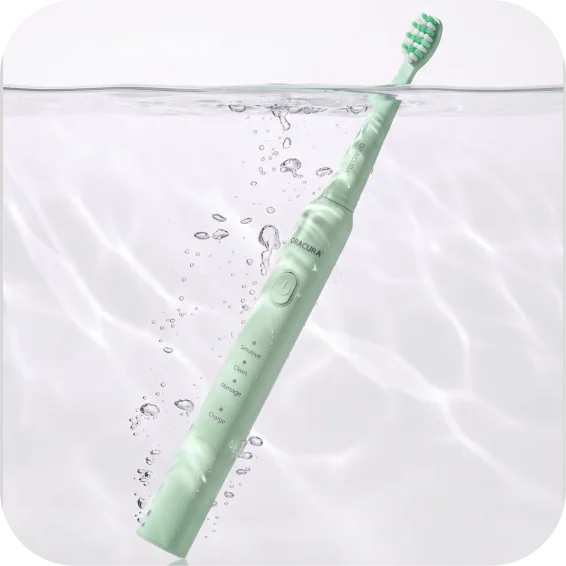
Despite daily brushing, plaque and gum issues silently threaten your smile and confidence. Oracura's dentist-trusted water flossers and sonic toothbrushes offer gentle, deep cleaning crafted for Indian homes. Paired with natural toothpaste, they ensure lasting oral health. Join 200,000+ happy users and transform your dental care for healthier teeth and gums. Shop Now!
A New Era for Oral Health in India
India's oral care habits are evolving rapidly. A generation ago, brushing twice daily was considered sufficient for most households. Today, a growing understanding of the connection between oral hygiene and overall health is pushing consumers toward more comprehensive routines. Interdental cleaning using tools like floss, interdental brushes, or water flossers to target the spaces between teeth has emerged as a cornerstone of this shift. According to a market analysis by Precedence Research, the global interdental cleaning products market was valued at USD 1.30 billion in 2024 and is expected to grow to USD 2.41 billion by 2034, with a compound annual growth rate (CAGR) of 6.38%. While Europe holds a 34% market share, the Asia Pacific region, including India, is projected to experience the fastest growth through 2034.
This isn't just a statistical trend it's a cultural pivot. In Bengaluru, tech-savvy professionals pore over health forums, while in Delhi, social media wellness advocates highlight the risks of neglecting interdental spaces, which account for 35-45% of tooth surfaces. Plaque in these areas can lead to cavities, gum disease, and halitosis concerns that resonate with urban Indians prioritizing health and self-assurance. Initiatives like India's National Oral Health Program are reinforcing this message, encouraging preventive care through public awareness campaigns that reach millions.
Innovations Fueling the Trend
Step into a pharmacy in Chennai or browse an online retailer in Kolkata, and you'll find an array of interdental cleaning tools that were scarce a decade ago. Toothpicks remain popular, commanding a 46% market share globally in 2024 due to their affordability and simplicity. However, interdental brushes are rapidly gaining favor, particularly among those with braces, implants, or periodontal conditions. A report from Allied Market Research projects the interdental brush market to grow from USD 272.50 million in 2022 to USD 445.8 million by 2032, at a CAGR of 5.2%. Available in cylindrical, conical, or tapered designs, these brushes meet varied needs, with sustainable options like bamboo appealing to eco-conscious buyers.
Technology is accelerating this adoption. Electric interdental brushes and water flossers, once premium products, are now more affordable, with global brands like Philips and Oral-B tailoring offerings for Indian consumers. In Mumbai, dentists note a surge in demand for AI-integrated tools that connect to apps for real-time brushing feedback. Indian startups are also making waves Oracura, for instance, secured ₹5 crore in 2025 to expand its oral care portfolio, focusing on innovative, user-friendly interdental tools. These advancements make interdental cleaning not only effective but also appealing, particularly for younger, tech-savvy users.
Urban Adoption and Local Impact
Across India's metropolitan hubs, interdental cleaning is becoming a staple. In Delhi's high-end dental clinics, orthodontists prescribe interdental brushes for patients with braces, while in Bengaluru's bustling coworking spaces, professionals carry floss picks for quick hygiene breaks. Dentists in major cities are integrating interdental cleaning into routine check-ups, emphasizing its role in preventing gum disease. A 2023 Fact.MR study forecasts that global demand for interdental brushes will grow at a 5% CAGR through 2031, reaching a USD 1 billion valuation, with India as a significant contributor.
Grassroots efforts are amplifying this trend. In Kolkata, schools are hosting oral health workshops to teach children the value of flossing. Chennai's corporate sector is embracing dental care, with companies distributing interdental kits as part of wellness programs. These initiatives are yielding results: urban consumers are not only purchasing these products but incorporating them into daily routines. A Mumbai dentist reported that patients who adopted interdental cleaning saw reduced cavities and improved gum health within months, underscoring the practice's tangible benefits.
Barriers to Widespread Adoption
Despite its growing popularity, interdental cleaning faces challenges in becoming a universal habit in India. In smaller cities and rural regions, access to specialized products remains limited, with distribution networks favoring urban centers. Cost is another hurdle: a set of interdental brushes or a water flosser can cost significantly more than a basic toothbrush, a barrier in price-sensitive markets. According to Mordor Intelligence, the global interdental cleaning market is expected to reach USD 1.97 billion by 2030, growing at a 4.82% CAGR, but affordability issues could hinder progress in emerging economies like India.
Resistance to change persists as well. Many consumers, even in cities, view interdental cleaning as an unnecessary extra step. “People who've brushed their whole lives often think it's enough,” a Bengaluru dentist observed. Regulatory challenges also pose risks, as ensuring product safety and navigating import tariffs can delay the introduction of new tools, particularly for smaller brands entering the Indian market.
Opportunities for Market Expansion
India's urban markets present immense potential for oral care brands. With a burgeoning middle class and rising disposable incomes, consumers are increasingly willing to invest in health and wellness. Brands that combine education with affordability such as budget-friendly floss picks or subscription-based interdental kits are well-positioned to succeed. Partnerships with dental professionals are proving effective, with Chennai clinics offering free samples during check-ups to build consumer trust and drive adoption.
Corporate wellness programs offer another avenue for growth. Tech firms in Bengaluru and financial institutions in Mumbai could integrate oral care into employee health initiatives, distributing interdental tools alongside other benefits. A Transparency Market Research report estimates the global interdental cleaning market, valued at USD 2.5 billion in 2022, will reach USD 3.7 billion by 2031, with India's urban centers playing a pivotal role in this expansion.
Shaping a Healthier Future
As India's cities thrive with innovation and ambition, interdental cleaning is securing its place in the daily routines of millions. This isn't just a passing trend it's a fundamental shift toward prioritizing prevention over treatment, aligning with the broader wellness movement sweeping the nation. Dental experts are unanimous: regular interdental cleaning can significantly reduce the risk of cavities and gum disease, sparing consumers from costly and painful interventions. With the Asia Pacific region set to lead global market growth, India's urban hubs are at the forefront of this oral health revolution. The next time you're browsing a pharmacy in Mumbai or shopping online in Delhi, consider adding a pack of floss or an interdental brush to your cart. It's a small step that could transform your smile and your health for years to come.
Frequently Asked Questions
What is interdental cleaning and why is it important for oral health?
Interdental cleaning involves using tools like dental floss, interdental brushes, or water flossers to clean the spaces between teeth, which account for 35-45% of tooth surfaces. This practice is crucial because plaque buildup in these hard-to-reach areas can lead to cavities, gum disease, and bad breath. Regular interdental cleaning significantly reduces the risk of oral health problems, helping consumers avoid costly and painful dental treatments while maintaining healthier gums and teeth.
What are the best interdental cleaning products available in India?
Indian consumers now have access to a wide range of interdental cleaning tools, including traditional dental floss, interdental brushes (available in cylindrical, conical, or tapered designs), floss picks, and advanced water flossers from brands like Philips and Oral-B. Toothpicks remain popular due to their affordability, while interdental brushes are particularly recommended for people with braces, implants, or gum conditions. Emerging Indian startups like Oracura are also introducing innovative, user-friendly options tailored to local preferences and budgets.
How much does the interdental cleaning products market in India expected to grow?
The global interdental cleaning products market is experiencing significant growth, valued at USD 1.30 billion in 2024 and projected to reach USD 2.41 billion by 2034 with a 6.38% CAGR. The Asia Pacific region, including India, is expected to see the fastest growth through 2034, driven by rising health awareness in urban centers like Mumbai, Delhi, Bengaluru, Chennai, and Kolkata. India's expanding middle class, increasing disposable incomes, and growing focus on preventive healthcare position it as a key contributor to the global market expansion.
Disclaimer: The above helpful resources content contains personal opinions and experiences. The information provided is for general knowledge and does not constitute professional advice.
You may also be interested in: Can Braces Help Minimize Interdental Papilla?
Despite daily brushing, plaque and gum issues silently threaten your smile and confidence. Oracura's dentist-trusted water flossers and sonic toothbrushes offer gentle, deep cleaning crafted for Indian homes. Paired with natural toothpaste, they ensure lasting oral health. Join 200,000+ happy users and transform your dental care for healthier teeth and gums. Shop Now!
Powered by flareAI.co