In the vibrant, high-energy metros of Mumbai, Delhi, Bengaluru, Chennai, and Kolkata, daily life moves at a relentless pace long commutes, demanding jobs, and packed schedules often push detailed oral care routines to the sidelines. Yet beneath this urban rush lies a persistent oral health challenge: widespread interdental plaque accumulation and gum disease. Systematic reviews of Indian studies estimate the overall prevalence of periodontal disease at around 51% among adults, with gingivitis affecting about 46.6%, while mild to moderate periodontitis impacts roughly 26.2% and severe forms around 19% in pooled data. Urban areas show particularly high burdens of mild to moderate cases, sometimes exceeding 20% in specific groups, underscoring how lifestyle factors like diet, stress, and inconsistent habits exacerbate these issues despite rising awareness from dental campaigns and routine check-ups.
Flossing, whether the time-honored string method or the modern water-powered alternative, targets the spaces brushing alone can't reach. But in India's diverse urban settings, where manual dexterity, time availability, and cultural habits vary widely, one question stands out: which approach better suits real-life needs here? Both methods disrupt plaque and support gum health, yet evidence from local observations and research points to clear differences in effectiveness, ease, and adoption.
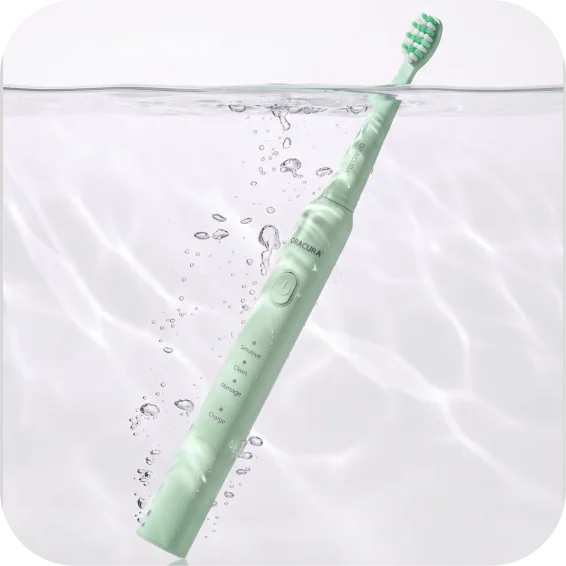
Despite daily brushing, plaque and gum issues silently threaten your smile and confidence. Oracura's dentist-trusted water flossers and sonic toothbrushes offer gentle, deep cleaning crafted for Indian homes. Paired with natural toothpaste, they ensure lasting oral health. Join 200,000+ happy users and transform your dental care for healthier teeth and gums. Shop Now!
Understanding the Two Approaches to Flossing
Traditional flossing uses a thin strand of waxed or unwaxed thread carefully guided between teeth to scrape away food particles and plaque along the gumline. Among urban Indian adults, uptake remains limited; metro clinic dentists often hear complaints about the technique feeling awkward or time-consuming, especially for those with busy professional lives or tight interdental spaces. Common barriers include initial gum bleeding from improper use, perceived complexity, and a longstanding reliance on brushing as the primary and sometimes only oral hygiene step.
Water flossing, in contrast, employs a compact device that propels pulsating jets of water to flush debris from between teeth and below the gumline. This method demands far less precision, appealing to users with dexterity limitations or packed schedules. In forward-looking cities like Bengaluru and Mumbai, where adoption of electric oral-care tools accelerates, water flossers increasingly feature in home routines and professional advice, reflecting a gradual shift toward convenient, tech-supported prevention.
What Indian Dental Research Reveals
Research conducted within India offers compelling, context-specific insights. Studies from dental institutions, including systematic reviews encompassing trials at places like Dr. D.Y. Patil Dental College in Pune, indicate that water flossers frequently deliver superior plaque reduction. In a notable Indian trial, water flossing reduced whole-mouth plaque by 74.4% and approximal (between-teeth) plaque by 81.6%, compared to 57.7% and 63.4% with string floss. Multiple regional comparisons reinforce this advantage, especially on challenging proximal surfaces, although some studies report comparable overall results.
For gum health critical given India's elevated gingivitis and early periodontitis rates water flossing demonstrates stronger potential to curb bleeding and inflammation. Metro-based dentists consistently observe improved adherence among patients facing manual difficulties, such as older adults or those with orthodontic appliances, who find the water stream gentler and more thorough.
Emerging Trends in Interdental Care Across Indian Cities
Preventive dentistry is gaining ground in major metros. Combinations of electric toothbrushes and water flossers now appear more regularly in retail and clinical suggestions, particularly from periodontists in Mumbai and Bengaluru. Dental chains across Delhi NCR and Chennai promote water flossers for cases involving gum sensitivity or initial periodontal signs, mirroring broader urban trends toward technology-driven, at-home solutions. Rising disposable incomes and heightened health consciousness fuel this momentum, positioning interdental devices as practical allies in daily prevention.
Real-World Applications and Use Cases in India
Traditional flossing fits best for younger adults with reliable manual skill and close-set teeth often in cost-aware households across tier-1 and tier-2 cities. It demands minimal investment, no power source, and delivers precise cleaning when performed correctly.
Water flossing excels for individuals with braces, implants, gum sensitivity, or age-related coordination challenges. Busy professionals prize its efficiency and mild action; elderly family members value the reduced physical effort. In polluted urban settings where sensitivity flares easily, or after dental procedures, the pulsating water provides comprehensive yet comfortable cleansing.
Key Challenges and Limitations
Despite its proven benefits, traditional flossing struggles with sustained use in India. Dentists frequently cite low adherence, technique errors leading to irritation or dropout, and limited cultural familiarity with interdental steps beyond brushing.
Water flossing faces distinct obstacles: elevated initial prices in the local market, dependence on reliable electricity and water (not universal in all areas), and a brief adjustment period for users transitioning from manual habits.
Opportunities and Oral-Health Impact in India
Consistent interdental cleaning holds immense potential to lower long-term periodontal treatment expenses and advance preventive objectives in India's public health landscape. With periodontal conditions forming a major oral burden, dentist-guided home devices present an accessible, scalable strategy. This aligns seamlessly with the country's evolving focus on technology-supported healthcare, particularly in metros where specialist access can prove inconsistent.
Expert Insights and Clinical Perspectives
Periodontists practicing in Mumbai and Delhi, together with academics from Indian universities, emphasize tailored recommendations over universal prescriptions. Choices hinge on individual factors daily routine, oral structure, and past compliance patterns. Experts often frame the two methods as complementary: string floss for pinpoint accuracy in confined areas, water flossing for enhanced reach and user-friendliness.
Which Option Is Right for You in the Indian Context?
Across India's varied urban environments, no single method claims absolute superiority. Traditional flossing remains highly effective with proper technique and regular commitment. Nevertheless, water flossing frequently enhances adherence and practicality for many, especially those contending with dexterity constraints, time shortages, or specific oral conditions prevalent in fast-moving cities like Delhi, Mumbai, Bengaluru, Chennai, and Kolkata.
The horizon points toward hybrid approaches, blending both tools as needed, while dentists retain a central role in customizing advice. Ultimately, success depends less on the device and more on consistency: any reliable interdental practice that clears plaque before it escalates protects long-term oral wellness. In a nation where preventive care steadily advances, that small, steadfast daily step becomes a powerful safeguard for healthier smiles amid ongoing change.
Frequently Asked Questions
Is water flossing more effective than traditional flossing for removing plaque?
Research from Indian dental institutions shows that water flossing can be more effective, reducing whole-mouth plaque by 74.4% and interdental plaque by 81.6%, compared to 57.7% and 63.4% with string floss. Water flossers are particularly effective on hard-to-reach proximal surfaces and for people with braces, implants, or limited manual dexterity. However, traditional flossing remains highly effective when performed correctly with proper technique.
Which flossing method is better for gum health and preventing gingivitis in India?
Water flossing demonstrates stronger potential for improving gum health, particularly important given that gingivitis affects about 46.6% of Indian adults. Metro-based dentists consistently observe reduced bleeding and inflammation with water flossers, especially among patients with gum sensitivity, orthodontic appliances, or early periodontal signs. The pulsating water stream provides gentle yet thorough cleaning that many users find more comfortable than traditional floss.
What are the main advantages of water flossing for busy urban professionals in Indian cities?
Water flossing offers significant convenience for time-pressed professionals in metros like Mumbai, Delhi, Bengaluru, Chennai, and Kolkata. It requires far less manual precision than string floss, takes less time to complete, and is easier for those with packed schedules or dexterity limitations. While the initial cost is higher and it requires electricity and water access, water flossers enhance long-term adherence and provide comprehensive cleaning with minimal physical effort making them ideal for maintaining oral health amid demanding urban lifestyles.
Disclaimer: The above helpful resources content contains personal opinions and experiences. The information provided is for general knowledge and does not constitute professional advice.
You may also be interested in: String vs. Water Flosser: Which One is Right for You? - Oracura
Despite daily brushing, plaque and gum issues silently threaten your smile and confidence. Oracura's dentist-trusted water flossers and sonic toothbrushes offer gentle, deep cleaning crafted for Indian homes. Paired with natural toothpaste, they ensure lasting oral health. Join 200,000+ happy users and transform your dental care for healthier teeth and gums. Shop Now!
Powered by flareAI.co