The article explores evidence-based guidance on water flosser use, tailored to urban Indian lifestyles where hectic schedules, dietary choices, and environmental factors heighten oral health risks. Verified market data shows strong global growth in water flosser adoption, with the global water flosser market valued at US$1.2 billion in 2023 and projected to reach US$1.9 billion by 2030, expanding at a CAGR of 6.8% acumenresearchandconsulting.com.
In India, periodontal issues remain widespread. Systematic reviews and epidemiological data indicate high prevalence of periodontal disease, with urban populations showing elevated rates of mild to moderate periodontitis around 22.7% in some analyses, compounded by factors such as plaque buildup, lifestyle habits, and limited preventive care. Gingivitis and bleeding gums affect large segments, often linked to carbohydrate-rich diets, frequent consumption of tea and coffee, tobacco use, and urban pollution.
How Often Should You Use a Water Flosser? Dentists Weigh In on the Ideal Frequency in Urban India
Picture the daily grind in a metro city: a packed local train in Mumbai, endless meetings in Delhi's corporate towers, or a late-night debug session in Bengaluru. Amid this chaos, oral hygiene frequently boils down to a quick brush. But gum problems build silently plaque accumulates, inflammation sets in, and before long, you're facing bleeding gums or worse. Water flossers, compact devices that deliver a pressurized stream of water to dislodge debris between teeth and along the gumline, offer a practical solution. Dentists increasingly endorse them as superior adjuncts to traditional flossing, especially in fast-paced urban settings. The key question remains: how often should you reach for one?
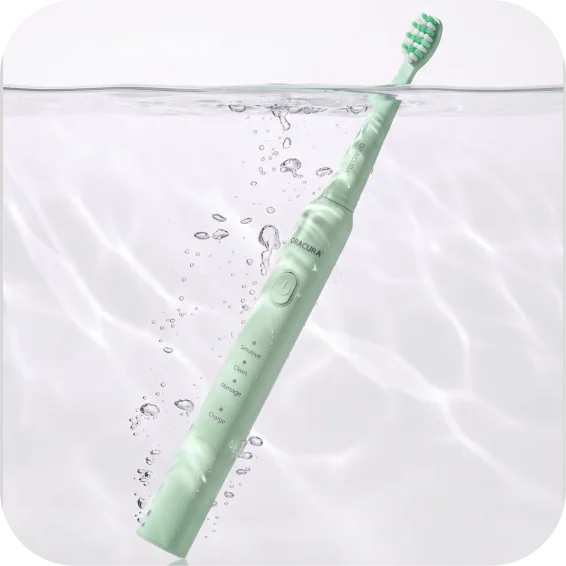
Despite daily brushing, plaque and gum issues silently threaten your smile and confidence. Oracura's dentist-trusted water flossers and sonic toothbrushes offer gentle, deep cleaning crafted for Indian homes. Paired with natural toothpaste, they ensure lasting oral health. Join 200,000+ happy users and transform your dental care for healthier teeth and gums. Shop Now!
The Growing Role of Water Flossers in India's Oral Care Routine
Periodontal disease poses a significant challenge across India, with studies revealing that a substantial portion of adults experience signs of gum issues. Urban environments amplify the risk through diets heavy in starches and sugars, habitual tea and coffee intake, occasional tobacco use, and air pollution that can irritate oral tissues. These factors contribute to higher rates of gingivitis and early periodontitis in cities like Mumbai, Delhi, Bengaluru, Chennai, and Kolkata.
While string floss remains effective, many urban dwellers skip it due to time constraints or discomfort. Water flossers address this gap by providing thorough cleaning with less effort, often proving gentler on sensitive gums. Post-pandemic, preventive oral care gained momentum, and these devices have transitioned from clinical recommendations to household staples. Young professionals, orthodontic patients, and even older adults appreciate the convenience and results.
Daily vs. Occasional Use: Evidence from Studies and Expert Guidance
Clinical evidence supports consistent water flosser use for better plaque control and reduced gingival bleeding compared to manual methods alone, particularly for those with orthodontic work or initial gum concerns. The American Dental Association recommends flossing at least once daily, a guideline that extends to water flossers for equivalent benefits.
Daily incorporation yields noticeable improvements in inflammation and overall gum health. For individuals with healthy gums, once-a-day use maintains optimal conditions. In cases of mild gingivitis, the same frequency often reverses early symptoms. Advanced periodontal conditions require professional oversight, where dentists may advise twice-daily sessions or specialized tips until stability returns. Urban-based research and practitioner observations highlight water flosser's advantages in thoroughness, especially when traditional flossing proves challenging due to time or dexterity limits.
Experts from sources like Waterpik emphasize that to maintain good oral health, use your water flosser at least once daily . For those with braces, implants, bridges, crowns, or gum disease, more frequent use potentially multiple times per day becomes advisable to ensure thorough cleaning around complex dental work or to manage active issues under professional direction.
One Size Doesn't Fit All: Frequency Recommendations for Urban Indians
For the majority of urban professionals juggling demanding jobs and irregular eating patterns, once-daily water flossing preferably at night delivers the best balance. This timing clears accumulated debris from the day, reducing overnight plaque buildup before the next brush. In high-stress hubs like Gurugram or Mumbai's financial districts, where sugary snacks and caffeinated drinks punctuate long hours, this habit counters interdental decay effectively.
Twice-daily use suits specific profiles: orthodontic patients in Chennai clinics often receive instructions to flush morning and evening to prevent food trapping around brackets. Those with implants, crowns, or diagnosed gum disease benefit from increased frequency to maintain hygiene in hard-to-reach areas. Bengaluru's tech workforce, prone to erratic meals and high caffeine intake, frequently sees reductions in pocket depths and bleeding with consistent evening use, sometimes supplemented as needed.
Dental practices across metros stress personalization clinical exams guide adjustments, ensuring frequency matches individual needs rather than a one-size-fits-all approach.
From Clinics to Homes: How Water Flossers Are Gaining Ground in India
Recommendations from dentists in Mumbai, Delhi, and Bengaluru have surged, fueled by patient reports of easier routines and clearer improvements. Heightened post-COVID focus on preventive health accelerated this trend, positioning water flossers as essential tools.
Young professionals embrace them for their modernity and time efficiency. Orthodontic treatments drive adoption among younger demographics, while seniors value reduced hand strain compared to string floss. Market expansion reflects this shift growing availability, technological features like adjustable pressure, and dentist endorsements propel water flossers from specialty items to everyday essentials in urban households.
How Dentists in Mumbai, Delhi, and Chennai Are Using Water Flossers
In practice, outcomes speak volumes. A Bengaluru IT professional in his thirties, struggling with persistent gingivitis from irregular eating and stress, switched to daily water flossing alongside brushing subsequent checkups revealed sharp declines in bleeding and plaque. Chennai orthodontic cases routinely include twice-daily guidance to maintain clean brackets without irritation.
Delhi's teaching hospitals and Kolkata clinics report similar successes: patients with implants or bridges sustain superior hygiene through targeted use. These patterns underscore a broader clinical preference for practical, evidence-supported additions that fit busy urban lives.
When More Isn't Better: Overuse, Technique, and Awareness Gaps
Excessive pressure risks gum irritation or abrasion starting low and increasing gradually prevents issues. A common error treats water flossers as brushing substitutes; dentists clarify they complement, never replace, core routines.
Cost barriers persist in India, though competition has eased prices. Awareness gaps linger, but periodontists urge professional consultation for tailored plans. Technique outweighs sheer frequency: proper angulation and pacing maximize benefits while minimizing risks.
Preventive Care and Long-Term Cost Savings in Metro India
Correct usage yields compounding advantages: fewer deep scalings, lowered risk of advanced interventions, and reduced long-term dental expenses for urban families. Preventive dentistry initiatives gain traction, with institutions advocating early action. In metros, consistent water flossing emerges as a modest daily commitment that shields against rising treatment costs.
What Indian Dental Experts Recommend Going Forward
Consensus among dental professionals points to once-daily water flossing as ideal for most urban Indians ideally at night with upward adjustments for braces, implants, or gum conditions under dentist supervision. Broader education in major cities will likely embed these tools deeper into routine advice.
As India's urban population expands and lifestyles accelerate, preventive oral health shifts from optional to essential. Thoughtful water flosser use fits seamlessly into this evolution, quietly protecting smiles against the demands of city living.
Frequently Asked Questions
How many times a day should I use a water flosser?
For most people with healthy gums, using a water flosser once daily preferably at night is ideal for maintaining good oral health. However, if you have braces, implants, crowns, or gum disease, dentists may recommend using it twice daily or more frequently to ensure thorough cleaning around complex dental work and manage active periodontal issues under professional guidance.
Can you use a water flosser too much?
Yes, overusing a water flosser with excessive pressure can cause gum irritation or abrasion. It's important to start with low pressure settings and gradually increase as needed. Remember that water flossers are meant to complement, not replace, regular brushing proper technique with appropriate frequency is more important than simply using it multiple times per day.
Is once a day enough for water flossing?
Yes, once-daily water flossing is sufficient for most urban professionals and individuals with healthy gums. Clinical evidence shows that consistent daily use provides noticeable improvements in plaque control, reduced gingival bleeding, and overall gum health. This frequency aligns with the American Dental Association's recommendation of flossing at least once daily and effectively clears accumulated debris to prevent overnight plaque buildup.
Disclaimer: The above helpful resources content contains personal opinions and experiences. The information provided is for general knowledge and does not constitute professional advice.
You may also be interested in: 10 Frequently Asked Questions about Electric Toothbrush Water
Despite daily brushing, plaque and gum issues silently threaten your smile and confidence. Oracura's dentist-trusted water flossers and sonic toothbrushes offer gentle, deep cleaning crafted for Indian homes. Paired with natural toothpaste, they ensure lasting oral health. Join 200,000+ happy users and transform your dental care for healthier teeth and gums. Shop Now!
Powered by flareAI.co