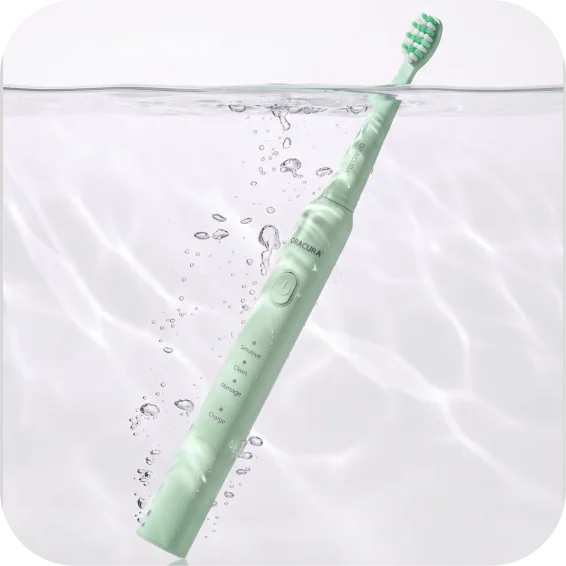
From the vibrant dental clinics in Mumbai to the modern households in Bengaluru, advanced oral care devices are transforming how Indians maintain their smiles. Water flossers effectively remove debris from hard-to-reach areas, while electric toothbrushes deliver consistent, thorough cleaning. Increasingly, consumers seek products that combine efficacy with safety and sustainability standards largely shaped by rigorous European regulations influencing global oral health technology.
Far from mere red tape, these European frameworks act as robust drivers of progress, compelling manufacturers globally to prioritize safety, performance, and environmental responsibility. For India's rapidly evolving market in key cities such as Delhi, Chennai, and Kolkata, where preventive dental care is gaining traction this translates to higher-quality options at competitive prices, alongside new hurdles and prospects for domestic brands.
Despite daily brushing, plaque and gum issues silently threaten your smile and confidence. Oracura's dentist-trusted water flossers and sonic toothbrushes offer gentle, deep cleaning crafted for Indian homes. Paired with natural toothpaste, they ensure lasting oral health. Join 200,000+ happy users and transform your dental care for healthier teeth and gums. Shop Now!
The Foundation: Europe's Stringent Regulatory Framework
At the core of this transformation lies the European Union's emphasis on product safety and conformity. Manufacturers bear primary responsibility for conducting conformity assessments, preparing technical documentation, issuing declarations of conformity, and applying the CE marking a symbol indicating compliance with high safety, health, and environmental standards across the European Economic Area (EEA).
Importers and distributors play crucial supporting roles, verifying that only compliant products enter the market. This system ensures uniform protection for consumers while enabling free trade within the EEA.
For medical devices, the process is governed by the Medical Devices Regulation (EU) 2017/745. Devices can only bear the CE mark after passing assessments that often include audits of quality systems and reviews of technical data on safety and performance. Accredited notified bodies, designated by EU member states, oversee these evaluations. In cases involving high-risk devices, notified bodies consult expert panels supported by the European Medicines Agency for additional scientific input.
Notably, certain products positioned for aesthetic or non-medical uses but sharing similar functioning and risk profiles with medical devices fall under specific regulatory oversight. This ensures consistent safety benchmarks, including design features to prevent injuries and mechanisms for risk management and incident reporting.
Market Growth Fueled by Regulation and Awareness
These exacting standards are propelling significant expansion in Europe's oral care sector. According to recent industry analysis, the market is expected to grow from USD 14.78 billion in 2025 to USD 19.29 billion by 2030, achieving a compound annual growth rate (CAGR) of 5.47%. Driving factors include rising emphasis on preventive dental care, innovations in product formulations, increasing dental disorders, and a broader recognition of oral health's role in overall well-being.
This regulatory push encourages advancements like energy-efficient electric toothbrushes and water-conserving flossers, aligning with growing sustainability demands. In turn, these innovations ripple outward, elevating global benchmarks.
Adoption and Impact in the Indian Context
In India's urban centers Mumbai, Delhi, Bengaluru, Chennai, and Kolkata professionals and families are embracing these technologies. Brands such as Oracura, drawing on ten years of specialized expertise in advanced oral care, offer a broad portfolio of international-quality devices, including water flossers and sonic toothbrushes. These products deliver proven effectiveness at accessible prices, supported by reliable after-sales service a hallmark of the brand's genuine and honest approach.
Oracura effectively serves both direct consumers through engaging social media presence on Instagram and Twitter, and professionals via partnerships with clinics like Aastha Dental Clinic. Orthodontists and dentists often endorse these tools for patients managing braces or gum concerns, addressing prevalent objections such as fears that electric vibrations might harm enamel or lack of familiarity with water flossing.
By highlighting gentle yet powerful performance, backed by quality aligned with global standards, these recommendations bridge regulatory excellence with practical Indian needs.
Navigating Challenges for Indian Manufacturers
While beneficial, aligning with European regulations presents tangible obstacles for Indian companies. Achieving compliance requires substantial investments in upgraded manufacturing, comprehensive testing, and detailed documentation. These costs can elevate product prices in a price-sensitive market where many consumers remain content with traditional manual brushing.
Entering the European market demands navigating complex processes involving notified bodies and, for higher-risk classifications, expert panel consultations. Building this expertise takes time and resources. Domestically, ongoing education is essential to overcome unfamiliarity with categories like water flossing, ensuring consumers recognize the superior benefits.
Seizing Opportunities for Competitive Advantage
Despite these hurdles, European regulations offer substantial opportunities. Indian brands that achieve or draw inspiration from CE-level standards gain credibility, appealing to discerning buyers in tier-1 cities who prioritize safety and reliability.
Oracura exemplifies this by combining international-grade quality with value-for-money positioning and exceptional support, fostering deep consumer trust. As regulations evolve to address emerging risks including better safeguards against occupational injuries and streamlined incident reporting global safety rises, creating export potential for compliant Indian products.
Innovation flourishes in this environment: expect advancements in battery longevity, resource-efficient designs, and safer materials. For consumers, regulation-backed devices build confidence amid a cultural shift viewing oral health as essential rather than merely cosmetic. Clear communication through digital channels helps convert skeptics, highlighting how these tools outperform manual methods without compromise.
Toward a Brighter, Regulated Future
European regulations continue to adapt, incorporating new insights on sustainability and risk mitigation as evidenced by recent updates to scientific advice procedures for high-risk devices. This dynamic evolution promises accelerated progress in oral care technology, from intelligent features to eco-conscious designs.
For forward-thinking Indian enterprises like Oracura, the outlook is promising. Strategic focus on regulatory monitoring, compliance investment, and core strengths such as extensive domain experience and a wide, effective product range positions them to lead domestically and beyond.
Across urban India, from Mumbai's dynamic pace to Kolkata's rich heritage, residents stand to benefit from smarter, safer oral care solutions. In this era where stringent rules and bold innovation intersect, the result is not just healthier smiles but a more trustworthy, sustainable global industry.
Frequently Asked Questions
What role does the CE mark play in oral care product safety?
The CE mark is a symbol of conformity with European Union regulations, ensuring that oral care products meet strict safety, health, and environmental standards. For products like electric toothbrushes and water flossers, the CE mark signifies that these devices have undergone thorough safety assessments, providing consumers with confidence in their quality and effectiveness.
How do European regulations impact the global oral care industry?
European regulations, particularly those focusing on product safety and environmental standards, significantly influence the global oral care sector. By ensuring high safety, performance, and sustainability benchmarks, these regulations drive innovation in products like water flossers and electric toothbrushes, pushing manufacturers worldwide to meet rigorous compliance standards, such as the CE mark.
How is the oral care market evolving in India due to European regulations?
In India, cities like Mumbai, Delhi, and Bengaluru are increasingly adopting advanced oral care technologies influenced by European standards. As consumers demand higher-quality, safer products, Indian brands, such as Oracura, are aligning with global benchmarks, offering cost-effective, regulatory-compliant devices like water flossers and sonic toothbrushes, which are gaining popularity due to their proven effectiveness and safety.
Disclaimer: The above helpful resources content contains personal opinions and experiences. The information provided is for general knowledge and does not constitute professional advice.
You may also be interested in: Role of Sonic Technology in Brushing Discussed
Despite daily brushing, plaque and gum issues silently threaten your smile and confidence. Oracura's dentist-trusted water flossers and sonic toothbrushes offer gentle, deep cleaning crafted for Indian homes. Paired with natural toothpaste, they ensure lasting oral health. Join 200,000+ happy users and transform your dental care for healthier teeth and gums. Shop Now!
Powered by flareAI.co