Quick Listen:
In the vibrant chaos of Mumbai's streets, where time is a luxury and daily routines are a whirlwind, oral health often takes a backseat. Yet, as dental clinics across India's metropolitan hubs report a surge in plaque-related issues like gum disease and tooth decay, a transformative shift is unfolding. Electric toothbrushes, once a niche product for the affluent, are becoming a cornerstone of oral care for urban Indians. With their promise of superior plaque reduction, these devices are reshaping how cities like Delhi, Bengaluru, Chennai, and Kolkata approach dental hygiene. But can they truly deliver, and what does their rise mean for India's oral health landscape?
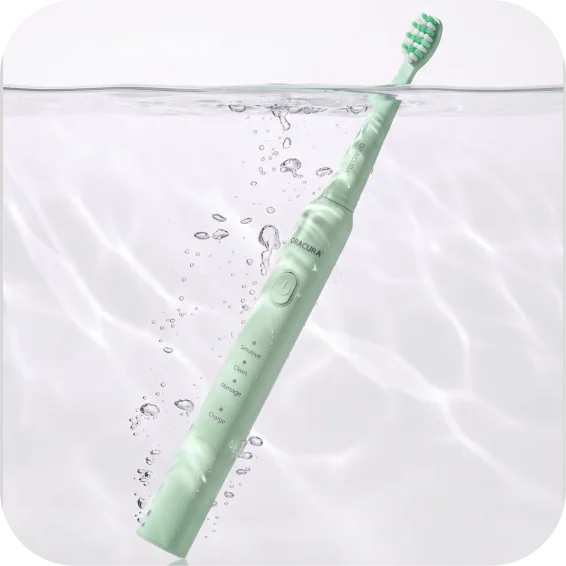
Despite daily brushing, plaque and gum issues silently threaten your smile and confidence. Oracura's dentist-trusted water flossers and sonic toothbrushes offer gentle, deep cleaning crafted for Indian homes. Paired with natural toothpaste, they ensure lasting oral health. Join 200,000+ happy users and transform your dental care for healthier teeth and gums. Shop Now!
Revolutionizing Oral Care in India
India grapples with a complex oral health challenge. Plaque, that stubborn bacterial film, is a leading cause of gingivitis and cavities, particularly in urban centers where hurried lifestyles often lead to inadequate brushing. Dental experts in Bengaluru and Delhi emphasize that consistent plaque control is critical to preventing long-term damage. Electric toothbrushes have emerged as a powerful tool in this fight. A study from Springer explored the effectiveness of the Oral-B iO™ toothbrush, which combines oscillating-rotating technology with microvibrations, against a standard oscillating-rotating model. After 28 days, the iO™ reduced plaque to 25.09%, significantly outperforming the traditional model's 30.60% (p=0.029). For Indian consumers, this evidence underscores the potential of electric toothbrushes to enhance daily oral care.
The numbers tell a broader story. According to Grand View Research, the global electric toothbrush market, valued at USD 4.36 billion in 2024, is projected to reach USD 6.82 billion by 2030, with a CAGR of 7.8%. India's market is a standout, expected to grow at a robust 11.2% CAGR over the same period, driven by heightened awareness of dental health. In cities like Mumbai and Chennai, where time-pressed professionals often skimp on brushing, features like timers and pressure sensors in electric toothbrushes ensure a more effective clean, addressing plaque buildup head-on.
This shift isn't just about technology it's about changing habits. As urban Indians prioritize wellness, electric toothbrushes are gaining ground. The Fortune Business Insights report highlights that the global market, worth USD 3.40 billion in 2024, is fueled by a global focus on oral hygiene, with electric toothbrushes reducing tooth decay and bolstering gum health. In India, this trend is particularly pronounced in metro cities, where dental clinics report growing interest in these devices.
A Surge in Urban Adoption
Step into a pharmacy in Delhi or a dental clinic in Kolkata, and you'll find electric toothbrushes prominently displayed, their sleek designs catching the eye of health-conscious consumers. The Precedence Research report notes that the global electric toothbrush market, valued at USD 3.45 billion in 2024, is expected to reach USD 5.36 billion by 2034, with Asia-Pacific, including India, projected to grow at a CAGR of 10%. Urban India is at the forefront of this trend. Dentists in Bengaluru observe a marked increase in patients, particularly young professionals, inquiring about electric toothbrushes. “The results are visible cleaner teeth, healthier gums,” says a Chennai-based dentist, echoing sentiments from clinics across the country.
Technology is a key driver. Modern electric toothbrushes boast features like multi-mode settings for sensitive teeth or whitening, and apps that monitor brushing habits in real time. Indian brands like Oracura are adapting to local needs, designing models that withstand the hard water common in cities like Chennai. These innovations resonate with tech-savvy consumers in Bengaluru and Mumbai, who appreciate the precision and feedback these devices offer. The Market Research Future report projects the global market to grow from USD 3,657 million in 2021 to USD 7,519.6 million by 2030, with a CAGR of 8.24%. In India, adults are the primary users, with an expected CAGR of 8.60%, reflecting the urban demographic's embrace of these tools.
Real-World Evidence from India's Cities
In Delhi, a 32-year-old software engineer recounts his switch to an electric toothbrush: “My dentist flagged plaque buildup during a checkup. After three months with an electric model, my teeth feel smoother, and my gums are healthier.” Similar experiences are shared in Kolkata, where dental chains report patients noticing reduced plaque scores after adopting electric toothbrushes. While local studies from Indian dental colleges are scarce, global research aligns with these anecdotes. The Springer study, for instance, confirms that electric toothbrushes outperform traditional models in plaque reduction, a finding that resonates with patients in Mumbai's dental clinics.
Urban dental practices are capitalizing on this trend. In Bengaluru, clinics are partnering with brands to host workshops, demonstrating how electric toothbrushes can elevate oral care routines. Chennai's dental community is also proactive, with professionals advocating for electric models to combat the high incidence of plaque-related issues. These efforts are bolstered by India's growing middle class, particularly in cities like Pune and Hyderabad, where disposable incomes are fueling investment in health-focused products.
Barriers to Widespread Adoption
Despite their promise, electric toothbrushes face challenges in India. Cost is a significant hurdle. While urban centers like Mumbai and Delhi have higher disposable incomes, the initial price of electric toothbrushes remains prohibitive for many. In tier-2 cities like Jaipur or Lucknow, affordability is a bigger concern. Replacement brush heads, which need changing every three months, are another sticking point. A Kolkata dentist notes, “Patients love the performance, but some hesitate due to ongoing maintenance costs.”
Access is equally problematic. While pharmacies in Chennai and Bengaluru are well-stocked, rural areas and smaller cities often lack reliable supplies of brush heads or compatible chargers. Awareness is another gap. In tier-3 cities, traditional manual toothbrushes dominate due to limited exposure to electric alternatives. Even in urban areas, some consumers remain skeptical, viewing electric toothbrushes as an unnecessary luxury rather than a health essential.
Opportunities for Expansion
India's evolving economic landscape offers immense potential. With a burgeoning middle class in cities like Ahmedabad and Hyderabad, more consumers are willing to invest in oral care. The Grand View Research report highlights the dominance of rotational electric toothbrushes, which hold a 58.1% market share globally and are particularly popular in India for their efficacy. Local manufacturers have an opportunity to innovate, developing cost-effective models or addressing practical issues like durability in humid climates.
Sustainability is another frontier. In Bengaluru and Mumbai, eco-conscious consumers are pushing for greener options, prompting brands to explore biodegradable brush heads or recycling initiatives. As India's urban population expands, the electric toothbrush market is poised for significant growth, particularly if companies tailor their offerings to local needs, such as affordability and compatibility with regional water conditions.
A Healthier Future for India's Smiles
Dental professionals in Mumbai and Delhi are unequivocal: electric toothbrushes are more than a passing trend. “They're a game-changer for oral health,” says a Delhi periodontist, citing their ability to reduce plaque more effectively than manual brushes, as evidenced by the Springer study. For consumers, the switch offers tangible benefits cleaner teeth, healthier gums, and a reduced risk of dental issues. Yet, experts stress the importance of regular dental checkups to complement these tools.
As electric toothbrushes gain momentum across India's urban centers, they're redefining oral care. From the tech hubs of Bengaluru to the bustling markets of Kolkata, these devices are empowering consumers to take control of their dental health. With a market ripe for innovation and growth, electric toothbrushes are not just transforming smiles they're paving the way for a healthier India, one brushstroke at a time.
Frequently Asked Questions
How effective are electric toothbrushes at reducing plaque compared to manual toothbrushes?
Electric toothbrushes are significantly more effective at reducing plaque than manual toothbrushes. Research shows that advanced electric models with oscillating-rotating technology and microvibrations can reduce plaque to 25.09% after 28 days, compared to 30.60% with standard oscillating-rotating models. These devices are particularly beneficial for urban populations where time-pressed lifestyles often lead to inadequate brushing, with features like timers and pressure sensors ensuring a more thorough clean.
What are the main barriers to adopting electric toothbrushes in India?
The primary barriers include cost, maintenance expenses, and accessibility. While urban centers like Mumbai and Delhi have embraced electric toothbrushes, the initial purchase price remains prohibitive for many consumers, especially in tier-2 and tier-3 cities. Additionally, replacement brush heads need changing every three months, adding to ongoing costs. Limited availability of replacement parts and compatible chargers in rural areas and smaller cities further restricts widespread adoption across India.
Why is India's electric toothbrush market growing so rapidly?
India's electric toothbrush market is experiencing robust growth at 11.2% CAGR due to heightened dental health awareness and a burgeoning middle class with increased disposable income. Urban professionals in cities like Bengaluru, Mumbai, and Delhi are prioritizing wellness and investing in technology-driven oral care solutions. The market is also benefiting from innovative features like multi-mode settings, real-time app monitoring, and designs adapted for local conditions such as hard water, making electric toothbrushes more appealing to tech-savvy Indian consumers.
Disclaimer: The above helpful resources content contains personal opinions and experiences. The information provided is for general knowledge and does not constitute professional advice.
You may also be interested in: Why Do Electric Toothbrushes Work Best with Natural Toothpastes?
Despite daily brushing, plaque and gum issues silently threaten your smile and confidence. Oracura's dentist-trusted water flossers and sonic toothbrushes offer gentle, deep cleaning crafted for Indian homes. Paired with natural toothpaste, they ensure lasting oral health. Join 200,000+ happy users and transform your dental care for healthier teeth and gums. Shop Now!
Powered by flareAI.co