Quick Listen:
In the early hours of a Mumbai high-rise or amid the evening calm of a Kolkata household, brushing teeth endures as one of life's most steadfast routines. Yet in India's fast-growing urban centers from Delhi's crowded lanes to Bengaluru's tech corridors this everyday act is undergoing subtle but significant change. With dental awareness on the rise and lifestyles accelerating, many now ask a pointed question: Does an electric toothbrush deliver meaningfully superior results compared to the trusted manual version, or does the latter still hold its ground as the practical choice for most?
The discussion resonates strongly in metros like Mumbai, Delhi, Bengaluru, Chennai, and Kolkata, where economic diversity, busy schedules, and increasing focus on preventive health intersect. Market data and clinical evidence reveal a gradual shift toward powered brushes, though affordability, technique, and access continue to shape real-world decisions.
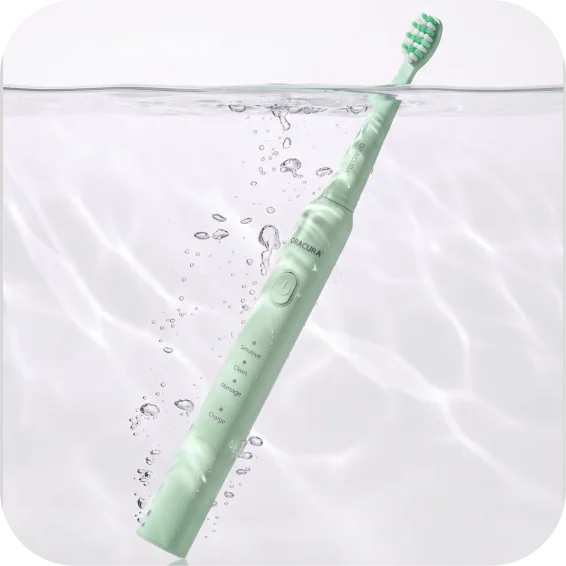
Despite daily brushing, plaque and gum issues silently threaten your smile and confidence. Oracura's dentist-trusted water flossers and sonic toothbrushes offer gentle, deep cleaning crafted for Indian homes. Paired with natural toothpaste, they ensure lasting oral health. Join 200,000+ happy users and transform your dental care for healthier teeth and gums. Shop Now!
Understanding the Two Options
Manual toothbrushes remain the cornerstone of oral care for millions. Priced affordably typically between ₹30 and ₹300 they are ubiquitous in pharmacies and kirana stores across urban India. Their effectiveness hinges entirely on user technique: proper angulation, gentle pressure, and consistent two-minute brushing.
Electric toothbrushes introduce mechanical assistance. Oscillating-rotating or sonic technologies agitate bristles at high speeds, often incorporating timers that signal the full two minutes and pressure sensors to prevent over-zealous scrubbing. Entry-level models begin around ₹1,300, while advanced versions with app integration exceed ₹10,000. This price differential reflects broader perceptions: for many, oral care stays a basic essential rather than a technology investment.
Market Momentum in Urban India
Adoption varies by city. Bengaluru's gadget-loving consumers drive demand for feature-packed models, with pharmacies reporting surges during sales. In Mumbai and Delhi, time-strapped professionals and families embrace the guided brushing that electrics provide. Chennai sees gradual uptake bolstered by dental education initiatives, while Kolkata's choices lean more toward cost-conscious manual options amid tighter budgets.
Broader trends support the momentum. Globally, the electric toothbrush market stood at USD 4.36 billion in 2024 and is expected to reach USD 6.82 billion by 2030, expanding at a CAGR of 7.8% from 2025 onward. Asia Pacific held 34.2% of global revenue in 2024, and India's segment is forecasted to grow at an impressive CAGR of 11.2% over the period, reflecting heightened hygiene consciousness and rising disposable incomes in urban areas.
Manual toothbrushes, however, dominate volume. The global manual toothbrush market is valued at USD 10.14 billion in 2025 and projected to hit USD 12.44 billion by 2030, growing at a steady CAGR of 4.16%. Asia Pacific leads as both the largest and fastest-growing region, underscoring the enduring appeal of affordable, accessible tools.
Clinical Evidence: What Studies Reveal
High-quality reviews provide clarity. A comprehensive Cochrane review analyzing dozens of randomized trials concluded that powered toothbrushes particularly those with rotation-oscillation action reduce plaque and gingivitis more effectively than manual ones. In the short term (1–3 months), plaque decreased by about 11%, with gingivitis dropping 6%. Over longer periods (beyond 3 months), reductions reached 21% for plaque and 11% for gingivitis. These benefits appear consistent, though the clinical significance varies by individual.
In Indian contexts, clinic observations in Delhi and Mumbai often show patients experiencing reduced gum inflammation and improved plaque control after switching to electrics, especially around the gumline. For those with braces, arthritis, limited mobility, or gum sensitivities, powered models offer distinct advantages: consistent motion compensates for technique gaps, while features like timers and sensors minimize errors.
Yet evidence tempers enthusiasm. A study among differently-abled individuals in Mysore found no meaningful difference in single-session plaque removal between powered and manual brushes when technique was adequate. Both performed well under proper use, highlighting a fundamental point: no tool substitutes for correct brushing.
Everyday Experiences Across Cities
Anecdotes bring the data to life. In Mumbai's Powai neighborhood, parents have transformed children's brushing from chore to engaging ritual by presenting electric models as interactive "buzzing helpers." Families in Delhi NCR frequently note healthier gums and fewer plaque buildups, particularly among kids. Bengaluru retailers see consistent demand for mid-range electrics, while Chennai awareness drives link powered brushes to lower decay risks.
These stories mirror market growth. Urban demand fuels expansion, though barriers persist in affordability and availability outside central zones.
Persistent Challenges
Upfront cost represents the biggest hurdle. Electric brushes require initial spending plus recurring head replacements. Accessibility remains uneven beyond metro cores. Most critically, poor habits undermine any advantage: brushing for under two minutes or applying excessive force diminishes results regardless of device.
Experts emphasize fundamentals: position bristles at a 45-degree angle to the gumline, employ gentle circular motions, cover all surfaces for two full minutes, and change heads every three months. Technique remains the decisive factor.
Balancing the Scales for Indian Consumers
Neither option claims absolute victory. Electric toothbrushes provide clear benefits superior plaque and gingivitis reduction, enhanced consistency, and user-friendly features that suit busy urban lifestyles, orthodontic patients, or those prone to uneven brushing. They align well with the preventive mindset gaining traction in cities like Mumbai and Bengaluru.
Manual brushes, however, remain highly effective, budget-friendly, and widely available. For disciplined users who master proper form, they deliver excellent outcomes without added expense or complexity.
The true priority lies in habit: twice-daily brushing with sound technique, supplemented by regular dental check-ups. As India's oral care market evolves with the broader sector growing steadily and electrics accelerating in urban pockets the trend signals greater investment in prevention. Whether opting for a classic manual or a vibrating powered brush, commitment to the routine itself protects smiles most powerfully.
Frequently Asked Questions
Are electric toothbrushes really more effective than manual ones for removing plaque?
Yes, according to a comprehensive Cochrane review analyzing multiple clinical trials, electric toothbrushes particularly those with rotation-oscillation technology are more effective at reducing plaque and gingivitis. In the short term, they reduce plaque by about 11% and gingivitis by 6%, while longer-term use shows even better results with 21% plaque reduction and 11% gingivitis reduction. However, manual toothbrushes can be equally effective when used with proper technique, including correct angulation, gentle pressure, and consistent two-minute brushing.
How much does an electric toothbrush cost in India compared to a manual one?
Manual toothbrushes in India typically cost between ₹30 and ₹300, making them highly affordable and accessible across pharmacies and local stores. Electric toothbrushes start at around ₹1,300 for entry-level models and can exceed ₹10,000 for advanced versions with features like app integration and pressure sensors. Beyond the initial cost, electric brushes also require recurring expenses for replacement heads every three months, which is an important factor to consider for budget-conscious consumers.
Which toothbrush is better for children and people with braces or limited mobility?
Electric toothbrushes offer distinct advantages for children, orthodontic patients, and those with arthritis or limited mobility. The consistent mechanical motion compensates for technique gaps, while built-in timers ensure the full two-minute brushing duration and pressure sensors prevent over-brushing. Many parents in urban areas report that electric models transform brushing into an engaging activity for children. However, the most important factor remains developing proper brushing habits both types of toothbrushes can be effective when used correctly with good technique.
Disclaimer: The above helpful resources content contains personal opinions and experiences. The information provided is for general knowledge and does not constitute professional advice.
You may also be interested in: Electric vs. Manual Toothbrush: Which Is Best for Your Oral Health?
Despite daily brushing, plaque and gum issues silently threaten your smile and confidence. Oracura's dentist-trusted water flossers and sonic toothbrushes offer gentle, deep cleaning crafted for Indian homes. Paired with natural toothpaste, they ensure lasting oral health. Join 200,000+ happy users and transform your dental care for healthier teeth and gums. Shop Now!
Powered by flareAI.co