“Your teeth don’t just belong to your body. They belong to your habits.”
We often talk about age as a number tied to birthdays and candles. But there’s another kind of age we rarely think about, the age of our teeth. And unlike the calendar, this age doesn’t move at the same pace for everyone. Two people can be 35 years old and have teeth that look, feel, and function decades apart. The difference isn’t luck. It’s daily behaviour.
Your teeth age quietly. Every sip of coffee, every rushed brush, every skipped night routine leaves a mark. Not immediately, not dramatically, but steadily.
Teeth age faster than we realise
Enamel doesn’t regenerate. Gums don’t bounce back easily. Once damage starts, it compounds. Plaque that isn’t removed today hardens into tartar tomorrow. Minor gum irritation turns into sensitivity, then inflammation, then something that finally demands attention.
The challenge is that oral problems are slow and silent. There’s no instant alarm. By the time pain shows up, your teeth have already aged more than they should have.
The myth of “I brush, so I’m fine”
Most of us were taught that brushing twice a day is enough. And while brushing is essential, how you brush matters just as much as if you brush.
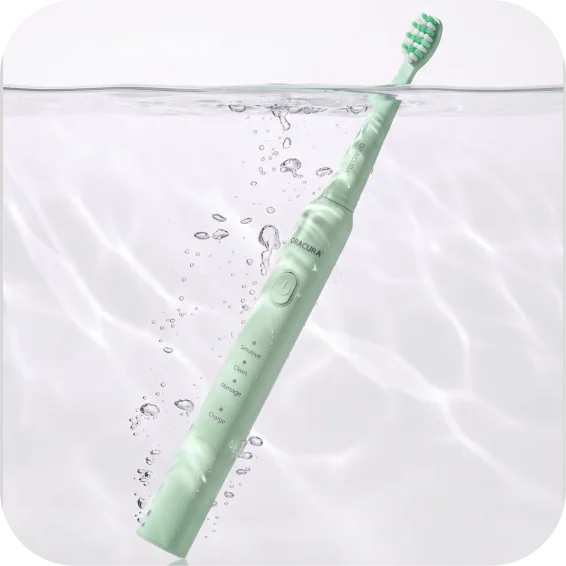
Manual brushing often relies on pressure and guesswork. Many people brush too hard, thinking effort equals effectiveness. Over time, that wears down enamel and irritates gums, classic signs of prematurely aged teeth. This is where an oscillating electric toothbrush quietly changes the equation. It standardises movement, controls pressure, and cleans consistently, reducing wear while improving results.
It’s not about upgrading for the sake of technology. It’s about reducing damage while increasing care.
What brushing misses, ageing remembers
Even the most diligent brush can’t fully reach between teeth or along the gumline. These hidden spaces are where ageing begins unnoticed. Food particles sit. Bacteria grow. Inflammation builds slowly.
This is why water flossing has become part of modern oral care conversations. A water flosser supports interdental cleaning in a way that’s gentle, thorough, and sustainable. It doesn’t punish gums for consistency, it rewards them.
Daily cleaning between teeth isn’t an extra step. It’s an anti-ageing habit for your mouth.
Toothpaste isn’t just flavour, it’s philosophy
We’ve been conditioned to equate strong mint with cleanliness. But intensity doesn’t always mean care. Over time, harsh formulations can irritate gums and dry oral tissues.
Choosing gentler formulations, including nha toothpaste, reflects a shift from short-term sensation to long-term health. Teeth that age well aren’t constantly shocked into “feeling clean.” They’re supported, day after day, without aggression.
Ageing starts earlier for kids too
Tooth ageing doesn’t wait until adulthood. Habits formed early shape oral health for life. A rushed routine, poor technique, or lack of interest can set the tone for decades.
This is why the right kids toothbrush matters. Not just smaller in size, but thoughtfully designed to clean effectively without overwhelming young gums or relying on force. When kids learn that oral care is gentle, effective, and even enjoyable, they carry that relationship forward.
Good habits don’t need to be forced. They need to be designed.
Your mouth keeps score
Teeth don’t reset overnight. They reflect years of small decisions. The good news? Ageing can slow down. Sometimes dramatically.
When daily habits shift from hurried to mindful, from aggressive to gentle, from reactive to preventive teeth respond. Healthier gums. Stronger enamel. Fewer surprises at the dentist.
Your teeth have an age of their own.
And every day, your routine decides whether they grow older… or wiser.