Most of us won’t think twice before wiping our phone screen. It’s been on café tables, gym benches, and god-knows-where else. But when was the last time you stopped and thought about your toothbrush?
It sounds uncomfortable, but studies and dental experts agree on one thing: your toothbrush can carry more bacteria than your phone. And unlike your phone, this is something you put directly into your mouth, twice a day.
So how does something meant to clean your teeth end up becoming a breeding ground for germs?
The Hidden Life of Your Toothbrush
Your bathroom might look clean, but it’s actually a high-moisture environment, perfect for bacterial growth. Every time you flush, microscopic particles travel through the air. If your toothbrush is stored uncovered near the toilet, it’s exposed. Add to that leftover toothpaste, saliva, and moisture trapped between bristles, and you’ve got a problem most people never notice.
Phones are dirty, yes but we wipe them, clean them, and sometimes even sanitise them. Toothbrushes? We rinse them and assume that’s enough. It usually isn’t.
Manual brushes, especially, tend to stay damp longer and wear out unevenly. Frayed bristles not only clean poorly but also trap more bacteria over time.
Why Your Brushing Tool Matters
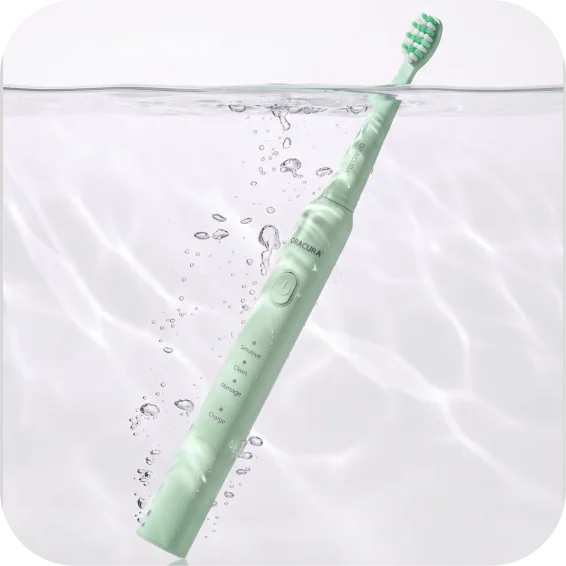
This is where modern oral care habits make a real difference. An oscillating electric toothbrush doesn’t just improve plaque removal, it also dries faster and maintains better bristle hygiene compared to worn-out manual brushes. Many people switch for better cleaning, but hygiene is an underrated benefit.
For children, the issue is even more important. Kids often rinse their brushes half-heartedly or leave them in random places. A kids electric toothbrush, designed with softer bristles and easier handling, encourages better habits while reducing the chances of bacteria build-up due to prolonged use of damaged brushes.
And remember, no matter how good your brush is, brush heads should be replaced every 3 months. Not when they look bad. Before.
Cleaning Teeth Is More Than Just Brushing
Here’s another truth we don’t talk about enough: brushing alone doesn’t clean everything. Food particles and plaque hide between teeth and along the gumline, areas your brush simply can’t reach.
This is why dentists recommend additional steps like water flossing. A water flosser uses controlled water pressure to flush out debris from places that bristles miss, making daily oral hygiene more complete and far more hygienic.
Pairing effective brushing with water flossing reduces bacterial load in the mouth, something that matters far more than people realise.
What About Toothpaste?
Even toothpaste plays a role in oral hygiene beyond freshness. Many people are now switching to gentler formulations that protect enamel while supporting daily care. The best nHA toothpaste, for example, works to strengthen enamel and support remineralisation without harsh abrasives, ideal for people dealing with sensitivity or enamel wear.
A cleaner mouth starts with smarter choices, not aggressive routines.
Small Habits, Big Impact
If you take just a minute to think about it, oral care isn’t complicated, it’s neglected. Cover your toothbrush. Let it dry upright. Replace brush heads on time. Upgrade tools when needed. And stop assuming that “clean-looking” means clean.
Your toothbrush might not look dirty, but bacteria don’t need permission to grow.
And the next time you sanitise your phone, maybe spare a thought for the one thing that goes into your mouth every single day.
Your smile deserves at least that much care.